

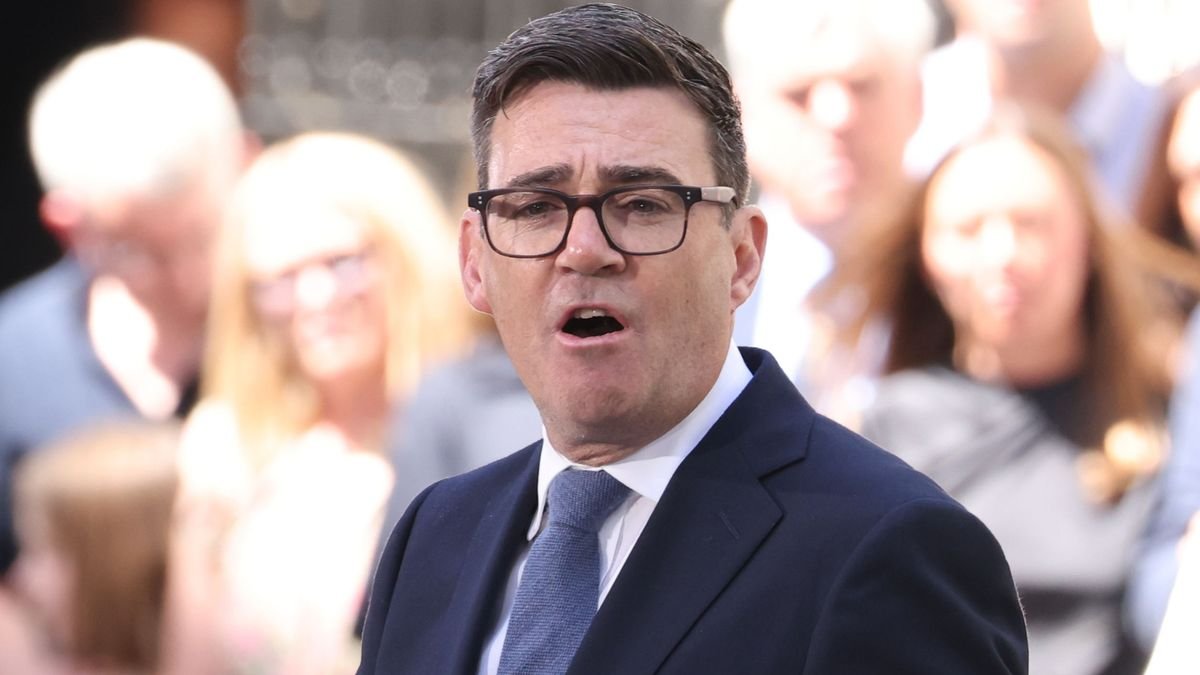
Andy Burnham is set to lead his inaugural Cabinet meeting today following a significant reshuffle that saw several key allies of Keir Starmer reassigned to the backbenches. The newly appointed Chancellor, John Healey, is making a swift return to the top decision-making table after his recent resignation as Defence Secretary. He openly criticized his predecessors, Rachel Reeves and Starmer, for what he perceived as a lack of financial support for national defense. He now heads the Treasury, with Wes Streeting, who also resigned in protest against Starmer’s leadership, taking over Healey’s former role.
Ed Miliband will take on the role of Foreign Secretary for the first time, while Shabana Mahmood retains her position as Home Secretary, following comprehensive reforms to the asylum system just a week ago. Yvette Cooper, a veteran in leading both the Home Office and Foreign Office, has been reassigned as Health Secretary in the latest round of changes.
Noteworthy Cabinet members returning to their positions include Housing Secretary Angela Rayner, Chancellor of the Duchy of Lancaster Louise Haigh, and Education Secretary Lucy Powell. The new lineup also features Andy Burnham’s close associates Anneliese Midgley and Energy Security Secretary Miatta Fahnbulleh.
In his first address after assuming office, the Prime Minister vowed to introduce the most significant changes the UK has witnessed in four decades, emphasizing a renewed sense of hope and belief in the nation. Notable continuations in their respective roles are Transport Secretary Heidi Alexander, Culture Secretary Lisa Nandy, and Pat McFadden, who remains at the helm of the Department for Work and Pensions (DWP).
This Cabinet meeting marks a historic moment as it excludes prominent figures like Rachel Reeves, David Lammy, Peter Kyle, and Liz Kendall, who were relieved of their positions by Burnham shortly after taking office. Additionally, Starmer allies Steve Reed and Lord Richard Hermer were also removed from their posts.
Addressing key issues, Burnham emphasized his commitment to eradicating rough sleeping, highlighting the importance of core values and standards in governance. Furthermore, the government announced a substantial £850 million tax cut on energy bills to alleviate the burden of the cost-of-living crisis. Effective October 1, households will benefit from a VAT exemption on energy bills, resulting in an average saving of around £45.
The tax relief initiative will be partly funded by discontinuing Starmer’s digital ID project, which was projected to cost approximately £600 million annually over a three-year period. The Prime Minister reiterated his intention to provide economic relief by reducing taxes on energy bills and uplifting households amidst challenging times.
John Healey echoed the sentiment, acknowledging the long-standing struggles with the cost of living and emphasizing the positive impact of the energy tax cut on families. He highlighted the financial relief this measure offers and its contribution to curbing inflation while supporting households across the country.

