

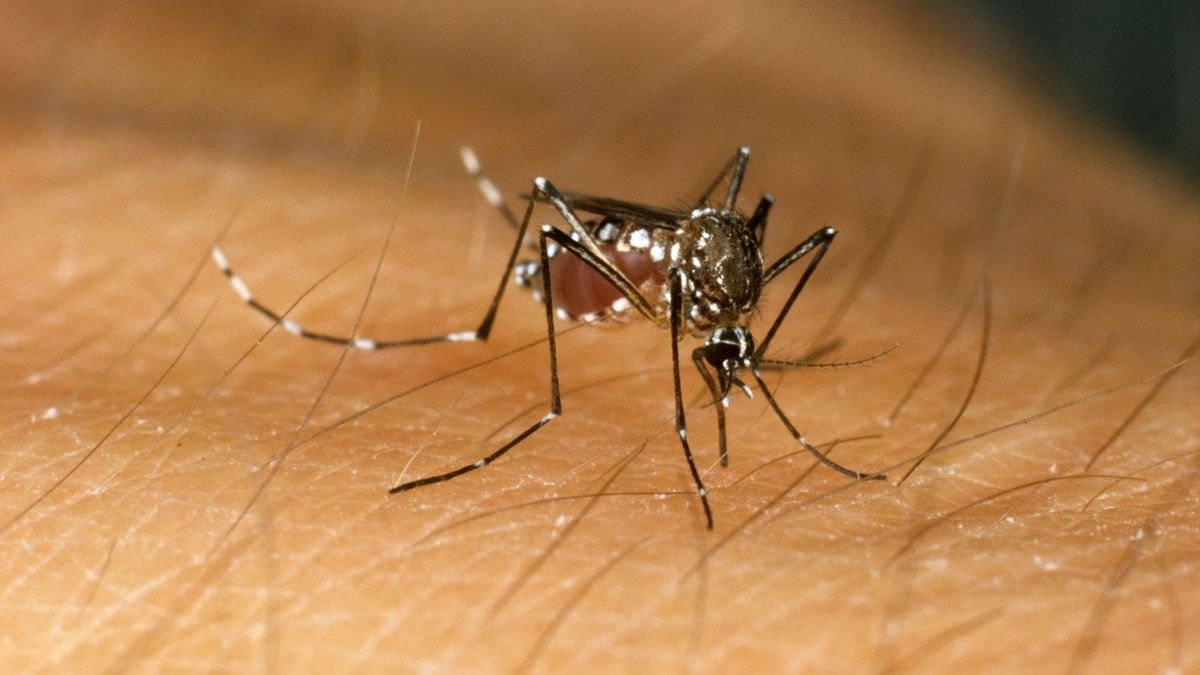
An expert has cautioned that the ongoing heatwave has created ideal conditions for a rise in mosquitoes.
These blood-sucking insects are already a common annoyance during summer, both abroad and in various parts of the UK where over 30 native species exist. With hotter weather becoming more frequent, experts suggest that mosquitoes could become more active due to accelerated life cycles caused by higher temperatures.
The concern arises from the potential establishment of mosquito species capable of carrying diseases such as dengue fever and Zika in the UK as the climate continues to warm.
Dr. Mojca Kristan, an assistant professor specializing in medical entomology at the London School of Hygiene and Tropical Medicine (LSHTM), emphasized that the current weather conditions in the UK are favorable for mosquitoes. These insects prefer warmth and standing water for laying their eggs.
While invasive mosquito species that can transmit diseases like dengue fever, chikungunya, and Zika are not yet established in the UK, some of these diseases are already circulating in parts of Europe, particularly around the Mediterranean. Additionally, eggs from the Asian tiger mosquito (Aedes albopictus) have been discovered in the UK.
Modeling studies suggest that by the 2060s, the climate in London and its surrounding areas may support the endemic transmission of dengue fever.
Dr. Kristan emphasized that although the risk of serious illness from mosquito bites in the UK is currently low, vigilance is crucial due to the potential threat of disease-carrying mosquito species as climate change makes Britain more favorable for mosquito survival.
Warm weather can accelerate the hatching of mosquito eggs, and female mosquitoes require blood to aid in egg development.
Dengue fever can present flu-like symptoms, chikungunya can cause fever and severe joint pain, and Zika can pose risks during pregnancy, potentially leading to miscarriage, stillbirth, and birth defects.
To prevent mosquito bites, Dr. Kristan recommended using insect repellent, covering skin with long sleeves, and wearing socks in the evening as mosquitoes tend to bite around the ankles.

