
NOTE: The first part of a two-part series examines the push for stricter regulations on prescribing safer-supply drugs in Ontario. The upcoming second part will delve into the concerns expressed by medical professionals.
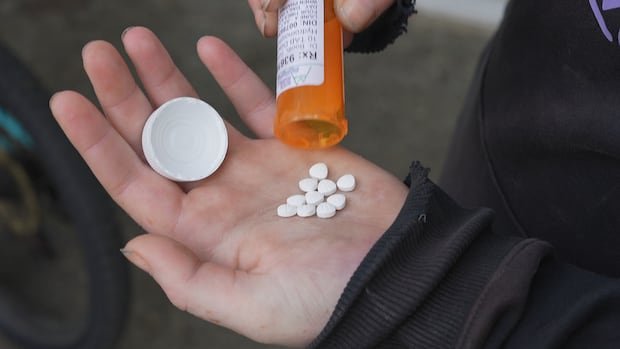
Law enforcement in northern Ontario has noted a rise in the presence of prescription opioids, intended to assist individuals battling addiction, in drug-related investigations. Detective Brad Reaume, leading the street crime unit at the North Bay Police Service, disclosed that substantial amounts of prescription opioids started appearing during drug probes in 2023 and 2024.
Reaume indicated that the drugs were likely sourced from local pharmacies within North Bay rather than from external origins. In a recent incident during the past summer, authorities confiscated a stash that included 187 oxycodone pills, 90 other opiate pills, and multiple bottles of methadone.
During such investigations, Reaume highlighted that diverted medications often lack proper prescription labels or show signs of tampering, such as scratched-off or covered names, indicating potential diversion from their intended recipients.
Emergence of Safer-Supply Drugs
Among the drugs intercepted by law enforcement were hydromorphone (commonly known as dilaudid) and oxycodone, both designated for safer-supply usage. This approach involves providing individuals with opioid use disorder pharmaceutical-grade opioids as a safer alternative to street drugs, often without direct medical supervision.
The adoption of safer-supply measures gained momentum during the COVID-19 pandemic as overdose cases surged across Canada. In response, Health Canada initiated funding for several pilot programs in 2020, offering prescribed opioids as substitutes for illicit substances.
Despite federal funding being discontinued in 2025, resulting in program closures, doctors in Ontario retain the authority to prescribe opioids to individuals grappling with addiction.
“With the increase of these drugs that are being discovered and the conversations we’re having with individuals involved in the use and sale of these drugs, we’re changing our priorities and putting more of a focus on prescription diversions.”– Det. Brad Reaume, North Bay police
Physicians in Ontario adhere to prescribing guidelines outlined by the College of Physicians and Surgeons of Ontario (CPSO) and exercise individual discretion. Notable revisions occurred in June 2026 when the CPSO updated its policies regarding safer-supply prescribing, mandating in-person assessments, offering medications like methadone and suboxone, and conducting regular evaluations for ongoing safer-supply prescriptions.
The CPSO spokesperson, Laura Zilke, emphasized that while these amendments aimed to enhance prescribing practices and patient care, further challenges persist in combating drug diversion and toxic drug distribution.
Rise of Prescription Opioid Currency
Reaume highlighted that individuals involved in illicit drug trade commonly use prescription opioids as a form of currency, either selling them for cash or exchanging them for other substances. These diverted opioids are also targeted at new or inexperienced drug users.
Of the 1,398 opioid toxicity deaths reported in Ontario in 2025, about one-fifth involved regulated opioids without fentanyl, translating to approximately 280 fatalities, according to the Ontario Drug Policy Research Network.
Aside from North Bay, the Anishinabek Police Service covering 16 First Nation communities also observed a surge in seized prescription medications during drug-trafficking operations.
After concluding a six-month investigation in June targeting drug traffickers exploiting First Nation communities, the police seized nearly 400 prescription opioid tablets, including oxycodone.
According to Anishinabek police, opioid-related harms disproportionately affect First Nations individuals and communities.
Reaume underlined that the value of prescription opioids escalates as they move northward, fetching higher prices in northern regions compared to the southern parts of Ontario.
In the Greater Toronto Area, a pill might sell for a fraction of the price it commands in the northern regions, illustrating the economic incentives for pushing these drugs north.
Advocating for Monitored Consumption
The North Bay Police Service has engaged with local and GTA physicians to explore strategies to prevent prescription opioids from entering the illicit market. Reaume proposed observed consumption as a potential solution to curb medication diversion, ensuring that consumption is monitored by prescribers or pharmacies to deter the misuse of these drugs.
While

