

A recent report has revealed that children from less privileged backgrounds lag behind their peers by nearly two years when they take their GCSE exams. The Education Policy Institute (EPI) highlighted the widening gap between pupils from lower-income households and their wealthier counterparts in England, which has increased at all education levels post-Covid.
According to researchers, the disparity in academic performance among young children has expanded by 17% since the pandemic, with disadvantaged students falling behind by an average of 19 months by Key Stage 4 and during GCSEs. The Department for Education aims to bridge this gap by enhancing government-funded childcare and extending free school meal eligibility.
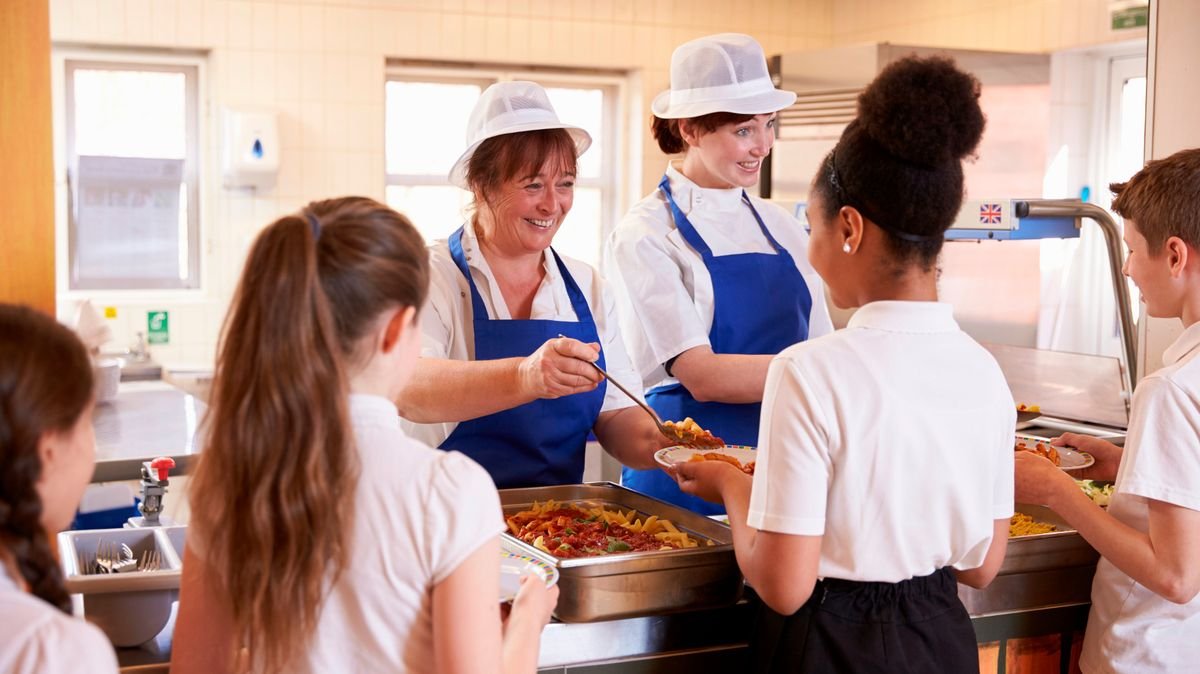
The Mirror has advocated for free school meals for all primary school children, supporting Sir Keir Starmer’s initiative to extend this provision, benefiting families on Universal Credit in England. This move, saving parents up to £500 annually, aligns with the Mirror’s campaign to combat child hunger.
Addressing the issue of child poverty, the Mirror urges the government to ensure universal free school meals for primary pupils, following the lead of Scotland and Wales. Providing all primary-age children with free school meals would not only alleviate financial burdens on families but also create equal opportunities for all students to excel academically.
The EPI’s analysis underscores the necessity of reducing the disadvantage gap in education, with a target to halve it by the time the current generation finishes secondary school. While some progress has been made post-pandemic, the report indicates a widening gap in early years education and at Key Stage 4. The EPI recommends increased access to funded childcare and enhanced school funding for pupils eligible for free meals.
Stakeholders, including the National Education Union and the Local Government Association, emphasize the need to reform testing and assessment methods to support students from disadvantaged backgrounds. The government is committed to providing equal opportunities for all children, through measures like expanding childcare, extending free school meals, and enhancing the SEND system.
Education Secretary Bridget Phillipson envisions a future of universal early years education to ensure that disadvantaged children do not miss out on crucial educational opportunities.

