

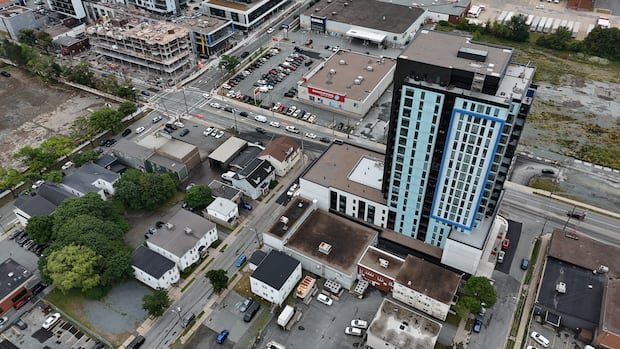
Nova Scotia is witnessing a surge in rents despite the construction of numerous new rental units in recent years. Historically, from 1998 to 2018, the province experienced rent inflation rates below two per cent. Although the annual rent increases have slowed from their peak of 14.6 per cent in October 2023, recent data reveals that Nova Scotia rents rose by an average of 8.7 per cent in July compared to the previous year.
According to Kelvin Ndoro, the lead economist for the Atlantic region at CMHC, the concentration of new rental constructions in Halifax is contributing to the ongoing rent increase trend. Ndoro highlighted the need for diversifying rental stock across other areas like Kentville, where vacancy rates are lower than in Halifax.
Neil Lovitt, a real estate consultant, pointed out that the province’s five per cent cap on annual rent increases has led to rental units having prices below market rates. Lovitt emphasized that this cap has slowed down market adjustments, resulting in rent increases in Nova Scotia surpassing the national average by approximately 57 per cent since 2018.
Despite the construction of new housing units in recent years, Ndoro mentioned that Nova Scotia’s rental market is gradually improving, particularly in Halifax, where vacancy rates have shown improvement. However, the scarcity of lower-cost rental options remains a challenge for tenants seeking affordable housing.
Catherine Leviten-Reid, a researcher at Cape Breton University focusing on affordable housing, highlighted the struggles faced by low-income households due to significant rent increases compared to minimal income assistance rate increments.
Overall, while the rental market in Nova Scotia is evolving, challenges persist for tenants, especially in accessing affordable housing options.

