

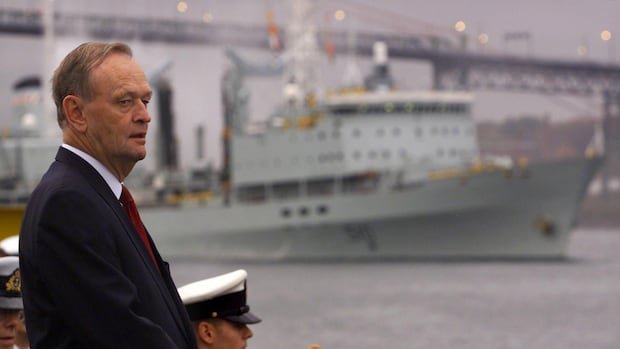
Canada, known for its opposition to the 2003 Iraq war, was making preparations to support the U.S.-led invasion by deploying naval ships into combat if the UN Security Council approved, as per cabinet records. Minutes from the final cabinet meetings leading up to the invasion reveal that the government was still considering the possibility of UN approval for military action and how this weighed on ministers during discussions on life and death.
The U.S. initiated the invasion to disarm Saddam Hussein of alleged weapons of mass destruction, which were never found. President George W. Bush’s administration framed the conflict as part of the broader war on terror following the 9/11 attacks. Prime Minister Jean Chrétien officially announced Canada’s decision not to join the U.S.-led coalition in Iraq just days before the invasion began.
On the same day, the U.S. withdrew a resolution from the Security Council that would have authorized military action after facing probable defeat. Accessing information through CBC News, it was revealed that Canada had discussions on potential military options, including sending ships, if the UN approved military action.
Retired general Raymond Henault, the chief of the defence staff in 2003, confirmed that the Canadian Armed Forces could have contributed to the Iraq war if Canada had decided to participate. The cabinet minutes indicated that Canadian ships in the Persian Gulf could have been redeployed for combat operations in support of the invasion, potentially involving special forces.
Sen. Percy Downe, present at the 2003 cabinet meeting, noted that the government was following the military’s lead in planning for potential involvement in the conflict. The decision to stay out of the war was seen as an assertion of Canada’s sovereignty, reminiscent of past decisions such as Lester B. Pearson’s stance during the Vietnam War.
Despite concerns that not participating could strain relations with the U.S., cabinet generally supported Chrétien’s decision. The documents obtained highlighted the need for principled leadership post-conflict and continued efforts in counterterrorism. The decision not to join the war was viewed as controversial at the time, with potential backlash from various sectors.
Furthermore, intelligence assessments by Canada on Iraq were deemed accurate before the invasion, reflecting concerns about regional instability and terrorism. The war’s aftermath saw the emergence of ISIS as a threat, leading to subsequent military interventions to combat the group.
During philosophical discussions before the war, ministers debated the justifications for war and taking lives, highlighting concerns over divisions among allies. The emotional weight of the decision, knowing the potential human cost, was a significant factor in Canada’s stance on the Iraq war.

