The fisheries minister of Newfoundland and Labrador was not the sole representative from the provincial government who participated in a study trip to Scotland, which was fully funded by the aquaculture company MOWI.
On Monday, Loyola O’Driscoll disclosed that his deputy minister, Keith Sullivan, also attended the sponsored excursion, where both individuals enjoyed accommodations at a castle and a “luxury” shooting lodge, all covered by the aquaculture firm.
Before becoming the head civil servant at the Department of Fisheries and Aquaculture in February, Keith Sullivan held positions as president of the Fish, Food & Allied Workers-Unifor union and as executive director of the Newfoundland and Labrador Aquaculture Industry Association.
“He also had a clearance, as well,” O’Driscoll mentioned on Monday, emphasizing that the trip received prior approval from the provincial Legislative Standards Commissioner, Ann Chafe, before their departure.
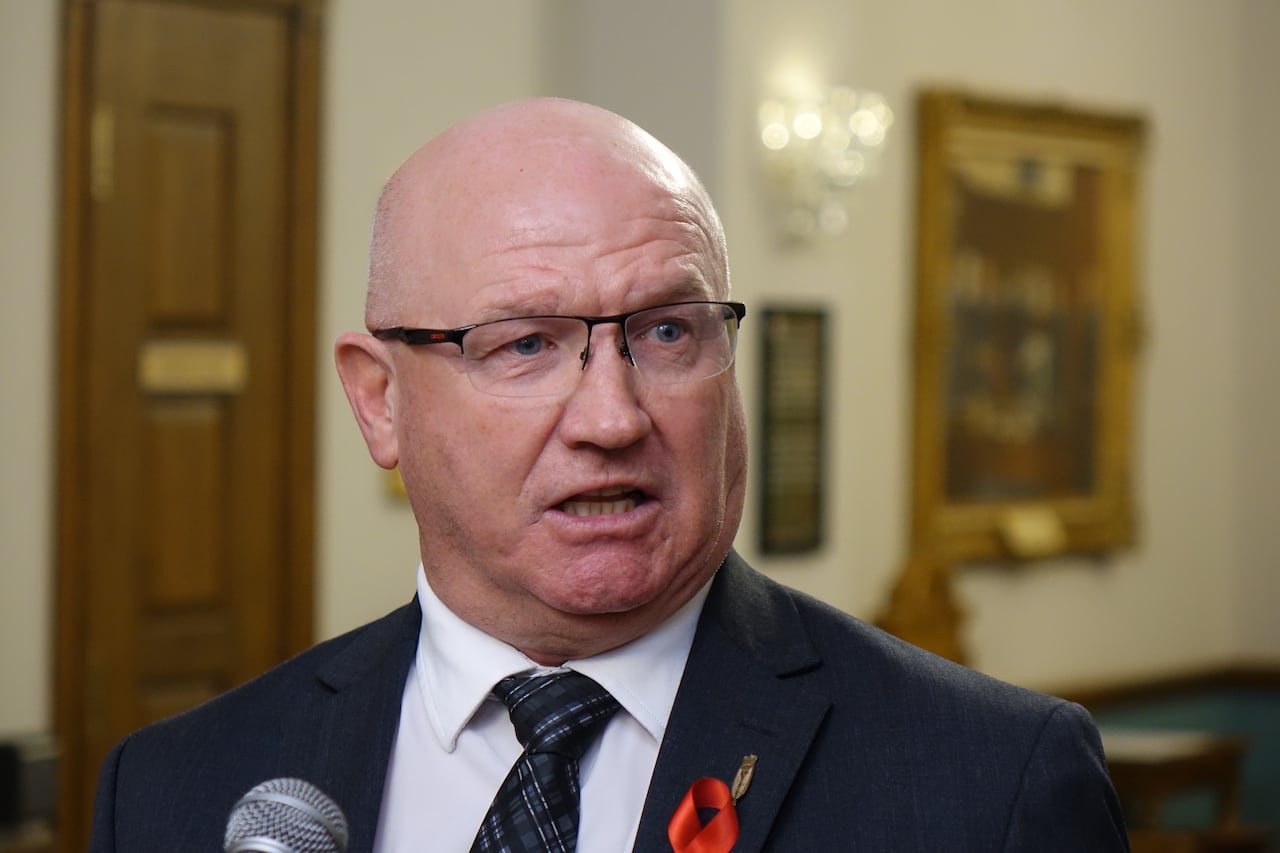
Newfoundland and Labrador Fisheries and Aquaculture Minister Loyola O’Driscoll speaks to reporters outside the House of Assembly on Nov. 24, 2026. (Patrick Butler/Radio-Canada)
“What do you want me to do? Go back and ask her to double-check it again? I certainly got my approval.”
Opposition unimpressed
In spite of the commissioner’s ruling, both opposition parties in the province have voiced concerns about what they perceive as a blatant conflict of interest.
During the question period on Monday, the NDP criticized the lax regulations surrounding gifts and benefits offered by companies to elected officials and called for the establishment of a new ethics commissioner for the House of Assembly.
While most expenses related to O’Driscoll and Sullivan’s trip to Scotland for the Aquaculture U.K. conference—such as airfare and hotel accommodations at the trip’s beginning and end—were covered by the provincial government, MOWI arranged and financed travel to various remote aquaculture locations along with the pair’s lodgings between June 16 and 18.
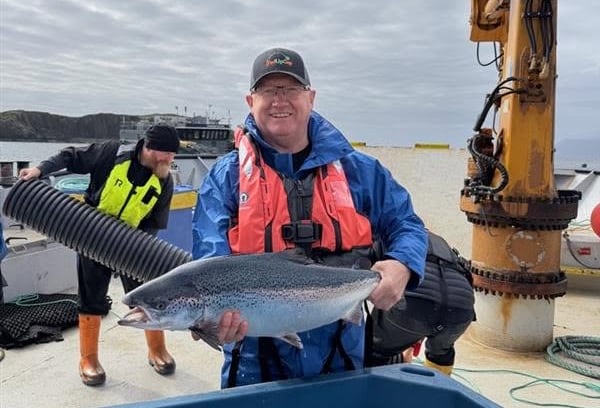
Fisheries and Aquaculture Minister Loyola O’Driscoll holds a salmon during a sponsored trip to MOWI fish farms in Scotland. (Department of Fisheries and Aquaculture)
“If he was there for departmental reasons, why didn’t the department cover the costs?” asked Liberal fisheries critic Michael King in the House on Monday.
“The minister is responsible for overseeing the industry,” King stated. “He should engage with stakeholders, but accepting complimentary stays in luxury castles is unacceptable. How can the minister justify to the public that this is appropriate and does not at least give the impression of a conflict of interest?”
‘I can’t believe we’re discussing this’
Kelly Blidook, a political scientist at Memorial University, described O’Driscoll’s actions and subsequent defenses as an “embarrassment.”
“He’s the fisheries minister, and he’s receiving benefits from a fish products company. If the regulations permit this, then they must change,” he remarked. “I can’t believe we’re even debating this.”
Blidook further noted that while O’Driscoll and the legislative standards commissioner assert that all proper protocols were followed, the minister himself admitted in a Radio-Canada interview that he had “no idea what the accommodations were” prior to his trip.
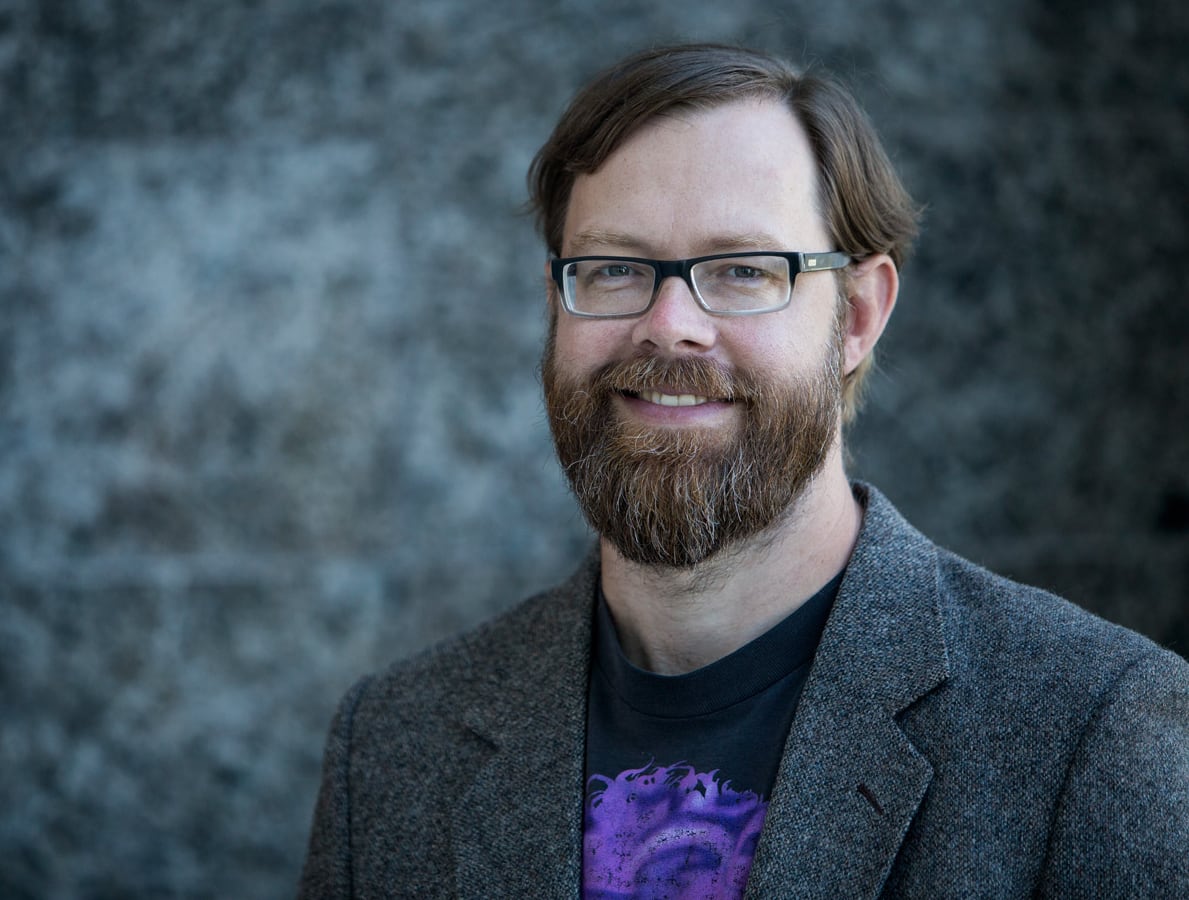
Memorial University politics professor Kelly Blidook. (Submitted by Kelly Blidook)
He raised concerns about how Chafe could have made an informed decision regarding the trip without that knowledge. Chafe declined to provide an interview last week.
Blidook also expressed astonishment that the financial disclosure addendum signed by the minister after his trip—a public document intended to outline the source and rationale behind a gift or benefit received by a Member of the House Assembly—can only be accessed in person.
In accordance with the regulations outlined in the House of Assembly Act, O’Driscoll’s addendum failed to disclose either the value of the sponsorship or the name of the company that funded it.
“To me, it’s astounding that the standard practice is for individuals to have to visit the commissioner’s office,” Blidook stated.
“This clearly puts the majority of Newfoundlanders and Labradorians at a disadvantage regarding access. The entire situation suggests an intent to maintain as much opacity as possible to comply with the law.”
Download our free CBC News app to sign up for push alerts for CBC Newfoundland and Labrador. Sign up for our daily headlines newsletter here. Click here to visit our landing page.