A new settlement has emerged in central Newfoundland, and many are unaware of its presence.
Although it lacks official incorporation and a designated name, its number of residents surpasses the combined populations of nearby towns.
This location is the Valentine gold mine, the largest in Atlantic Canada, where a significant workforce resides and operates.
“We truly function as a small town here. At any given time, we have approximately a thousand employees on site,” stated Jason Cyr, the Vice President of Canadian operations for Equinox Gold, the mine’s owner.
“When you think about it, that’s actually 2,000 because it’s … two weeks on and two weeks off,” he added.
This unnamed town plays a crucial role in the local economy and is poised for expansion.
Construction for Phase 2 is set to commence in the upcoming year, promising to create more long-term employment opportunities in a region in dire need.
According to Cyr, the mine is undergoing a $436-million expansion, which will boost gold production by approximately 25 percent.
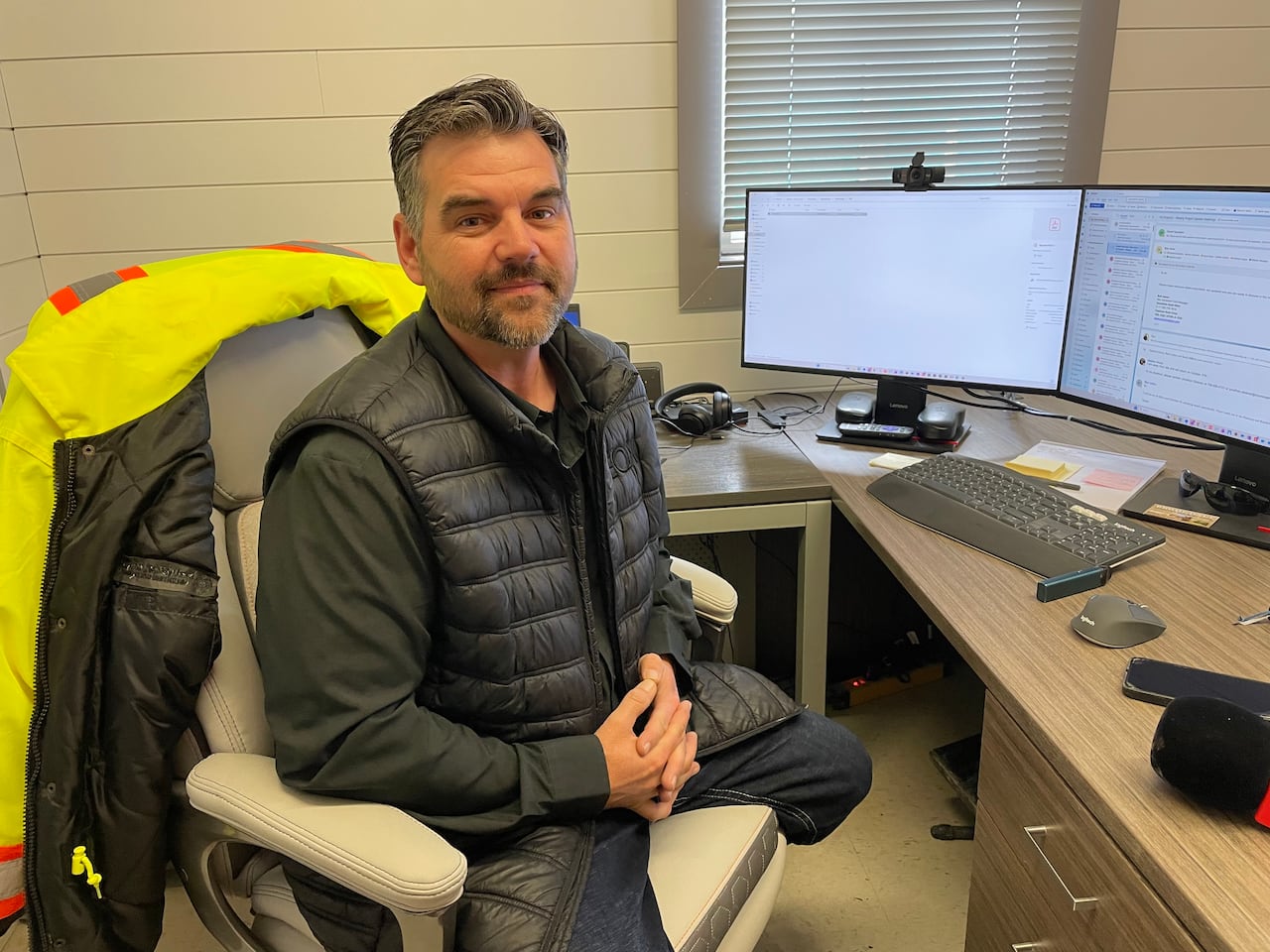
Jason Cyr manages Canadian operations for Equinox Gold. (Leigh Anne Power/CBC)
Reaching the Valentine site takes about three hours after leaving the Trans Canada Highway towards Buchans.
Most of the journey involves unpaved roads, which turn into muddy rivers during rain and clouds of dust in dry weather. One particularly winding stretch has earned the nickname The Snake among employees.
Due to its challenging accessibility, the company has provided all necessary amenities for workers, including a gym, a recreation center, and a cafeteria offering 20 different sandwich varieties daily.
The site also features a clinic equipped with paramedics and an ambulance.
At the edge of the Leprechaun pit, one of the three pits operated by the company, massive dump trucks appear as tiny vehicles far below. The ground is covered in gray rock, resembling the moon’s surface.
‘Liberate’ the gold
Cyr explains that this location marks the beginning of the gold extraction process.
“We drill and blast in the open pit, then transport the material to the crusher. We reduce it from approximately 16 inches to 4-6 inches in diameter. This crushed material is stored before feeding into a mill for further grinding and gold particle liberation. Lastly, it undergoes leaching and is refined on site to achieve 85-88 percent purity,” he detailed.
He adds that Brinks is responsible for collecting the refined gold and transporting it out of the province, where it is further purified and transformed into jewelry and coins.
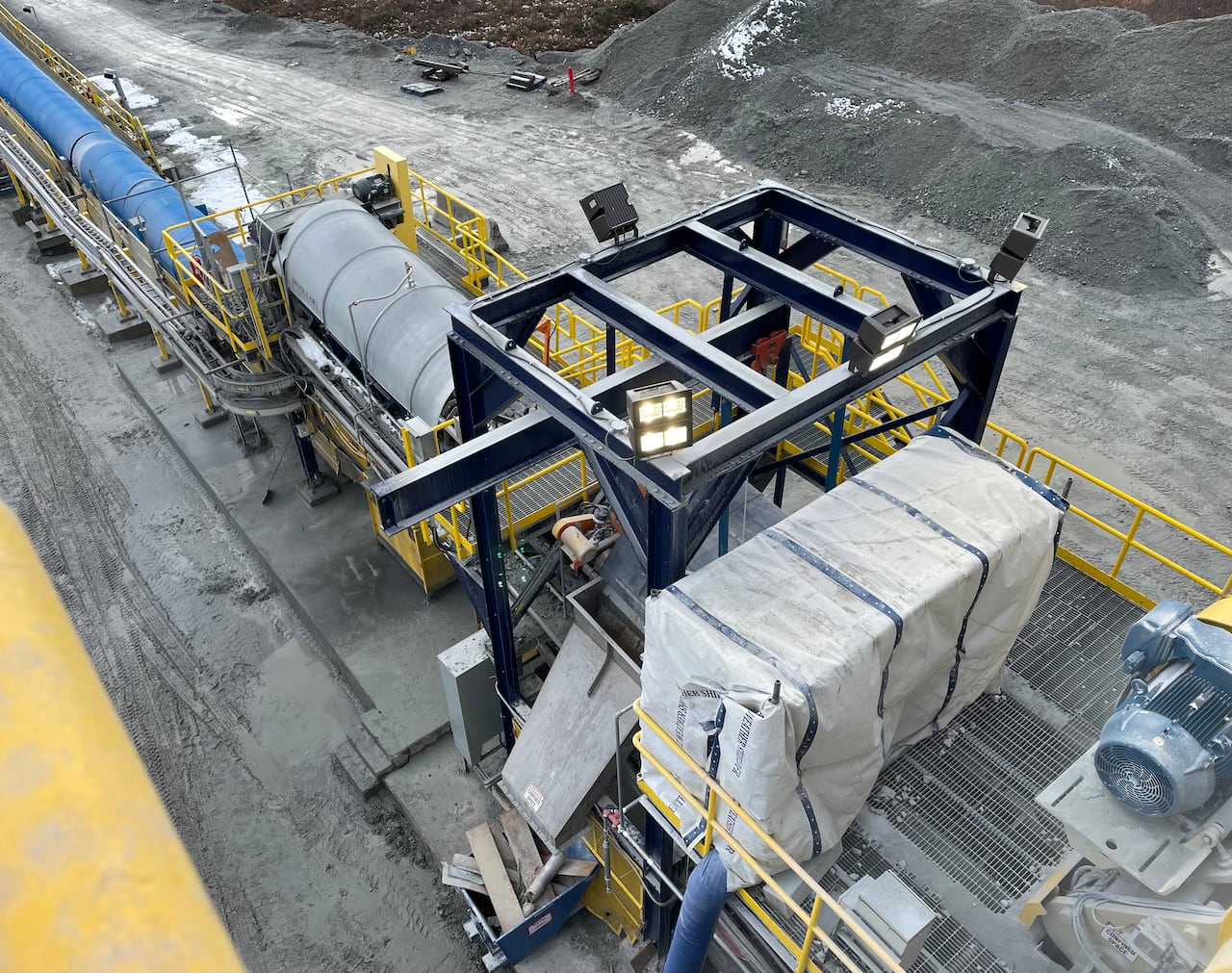
The crusher at the Valentine gold mine processes the raw ore. (Leigh Anne Power/CBC)
The entire operation is monitored from a control room managed by Kyle Park.
“If this plant were a body, I would be the brain,” he remarked. “We oversee everything from this room, from start to finish, aiming to recover as much gold as possible. Essentially, we want to convert the rock from the crusher into a slurry for transportation throughout the system to maximize our gold recovery. Liberate some gold.”
However, Cyr notes that not everyone is authorized to liberate the gold. Security measures are stringent, including thorough background checks.
Workers returning home
Cyr emphasizes Equinox’s pride in its dedication to hiring locally. Approximately 94 percent of the workforce at the mine hails from this province, including Shannon Parsons.
“This is my fifth mine,” he shared. “I’ve worked across Canada, in places like Ontario and Nunavut, but it’s wonderful to be back home. Many talented individuals who worked out of province, myself included, are eager for the chance to return.”
Cyr also highlights that the roles at the site often differ significantly from common perceptions.
“I appreciate the wide range of skills that mining encompasses. It’s not just what one might picture growing up, with pickaxes and such,” he commented. “It’s about technology and diverse skill sets, including instrumentation, environmental health and safety, accounting, HR, mining, milling, electrical, and mechanical fields. There’s a wealth of talent concentrated in this location.”
The company provides specialized training on its machinery for those new to the mining sector. Mike Hann manages a cutting-edge simulator for equipment training.
“We are designed to help individuals familiarize themselves with controls before they enter the field,” he explained. “For those without prior experience, this allows them to become accustomed to the controls, increasing their comfort and efficiency.”
This approach benefits everyone, as it enhances safety for employees and minimizes equipment damage caused by inexperience.
Amanda Jacobs, a second-generation excavator operator, now serves as a trainer for new staff.
“I’ve always had an interest in equipment,” she said. “My dad worked with Abitibi [the paper company] here, creating roads and such. He operated an excavator, which sparked my interest.”
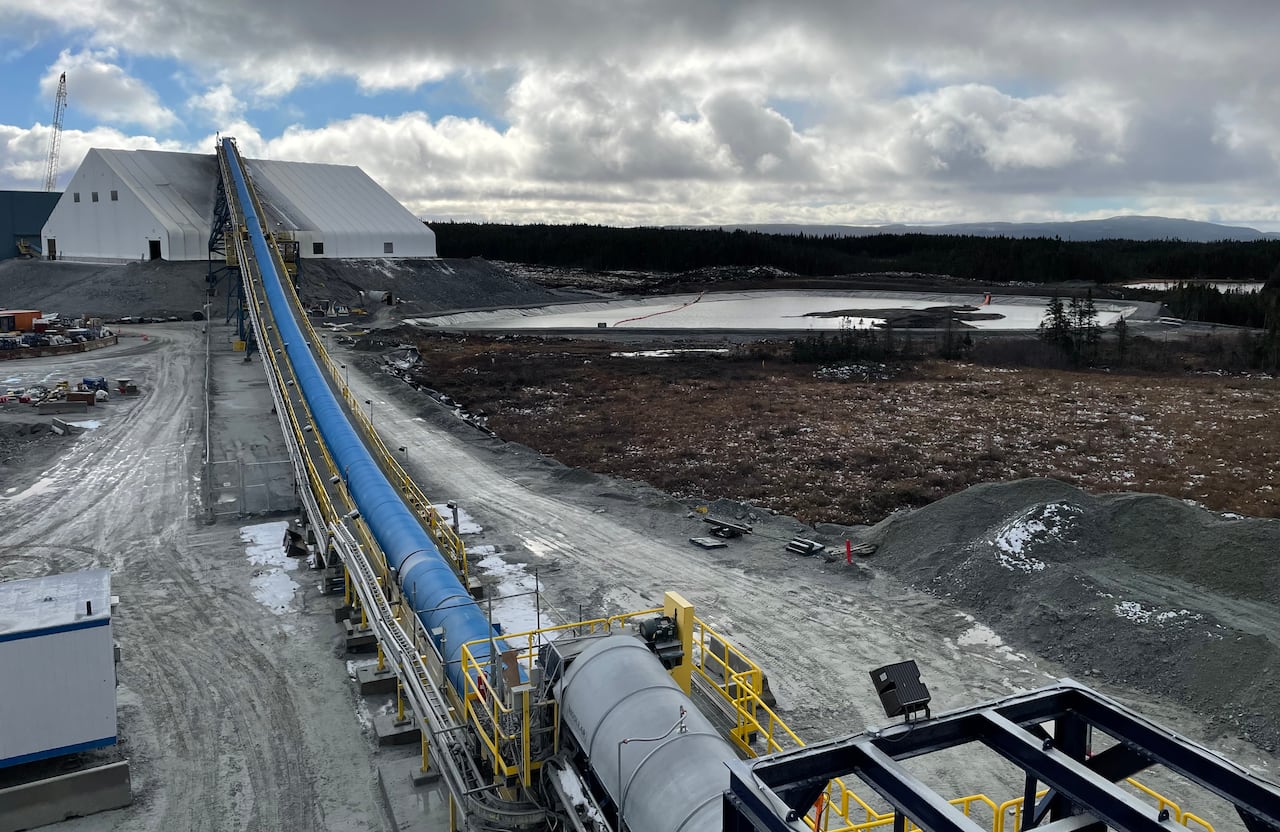
A conveyor belt transports crushed ore to the milling plant at the Valentine gold mine. (Leigh Anne Power/CBC)
While on-site employees earn good, reliable wages, Cyr notes that they are not the only beneficiaries of the Valentine mine.
He pointed out the importance of utilizing local contractors and suppliers for the company’s various requirements, from catering services to T-shirts.
“Indeed, there are numerous positive outcomes stemming from this small asset we have here today,” he concluded.
Download our free CBC News app to sign up for push alerts for CBC Newfoundland and Labrador. Sign up for our daily headlines newsletter here. Click here to visit our landing page.Â