The government of Alberta is closely observing what it describes as an unprecedented outbreak of rabbit hemorrhagic disease (RHD), a viral infection known for its high contagion rate and lethal impact on rabbits and hares, resulting in nearly 90 percent mortality among those infected.
Margo Pybus, a provincial specialist in wildlife diseases, stated that this recent outbreak has occurred “at a scale that has never before been seen in Canada with this virus.”
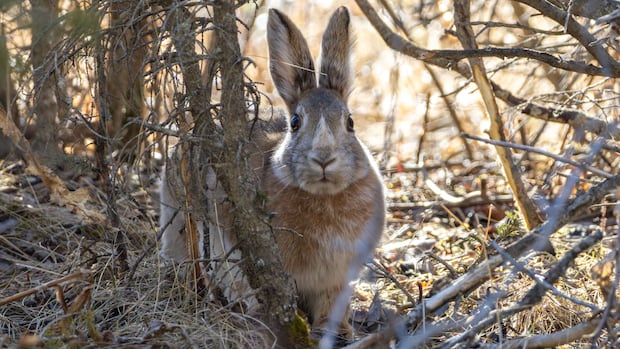
The outbreak was identified in Alberta this autumn, following a report from a trapper in the northwestern region of the province who noted an unusually high number of deceased snowshoe hares on his trap line in September.
“We observed native snowshoe hares dying in what appeared to be significant numbers across a broad area,” Pybus commented.
Subsequently, the province received an influx of similar reports from trappers, workers, and First Nations communities in northern Alberta throughout the fall season.
- ‘Highly contagious’ disease that only affects rabbits, hares, confirmed in N.W.T.
- Pet rabbits in Vancouver apartment building died of lethal disease: ministry
During this timeframe, surrounding regions in northern British Columbia and the Northwest Territories also reported significant rabbit and hare mortality.
“We now have confirmation from all three jurisdictions that it’s [RHD], and that’s what’s happening in the north with the snowshoe hares,” she stated.
RHD can kill nearly 90 percent of affected rabbits and hares, but it is not known to pose any risk to humans or other animal species.
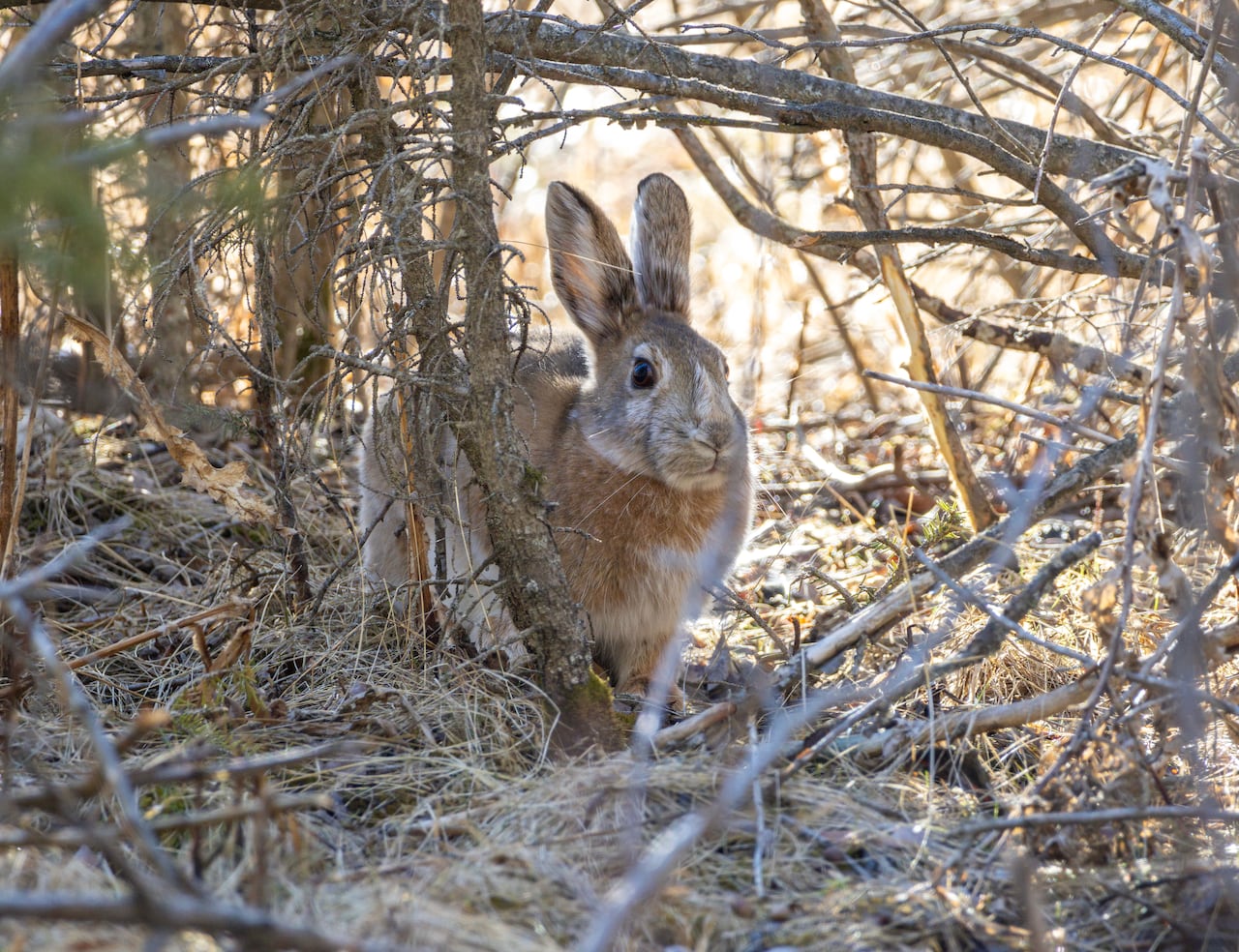
A snowshoe hare in Calgary. These hares are smaller and more elusive than the white-tailed jackrabbits commonly seen throughout the city. (Amir Said/CBC)
This is not the first instance of RHD in the province. Since 2021, it has been found in both domestic and feral rabbits, as well as in one mountain cottontail, a native rabbit species, across Alberta.
However, this recent outbreak affecting wild hares is unprecedented, according to Pybus.
Given that snowshoe hares serve as a crucial food source for various predators in Alberta, substantial die-offs could lead to significant ecological consequences.
“If we see a notable drop in snowshoe hare populations, we would anticipate an impact on the lynx populations,” Pybus indicated.
“Should the hares disappear, we could expect an increase in mortality rates among the predators that rely on snowshoe hares as their primary source of prey.”
- Yukon lynx populations peaking as snowshoe hare start to decline
- Rabbit versus hare: how to tell what you’re looking at
Pybus noted that the recent RHD outbreak among wild hares seems to have predominantly impacted hares in northern Alberta, specifically regions from Grande Prairie to High Level, Rainbow Lake, and Fort McMurray.
“Currently, we have no evidence that the virus has spread this far south,” she mentioned.
Reports of deceased hares have recently decreased, suggesting that the virus likely “had its major impact in October and early November.”
Nevertheless, the province is vigilant about its potential spread, which includes monitoring other native rabbits and hares, such as the plentiful white-tailed jackrabbits in Calgary.
Pybus confirmed that there have been no verified cases among pikas, which are mountain-dwelling lagomorphs closely related to rabbits, noting that this may be due to their distinct habitat, separate from areas where the virus has previously been active.
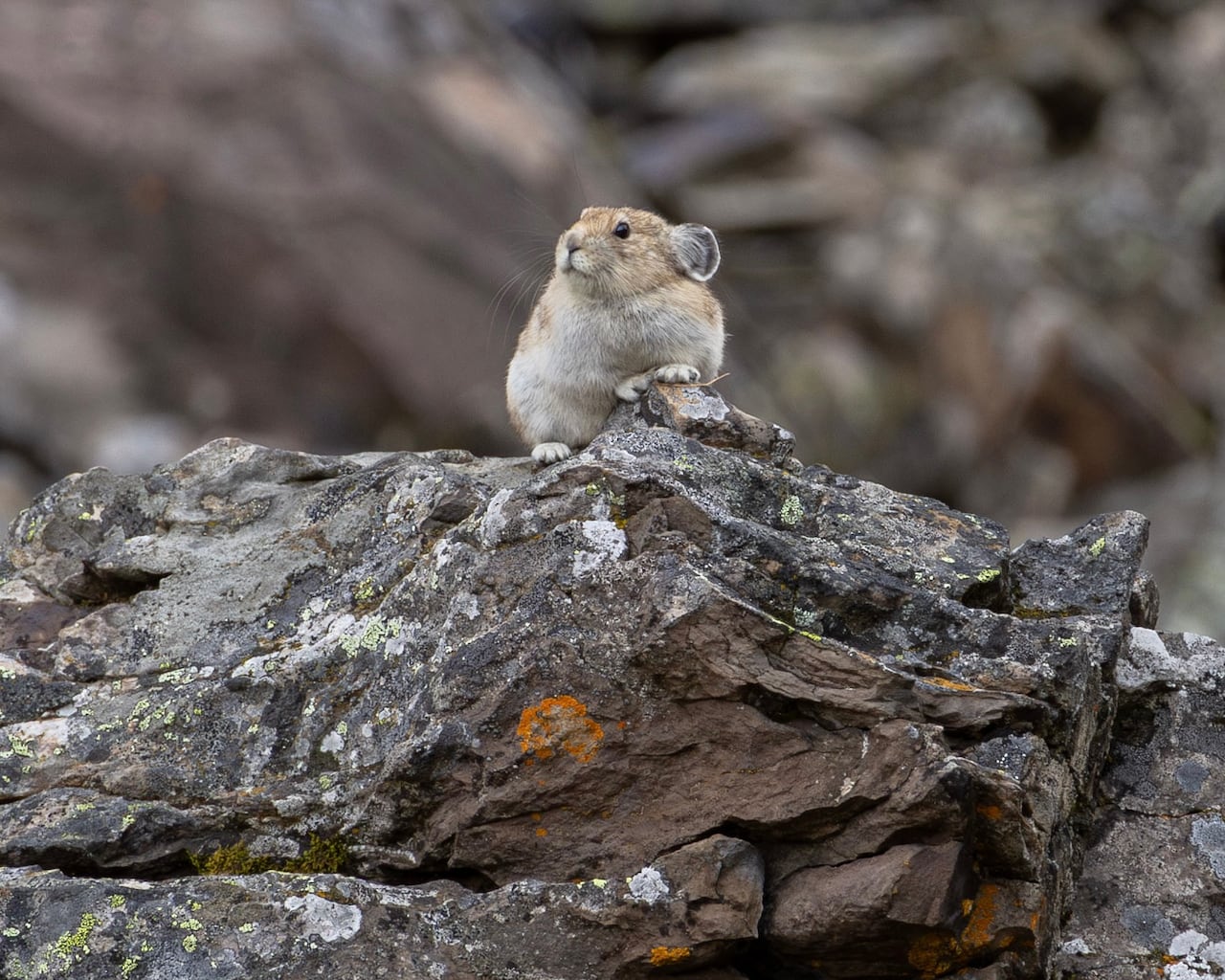
A pika in Kananaskis Country. Although closely related to rabbits and hares, rabbit hemorrhagic disease has never been documented in pikas. (Amir Said/CBC)
With prior RHD outbreaks primarily affecting domestic and feral rabbits, the province has notified rabbit owners about the associated risks.
“Those individuals should remain vigilant and enhance their biosecurity measures,” she advised.
“For pet owners in particular, it is important to ensure that pet rabbits are securely housed and kept from any chance of coming into contact with a wild hare or jackrabbit, as they are likely the initial source of the virus.”
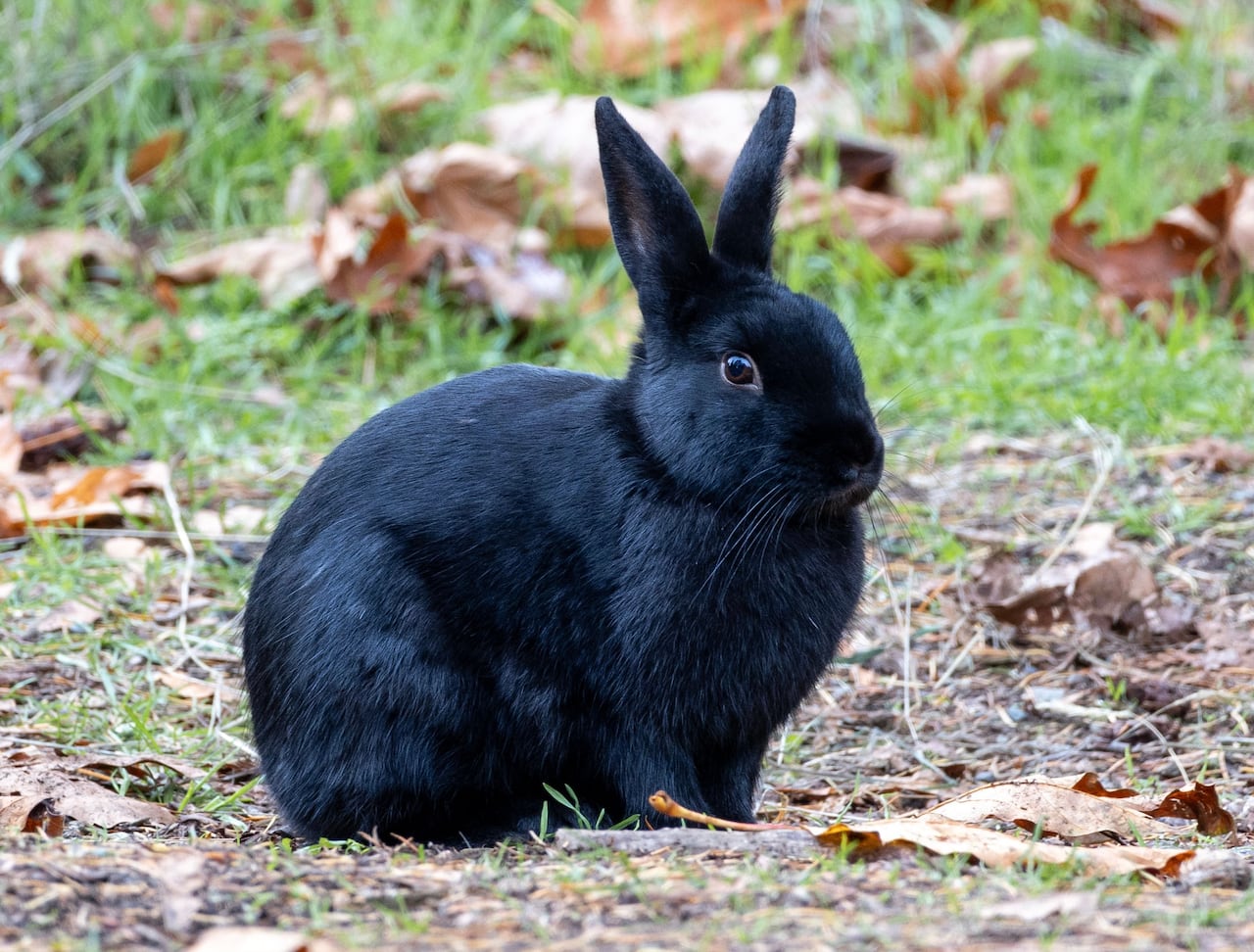
Domestic and feral rabbits, like this one, have established populations across Canada and have been affected by RHD outbreaks in Alberta, including in Calgary, Edmonton, Canmore, and Taber. (Amir Said/CBC)
Katrin Becker from the Southern Alberta Rabbit Breeders Association emphasizes the need for rabbit owners to adopt appropriate precautions.
“To protect your pet rabbits, I recommend keeping them off grass and outdoor areas, as migratory birds can potentially carry [RHD],” advised Becker, who has been raising rabbits for over three decades.
She also suggested avoiding fresh produce for rabbits, particularly if sourced from regions known to harbor the disease.
However, these precautions don’t necessitate a decline in a rabbit’s quality of life.
“Instead of isolating your bunny and depriving it of a fulfilling life, just exercise reasonable caution,” she added.
- Vancouver Island rabbit owners encouraged to vaccinate bunnies against lethal disease
- Rabbits vaccinated for deadly hemorrhaging disease amid B.C. outbreak
Vaccination is available for domestic rabbits to shield them from RHD. The Canadian Food Inspection Agency, which oversees RHD in Canada, has approved a vaccine developed by Filavie for use in the country since 2022.
Becker, who has around 25 rabbits, considers vaccinating them essential. She encourages even those who keep one or two as pets to think about vaccination, regardless of their location.
“If I resided in Grande Prairie and owned a pet rabbit, I would have it vaccinated immediately,” Becker asserted.
“In Calgary, the likelihood is much lower [but] I still vaccinate my dogs even though rabies cases are extremely rare here,” she added. “I do it simply because I care about my dogs, and it’s something I can do for them.”