
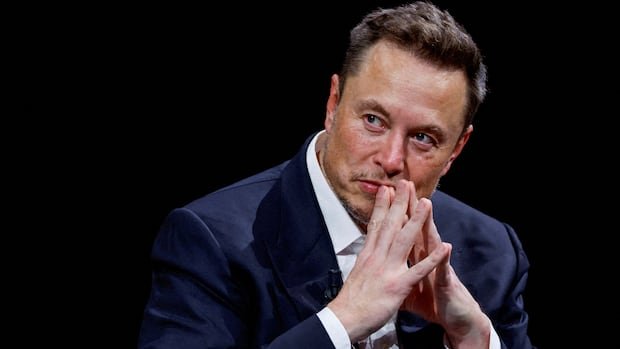
Ads promoting a documentary that scrutinizes Elon Musk, a polarizing billionaire, were reportedly prohibited on TikTok and X initially. However, after a brief delay, the ads are now live on YouTube and Meta’s social media platforms. The trailer for the nearly four-hour film titled “Musk” was released on Thursday in anticipation of its theatrical debut on Oct. 9.
According to a report by the Hollywood Reporter on Friday, indie distributor Bleecker Street faced rejection from all four companies when attempting to purchase ads for the documentary. YouTube, TikTok, and Meta, the parent company of Facebook and Instagram, cited “political content” as the reason for rejection, while X, Musk’s platform, did not provide any comments.
Following an online backlash, YouTube confirmed on Saturday that the ads for “Musk” are now being displayed on the platform. The platform stated that the ad was briefly restricted by their system but was later approved after review.
A Meta spokesperson informed CBC News on Monday that the rejected ads were restored due to an error, without further explanation. Despite attempts to seek comments, Bleecker Street, TikTok, and X did not respond.
TikTok prohibits paid political advertisements, Meta restricts them in certain regions like the European Union, while YouTube permits political ads with transparency disclosures, and X allows them in regions such as the U.S.
Elon Musk gained political prominence during his support for Donald Trump’s 2024 re-election campaign and subsequent appointment as the head of the Department of Government Efficiency. Although he has since left the administration, Musk remains a controversial and vocal figure.
The documentary delves into allegations that the world’s wealthiest individual has sought to manipulate online discourse, including his acquisition of Twitter (now X) and claims that he may have leveraged his Starlink satellites to influence the 2024 election improperly.
Director Alex Gibney expressed relief after YouTube and Meta reversed their decisions, attributing the change to public pressure. Musk has consistently criticized the documentary, calling it a “hit piece” and threatening legal action over its suggestions regarding the Starlink satellites.
Despite Musk’s objections, the film has received positive reviews from critics. Vulture described it as a “damning” portrayal of Musk, while Variety characterized it as a “lacerating portrait of technocratic brilliance, power lust, and crackpot delusion.”
In a similar vein, Aaron Sorkin’s upcoming film, “The Social Reckoning,” will focus on Mark Zuckerberg, following his previous work on “The Social Network.” Scheduled for release by Sony next month, the film continues the trend of scrutinizing tech billionaires in the entertainment industry.

