

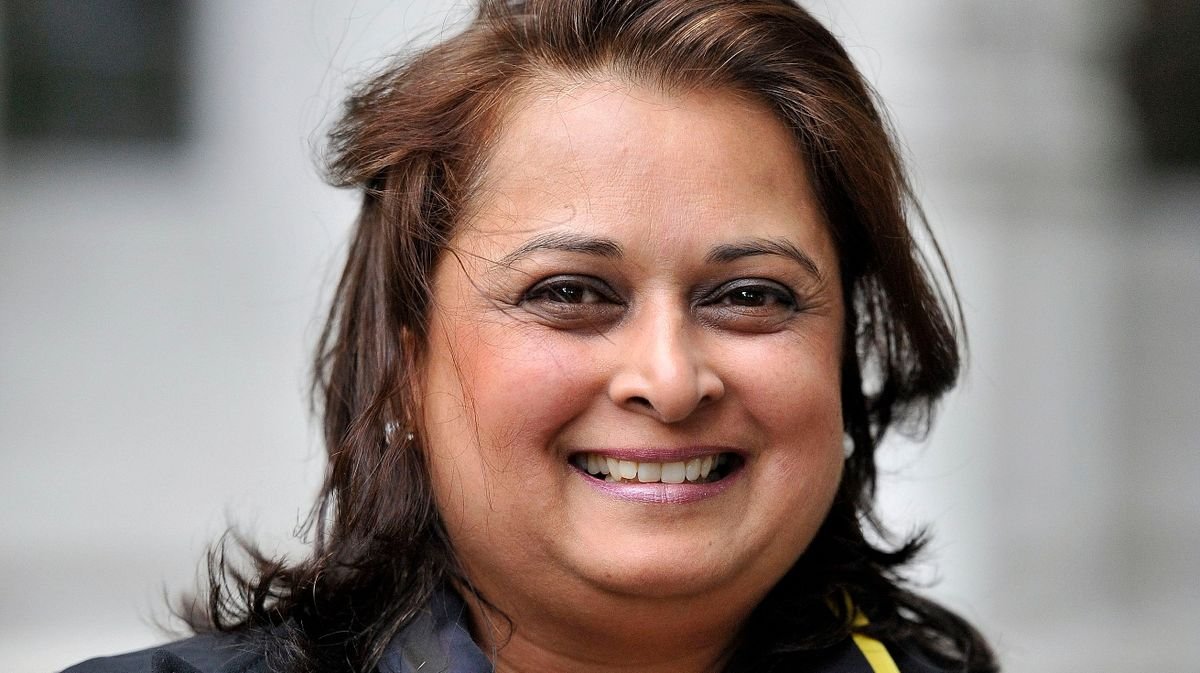
In a landmark legal battle, a mother of three involved in what is believed to be the UK’s longest divorce case has been granted £6.6 million from her ex-husband’s fortune after a 24-year dispute. Varsha Gohil, 61, from north London, initiated divorce proceedings against her solicitor ex-husband Bhadresh Gohil in May 2002, citing adultery and unreasonable behavior. Despite accepting a financial settlement of £270,000 and a family Peugeot at the time, she suspected that her ex-husband was concealing substantial wealth.
Over the next two decades, Varsha Gohil’s suspicions were confirmed, leading to a significant court victory as it was revealed that Bhadresh Gohil had hidden assets worth £28 million in various corporate entities globally. The case, now a legal saga of historical significance in Britain, underwent multiple twists and turns, with Varsha Gohil seeking to overturn the original settlement in 2007.
Her position was bolstered in 2011 when Bhadresh Gohil was convicted of money laundering, forgery, and conspiracy to defraud, resulting in a ten-year prison sentence. Gohil, a former solicitor linked to controversial Nigerian figure James Ibori, was implicated in a substantial fraud and money-laundering scheme. Prosecutors revealed that he had facilitated the laundering of millions through his law firm’s client accounts, leading to the freezing of assets totaling around £28 million.
Following a legal battle that reached the Supreme Court in 2015, it was ruled that Varsha Gohil could challenge the initial settlement due to her ex-husband’s failure to fully disclose his financial situation. This decision marked a departure from established family law settlements that prevented spouses from revisiting agreements upon discovering concealed assets. Despite this breakthrough, the legal wrangling persisted for years as efforts were made to recover the frozen assets and resolve ownership disputes.
The case finally concluded in the High Court in 2023, with competing claims from Varsha Gohil, her ex-husband, and the Crown Prosecution Service (CPS). Bhadresh Gohil argued that the assets did not belong to him, while Varsha Gohil contended the opposite, claiming that the wealth formed part of their marital estate. The CPS asserted that the entire sum constituted proceeds of crime subject to confiscation proceedings.
Ultimately, Mr. Justice Williams determined that the assets belonged to Gohil, noting that prosecutors had not proven the entire fortune was unlawfully obtained. Some businesses and assets from the marriage were deemed legitimate. Varsha Gohil was awarded £6.6 million from these untainted assets in the final resolution of the case.

