

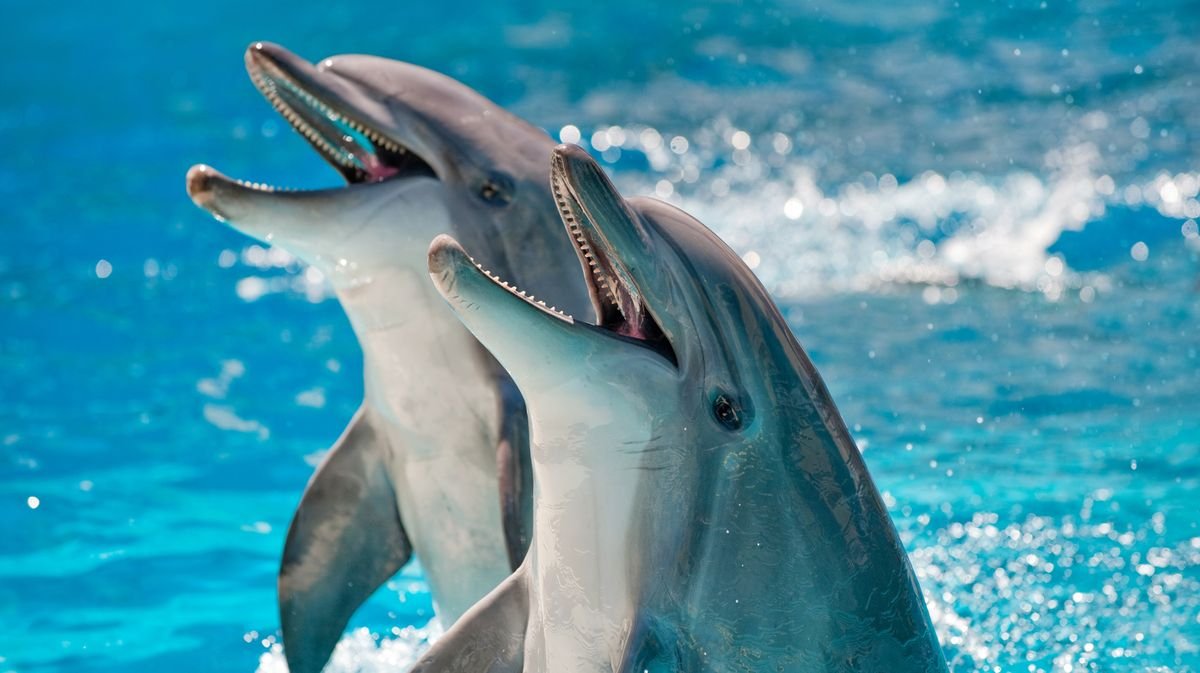
The Bank of England intends to swap out historical figures on banknotes with animals selected by the public. Notable figures like Sir Winston Churchill on the £5 note, Jane Austen on the £10, JMW Turner on the £20, and Alan Turing on the £50 will be replaced by wildlife indigenous to the UK. Options for the new banknotes include a dolphin, fox, butterfly, owl, bumblebee, and shark.
The upcoming series of banknotes, which will still feature the monarch on the reverse side, will showcase different animals, each falling into one of three categories that encompass various species and habitats. The public is encouraged to pick up to two animals from each category in the ongoing consultation, closing at 11.59pm on July 3.
Final decisions on the animal selections will be made by Bank of England Governor Andrew Bailey, incorporating feedback from the public. The Bank is seeking input specifically from UK residents and British citizens abroad, who can share their preferences through the Bank’s website or by mail. The outcome of the consultation is expected to be disclosed by the end of 2026.
Victoria Cleland, the Bank of England’s chief cashier, expressed optimism that the public will engage in the consultation to determine the animals to be featured on the new banknotes. She highlighted the diversity of wildlife in the UK represented by the shortlisted animals.
Banknotes in the UK have historically featured prominent figures since 1970. The current series, initiated in 2016 with £5 notes displaying Sir Winston Churchill, has been in circulation. Despite the rise of payment technologies like contactless and mobile wallets, cash remains a preferred payment method for approximately one in seven individuals, with the amount of cash in circulation reaching £91.5 billion as of February 2026.
Shortlist of Animals:
– Mammals: Bottlenose dolphin, brown hare, European hedgehog, grey seal, pine marten, red fox
– Birds: Atlantic puffin, barn owl, common kingfisher, Eurasian curlew, great spotted woodpecker, white-tailed eagle
– Amphibians, insects, and fish: Atlantic salmon, basking shark, buff-tailed bumblebee, common frog, emperor dragonfly, marsh fritillary butterfly

