

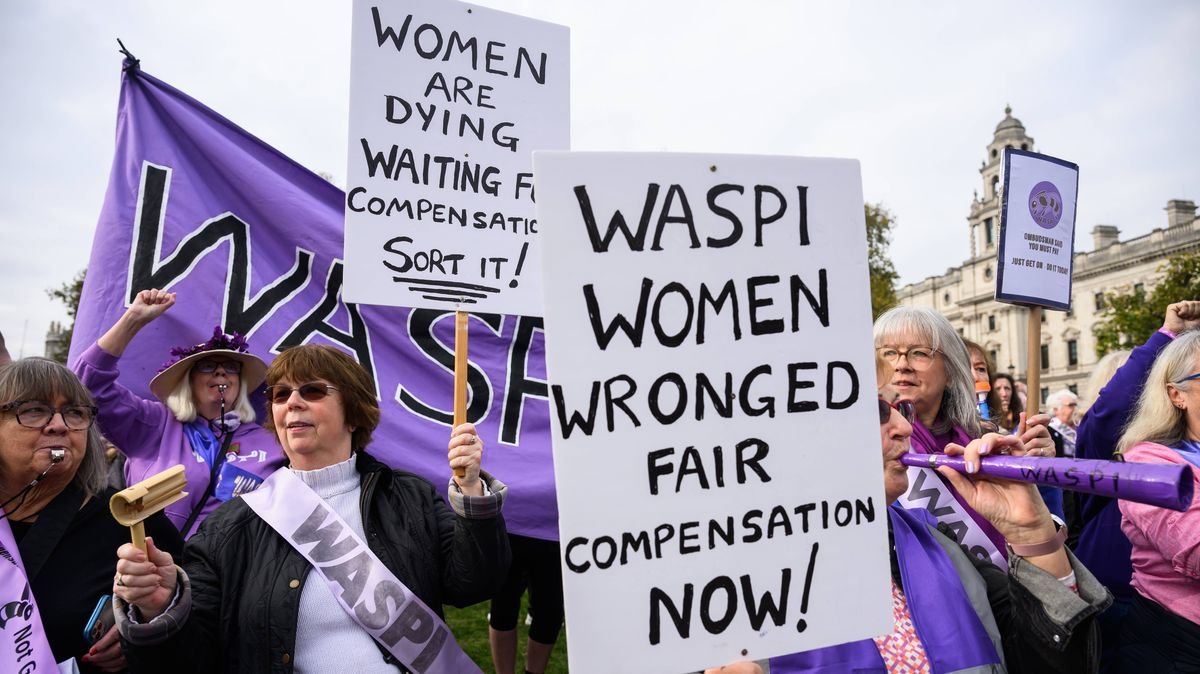
WASPI advocates express satisfaction as Andy Burnham pledges unwavering support for them, taking a dig at Keir Starmer. Implying a potential approval for compensations if he assumes the role of PM, the Mayor of Greater Manchester expresses discomfort over the treatment of millions of women born in the 1950s by politicians. At a pre-election event in Makerfield, Burnham reaffirmed his commitment to causes he endorses while criticizing the Prime Minister and senior Labour figures.
The current PM faces criticism for dismissing compensatory payouts to over 3.5 million women affected by the pension age debacle, defying recommendations for payments ranging from £1,000 to £2,950 due to administrative mishandling, which could result in a hefty £10 billion expense. Burnham emphasizes his longstanding support for the campaign, emphasizing the need for rectifying the injustice faced by the 1950s-born women.
Refusing compensation to women impacted by Department for Work and Pensions (DWP) failures, the government disregards the PHSO’s suggestion for compensations, leaving a potential £10 billion obligation unsettled. Angela Madden, leading the WASPI group, praises Burnham’s continuous backing, highlighting the necessity for justice for the affected women.
The failure to notify women about the increase in the state pension age from 60 to 65 resulted in financial unpredictability and, in severe cases, pushed women into poverty post-uninformed job departures. Despite initial support from senior Labour figures like Starmer, the party has repeatedly declined authorization for compensatory payments, most recently in January.
The PM argues that 90% of affected women were aware of the state pension age adjustment, indicating the unfeasibility of taxpayers bearing the burden of extensive compensation. Burnham is poised to challenge Starmer after the Makerfield by-election, signaling a potential leadership contest. WASPI campaigners initiate a legal battle against the government’s reluctance to implement a compensation program, expressing disappointment in the political choices made, risking voter disapproval in key constituencies.

