

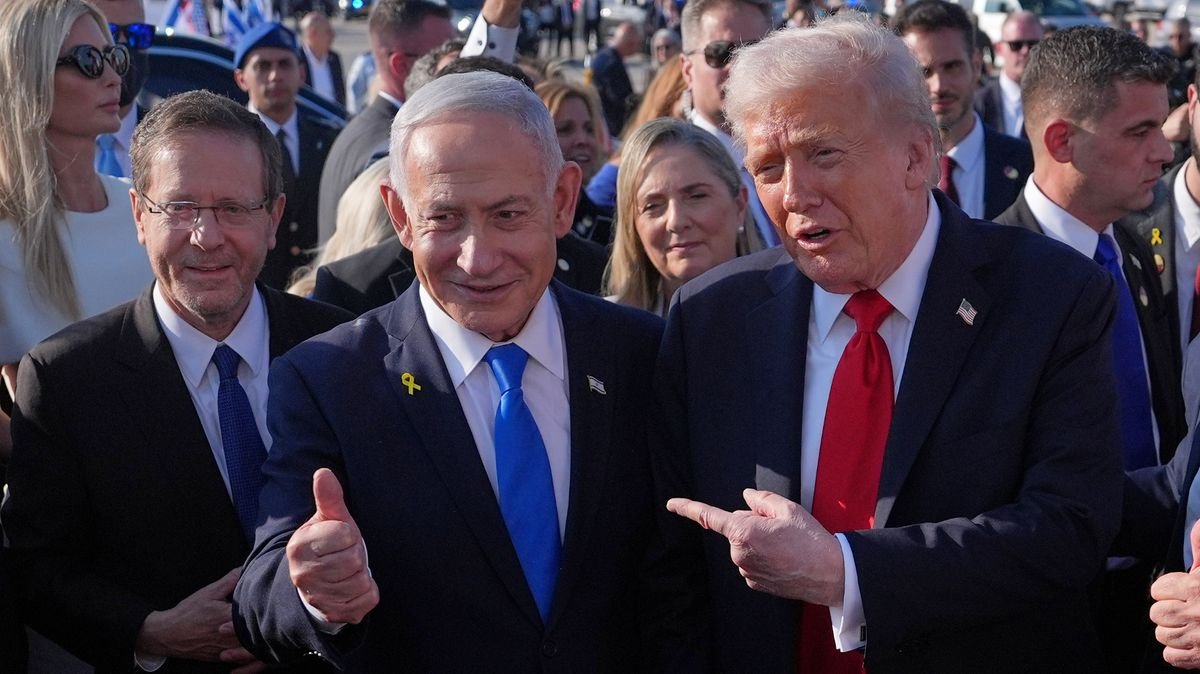
Fears are rising that the peace agreement between US President Donald Trump and Iran may face obstacles from Israel, as Israel has pledged to maintain its presence in Lebanon indefinitely. Resolving conflicts with Israel’s northern neighbor is seen as a crucial aspect for Tehran, central to the upcoming deal set to be signed this week. Reports emerged on Monday of Israeli air raids and artillery strikes targeting Hezbollah strongholds in southern Lebanon, defying the anticipated agreement.
Shortly after Trump announced the new peace deal, which includes a 60-day consultation period culminating in a signing ceremony in Switzerland on Friday, tensions escalated. Tehran has consistently emphasized the inclusion of Lebanon, specifically Hezbollah, in any long-term resolution related to Trump’s stance on Iran. Despite claims that the US-Iran agreement would halt hostilities along Israel’s northern border, prominent Israeli figures have affirmed their intent to maintain troops in southern Lebanon. Israeli forces reportedly carried out airstrikes and artillery attacks in southern Lebanon on Monday, indicating a sustained stance against Hezbollah.
Iran has cautioned that it holds the US accountable for any Israeli actions in Lebanon, asserting that Israel’s actions are coordinated with American involvement. The British security source highlighted mounting tensions between Israeli Prime Minister Benjamin Netanyahu and Donald Trump, with Netanyahu facing pressure to confront Hezbollah, potentially jeopardizing the progress on the Iran deal.
The Memorandum of Understanding will trigger a 60-day consultation period, addressing key issues such as the Strait of Hormuz and discussions on Iran’s nuclear activities. The agreement is speculated to involve substantial financial reparations, asset unfreezing, and sanctions relief in exchange for cessation of hostilities. However, Tehran insists on Lebanon’s inclusion, particularly Hezbollah, in the agreement for it to be viable.
Iran’s Foreign Minister Esmaeil Baghaei stressed Lebanon’s integral role in the agreement, emphasizing respect for its sovereignty and territorial integrity. Israeli Defense Minister Israel Katz affirmed the continued presence of troops in Lebanon, Syria, and Gaza, indicating a commitment to safeguarding borders against jihadist elements.
The political landscape within Israel reflects divided opinions, with Likud members advocating a strong response to potential threats from Iran and Hezbollah. Netanyahu’s decision to exclude Israel from the agreement has drawn criticism, with concerns raised about the strategic implications for Israel. Trump’s rebuke of Israel’s recent military action against Hezbollah underscores the delicate nature of the ongoing negotiations.
Opt for Daily Mirror as a ‘Preferred Source’ on Google News to access timely news updates conveniently.

