

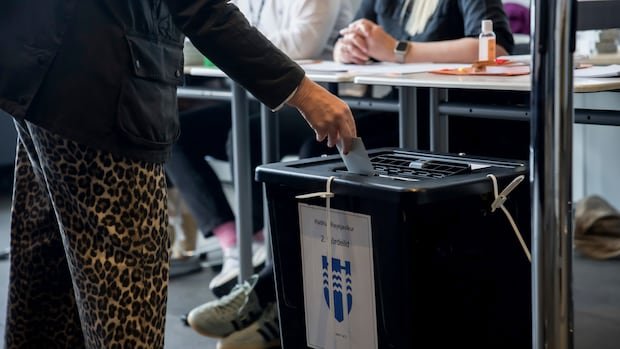
Voters in Iceland headed to the polls over the weekend to determine whether the country should restart talks to join the European Union, amid concerns sparked by President Donald Trump’s interest in Greenland. The referendum posed a straightforward question to the approximately 265,000 eligible voters: Should Iceland resume negotiations with the EU?
A positive vote would initiate discussions with the European Commission on a wide range of topics, including the economy and human rights. Proponents see potential benefits in EU membership, such as protection from any threats similar to those made by Trump and enhanced economic stability through bloc inclusion.
However, if the proposal is turned down, the issue would likely be shelved for a generation. Critics fear that EU entry could jeopardize Iceland’s valuable fishing industry and argue that the country already benefits from participation in the EU’s single market and the Schengen area for free movement.
Anticipating a tight outcome, experts noted that more than 20% of voters cast early ballots ahead of the referendum day. Trump’s public musings about Greenland have stirred unease in Iceland, situated just 290 kilometers away, with concerns mounting over the potential ramifications for Iceland should Greenland be forcefully seized.
The underlying anxiety in Iceland is whether the country could be next in line for such actions. The current left-leaning government, which took office in 2024, views EU membership as a safeguard against potential future developments in the North Atlantic region.
The history of deliberating EU membership is not new in Iceland, which formally halted its previous accession efforts in 2015 due to concerns about the impact on its valuable fishing resources. Fishing plays a central role in Iceland’s national identity, with fishing rights being a crucial topic in the lead-up to the referendum.
Joining the EU would entail compliance with the bloc’s common fisheries policy, potentially granting access to foreign trawlers in Icelandic waters. The government has signaled a desire for a tailored agreement, possibly securing an exemption from certain EU policies.
As the vote approached, Prime Minister Kristrún Frostadóttir emphasized to voters that the referendum is not the final decision and that another vote would be held if Iceland were to reach a membership agreement with the EU.
The referendum is not just about membership but also about preserving Iceland’s cultural heritage and independence. Icelanders take pride in their history of standing firm against external pressures, exemplified by their successful conflicts with Britain in the Cod Wars. Proponents of EU membership argue that closer ties with European neighbors are essential to address transnational challenges like climate change and to bring stability through adopting the euro.
Conversely, opponents believe that Iceland’s current arrangements strike the right balance, offering the benefits of European integration while retaining sovereignty. They highlight existing trade agreements, such as those with China, as evidence of favorable external relationships.
Former Prime Minister Katrín Jakobsdóttir expressed her belief that Iceland is better off maintaining its current relationship with the EU rather than seeking full membership.

