

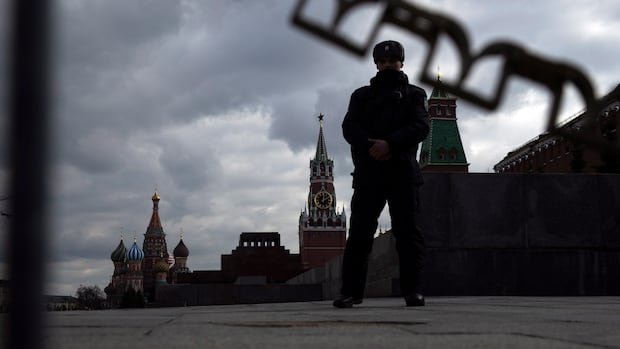
This summer has been characterized by heightened tensions in Eastern Europe, with indications pointing to potential Russian actions testing NATO’s unity and resolve.
Instances of Russian drone intrusions and a missile strike in Poland and Romania since spring have raised concerns about possible incursions.
Speculation surrounding the recent surprise visit of the CIA director to Moscow has fueled fears of a looming crisis.
Officials in Poland and the Baltic states are troubled not by the immediate threat of a large-scale Russian military invasion, but by the possibility of calculated, limited acts of aggression meant to undermine NATO’s solidarity without triggering a full Article 5 response.
In a recent incident, a Russian cruise missile penetrated deep into Polish territory, striking Lublin province during a military operation in Ukraine, further escalating tensions.
An expert on Russian military affairs noted that the Kremlin’s strategy seems to be shifting towards destabilizing NATO politically as a means to achieve its objectives in Ukraine.

The analysis suggests that Moscow’s frustration over the lack of military success in Ukraine is pushing it towards more aggressive actions to weaken NATO and bolster its position in the region.
According to the expert, the prevailing view in Moscow is that Ukraine’s resilience is due to Western support, making total victory imperative for the Kremlin.
The expert predicts a potential escalation from Russia in September, coinciding with or following Russia’s parliamentary elections.
While there are signs of increased Russian provocations, there is no definitive indication that President Putin has decided to engage in direct military conflict with NATO countries.
Do I think they’ll do something that is so clearly aimed at shaking NATO decision-making and political cohesion? Absolutely.– Kerry Buck, Canada’s former ambassador to NATO
Warnings from the U.S., Poland, and Baltic countries regarding potential provocations by Russia have become more specific in recent months, with intelligence pointing to possible aggressive actions to test NATO’s unity.
Concerns have been raised that Russia may be willing to engage in provocative actions against NATO territories amidst ongoing conflicts, signaling a shift in the threat landscape.
Experts emphasize the need for vigilance and preparedness within NATO to address potential challenges posed by Russia’s aggressive tactics.
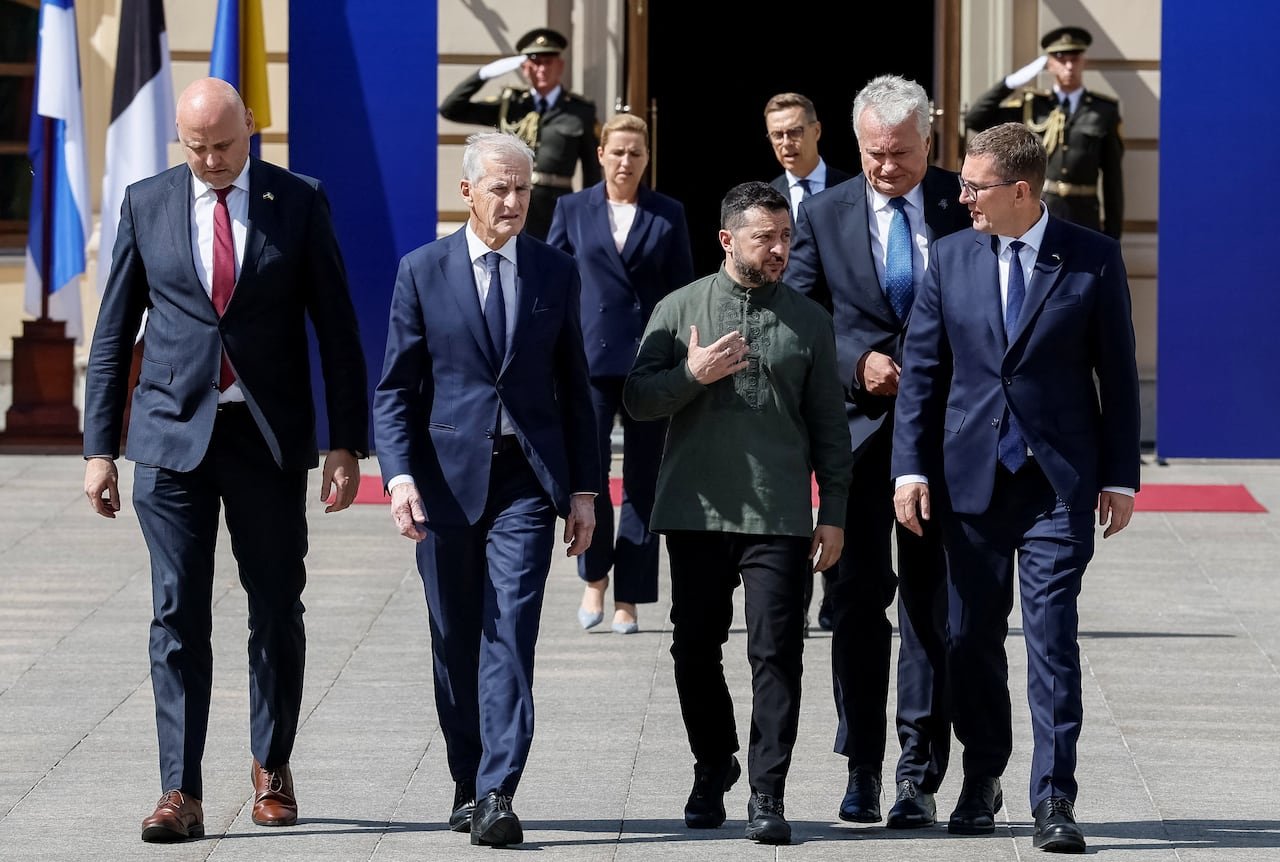
Amidst these escalating tensions, concerns have been raised about the potential for Russia to engage in deceptive operations, creating confusion and discord within NATO ranks.
Experts caution that Russia may seek to exploit vulnerabilities within NATO’s decision-making processes, particularly amidst perceived uncertainty about the U.S. commitment to the alliance.
While direct military confrontation is not imminent, the possibility of Russia employing unconventional tactics to sow discord within NATO remains a significant concern.
Experts stress the importance of maintaining a united front within NATO to address potential challenges effectively and deter aggressive actions by Russia in the region.