

Amid mounting pressure on authorities to introduce water education into school curricula, safety experts have issued crucial 10-point advice as the number of drowning incidents continues to climb.
Following the tragic death of an 18th individual in open water during the recent heatwave, education officials have been sternly cautioned as children have increasingly sought relief in rivers, lakes, reservoirs, and the ocean during a scorching half-term period.
The Outdoor Swimming Society has joined the call for enhanced awareness regarding water hazards and emphasized the need for more effective use of social media platforms, especially as the Met Office has forecasted a hot summer. They emphasized that the key to reducing fatalities lies not in barring children from water but in educating them on safe water practices.
Kate Rew, from the society and author of the Outdoor Swimmers’ Handbook, advocates for targeted safety campaigns on platforms like TikTok and Instagram to address the lack of safety messaging in recent years. Concerned by statistics showing a rise in drowning incidents among disadvantaged and ethnically diverse youth, she highlights the necessity for increased government intervention, given that one in four children leave school without basic swimming skills.
According to Rew, disparities exist in swimming ability between affluent and deprived areas, underlining the importance of more swimming lessons, enhanced pool access, and increased opportunities for both children and adults to develop water confidence safely. Swimming is not only a popular form of exercise but also promotes health, confidence, freedom, and joy, besides ensuring safety.
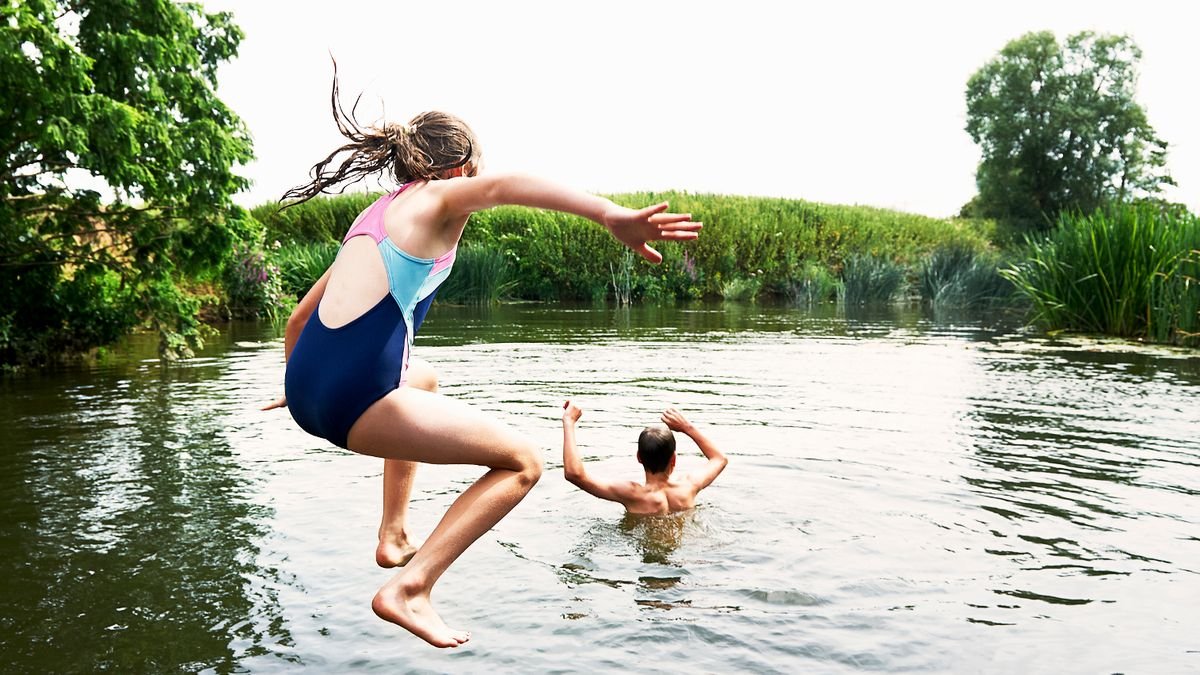
The Outdoor Swimming Society has now shared their top 10 recommendations for safer summer swimming practices, emphasizing factors like the impact of alcohol and drugs on judgment and swimming ability. They caution against the dangers of jumping into open water, highlighting risks such as hidden hazards, cold-water shock, and strong currents.
Furthermore, they advise parents to supervise children closely, especially in areas where water depth can suddenly increase, leading to potential accidents. The society also warns against taking inflatables to the beach due to the risks posed by strong winds and waves.
In conclusion, they stress the importance of assessing risks, reading safety notices, and being cautious around changing water conditions. They also provide guidance on actions to take in emergencies, such as maintaining calm in rip currents and seeking help when needed.
By prioritizing safety and promoting awareness, individuals can enjoy outdoor swimming while minimizing risks and ensuring a safe and enjoyable experience.

