

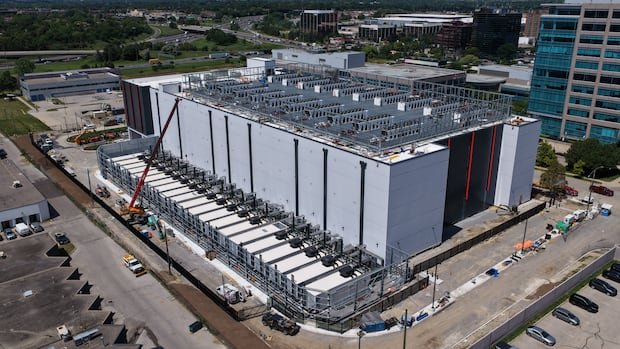
In 2026, the proliferation of AI technology is evident across various sectors in Canada, sparking concerns among some Canadians about the increasing presence of AI data centres in their neighborhoods. Canada’s significant investment in AI has led to a surge in planned or proposed AI data centres, which consume substantial amounts of water and energy.
Advocates of these facilities argue that they could solidify Canada’s position as a global AI leader. However, the rapid development pace has prompted certain communities to call for a halt. For instance, Oakville imposed a one-year moratorium on data centre construction in August, while Mississauga is considering a similar pause after a proposal for a large data centre.
Recent town halls in Alberta saw hundreds of attendees seeking clarification from the province’s technology minister regarding AI data centre plans. Concerns from CBC readers have highlighted the sudden rise in data centre construction in Canada.
Data centres are facilities that house and power computer servers and networking equipment essential for data processing and storage. Unlike traditional data centres, AI data centres utilize more powerful computer chips, increasing energy consumption and necessitating more robust cooling systems to manage the elevated heat levels.
These AI data centres are expanding in size and energy consumption, with some reaching hyperscale proportions. The mushrooming demand for AI has spurred Canada’s drive to attract investments and bolster the economy. Prime Minister Mark Carney’s “AI for All” strategy, launched in June, aims to ramp up AI adoption among Canadian businesses significantly.
Despite the benefits, communities are voicing concerns about the environmental impact and economic benefits of data centres. Some experts caution that the AI rush could lead to a bubble burst, leaving these centres as stranded assets.
As Canada witnesses a surge in data centre construction, water sources are also affected. Cooling systems in data centres consume significant amounts of water, posing challenges in water-stressed regions.
Moreover, living near data centres may present health risks due to factors such as air and noise pollution. Mitigating these risks involves adopting sustainable practices, like using renewable energy sources and implementing noise reduction measures.
In conclusion, while AI data centres offer economic opportunities, balancing their growth with environmental and health considerations is crucial. Exploring sustainable alternatives and community-friendly practices can help mitigate the potential downsides associated with the rapid expansion of data centres in Canada.

