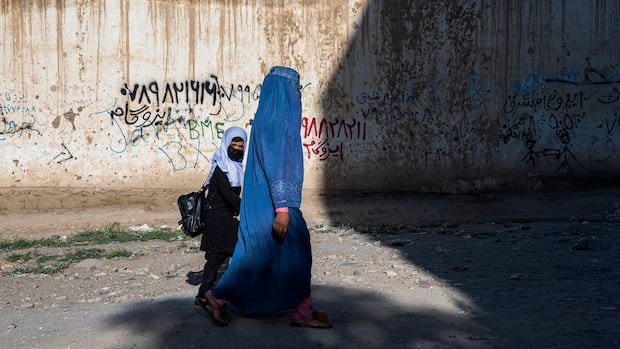
In Kabul, a young woman shared her feelings of oppression in Afghanistan five years after the return of Taliban rule in 2021 following the U.S.-led NATO troops’ departure. Under Taliban rule, about 22 million women and girls have experienced a drastic loss of rights, starting from bans on education, travel, jobs, and more.
The Taliban has enforced numerous restrictions on women, including the need for a male guardian when outside, limitations on job opportunities and education, and prohibitions on visiting public spaces like parks or salons. A recent UN Women report highlighted that many Afghan women face severe movement restrictions, with some leaving their homes only once or twice a month due to fear of violence.
Despite being endorsed by Global Affairs Canada for the Special Immigration Measures Program (SIMs) following the Taliban takeover, the woman, referred to as X, faced hurdles in her application process to relocate to Canada. Many Afghans, like X, have felt abandoned by the international community post-Western-backed government collapse in Kabul. X’s experience has led to mental distress, emphasizing the dire situation for Afghan women.
X, who enjoys certain privileges like internet access, has sought refuge in education and continues to hope for a secure future, even after accepting a marriage proposal for added protection. With uncertainties surrounding her immigration prospects to Canada, she has reached out to Canadian authorities, expressing the urgent need for assistance for Afghan women facing oppression and danger daily.