

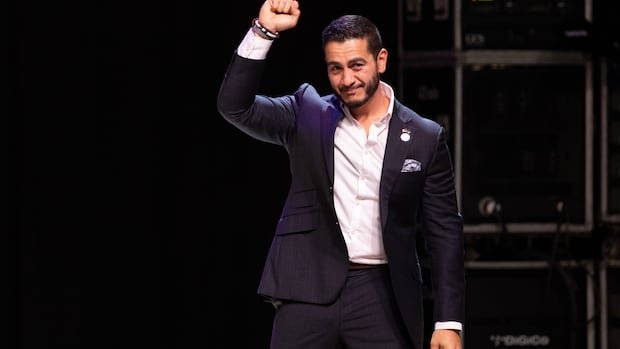
Abdul El-Sayed’s recent triumph in Michigan’s Democratic Senate primary is being hailed as a significant victory for the progressive faction of the party. In a closely watched battle in the crucial swing state, the former public health official overcame Haley Stevens, a moderate contender who had substantial backing with over $60 million US in campaign funds.
El-Sayed’s win is part of a broader trend of primary successes for Democratic socialist and leftist candidates. Just yesterday, progressive Peggy Flanagan secured victory in Minnesota’s Democratic Senate primary. However, despite these wins, there are doubts among some political analysts about their potential success in the upcoming midterm elections.
This string of victories raises questions about the future direction of the Democratic Party and speculation about potential presidential candidates in 2028. In a recent discussion, Washington correspondent Katie Simpson, accompanied by Front Burner host Jayme Poisson and Bloomberg senior White House reporter Josh Wingrove, delved into these developments.
The conversation touched on the evolving landscape within the Democratic Party, with differing views on the need for a shift towards the center on cultural and social issues while maintaining progressive stances on economic matters. The debate also explored the electoral implications of the party’s internal dynamics, highlighting the emergence of new faces and potential shifts in leadership.
As the Democratic Party navigates this period of transformation, the focus remains on how it will adapt to changing voter sentiments and define its identity in the lead-up to future elections. The ongoing evolution within the party underscores the broader political realignment taking place across the country, with younger voices and progressive ideals gaining prominence in key races like the recent Senate primary in Michigan.

