

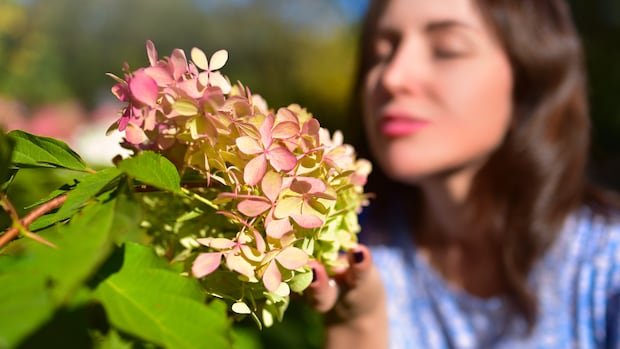
University of Kent researcher Kate McLean-Mackenzie leads “smell walks” in various cities. During these walks, participants rely solely on their sense of smell to perceive their surroundings. The aim is to focus on both distant and nearby scents. McLean-Mackenzie believes that experiencing places through our noses, in addition to our eyes, is essential.
Through her work over the past 15 years, McLean-Mackenzie has studied and documented the scents of 40 towns and cities worldwide for her upcoming book, “Atlas of Scents and Smells.” She describes a “smellscape” as the olfactory version of a visual landscape, mapping out these scents based on data collected during smell walks in different locations.
For instance, Antarctica’s smellscape includes the odor of a dead seal and the machinery at the Rothera Research Station. In Kyiv, Ukraine, the city’s scent was a blend of its history, featuring notes of pine forests, rivers, and elements of summer during winter.
McLean-Mackenzie stresses the importance of preserving scent records as scents evolve with changes in time, place, and industries. She highlights the fleeting nature of smells, recounting how scents in Montreal changed from early morning tree aromas to urban scents as the day progressed.
Beyond just identifying scents, McLean-Mackenzie emphasizes the emotional impact of scents on individuals. She finds joy in the stories and emotional connections people have with scents. Her favorite scent is the garden shed, appreciating the diverse mix of aromas it offers.
She believes that every place holds a unique and complex smellscape, showcasing the diversity of scents in different locations. The work is not just about cataloging scents but also about capturing the essence of how scents evoke feelings in people.

