

Andy Burnham expressed the sentiments of numerous soccer enthusiasts by asserting that the World Cup is more than a commodity; it is the premier competition in global sports and should not be up for sale to anyone.
UEFA echoed these sentiments, emphasizing that the essence and governance of football should not be treated as tradable assets, and that FIFA does not hold the right to sell them. Both Burnham and UEFA’s stance are valid. However, Gianni Infantino appears resolute in his efforts to market a portion of the World Cup as if it were an inherited property he is eager to cash in on.
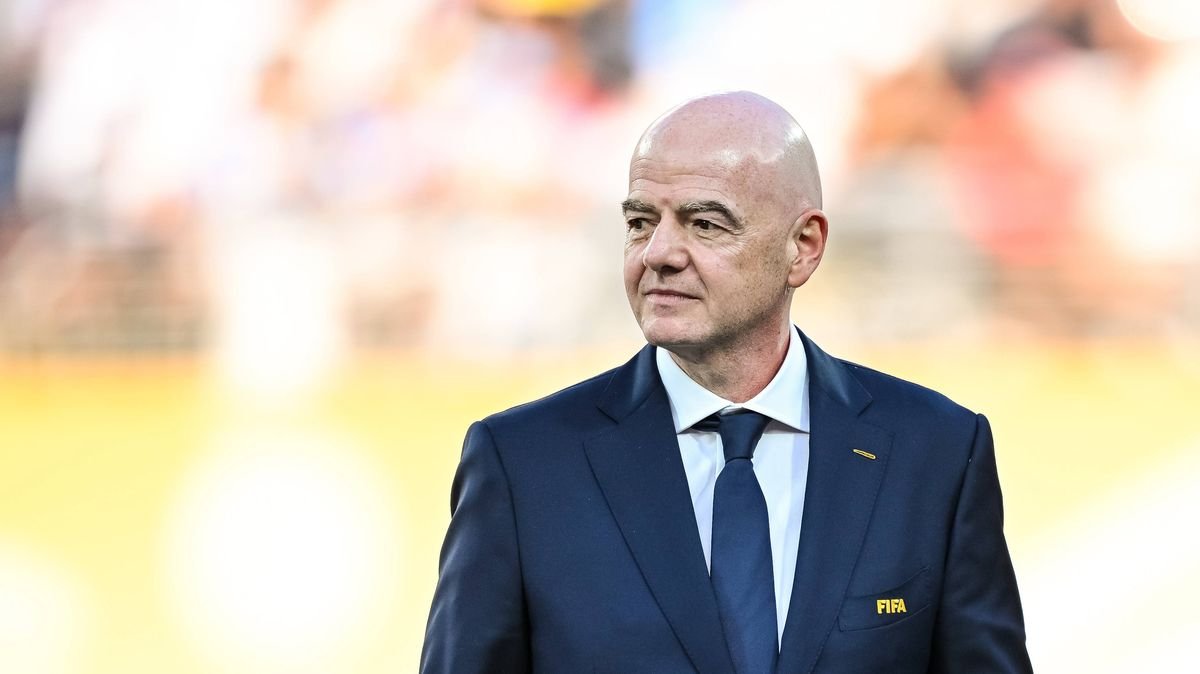
FIFA intends to transfer the commercial activities of its major tournaments to a newly formed £15 billion corporation and sell up to 21% of it to private investors, potentially raising £3.2 billion. Each of FIFA’s 211 member associations could be offered a stake valued around £15 million. Infantino is seeking approval from national federations to divide their shared legacy while dangling a lucrative offer in front of them. He pitches it as a transformative opportunity, but supporters view it as a compromise of principles.
There used to be a clear distinction between profiting from the World Cup and relinquishing ownership of its operational machinery. Infantino is now striving to blur that line, erase it, and charge a fee to even the sponsors.
He maintains that FIFA would retain control. However, the previous World Cup illustrated the implications of such control: a collision with the American commercial mechanism, where every break was a marketing opportunity. Advertisements for cars, beer, and insurance infiltrated the game during hydration breaks, disrupting the flow of play.
Simultaneously, the inaugural World Cup final halftime show attempted to emulate the Super Bowl with a football match in place of helmets.
Once corporate interests infiltrate, no aspect of the sport remains immune to commercialization. What were once considered missteps now appear to be strategic moves to extract more value from the World Cup. This transformation does not signify progress but rather the transformation of a prestigious sporting event into a branded content platform interspersed with football.
The lack of transparency exacerbates the situation. UEFA criticized the lack of openness in the proposal, with Asian and North American bodies reportedly excluded from consultations. Infantino orchestrated the future of football behind the backs of stakeholders expected to endorse it, despite being merely a steward of the game. He did not create the World Cup, score its goals, or establish its legacy, yet he behaves as though he possesses full control over its assets.
The involvement of potential investors raises further concerns. The leading entity in the deal, Thrive Eternal, is linked to Joshua Kushner, the brother of Jared Kushner, Donald Trump’s son-in-law and senior advisor. While no illegal activities are implied, the connection to the Trump administration raises suspicions, given the Kushner family’s ties to the President.
This association intensifies apprehensions about Infantino’s deferential relationship with Trump, whom he has seemingly courted for an extended period. FIFA leased offices in Trump Tower, and Infantino created a peace award, presenting the first one to Trump. These actions suggest a cozy rapport akin to seeking approval from a high-profile figure. The recent collaboration involving a company connected to Trump’s family members only amplifies these concerns.
The scrutiny has not relented. Congressman Jamie Raskin, a prominent Democrat, has demanded an investigation into potential dealings between Trump and Infantino, labeling FIFA as Trump’s favored enterprise for illicit activities in the realm of global sports.
Infantino must address these allegations instead of dismissing them as baseless attacks. Such responses are common among influential figures facing scrutiny.
The football community must reject this proposed deal. Selling a portion of the World Cup could lead to increased commercialization, more interruptions during games, and elevated ticket prices. Infantino initially vowed to reform FIFA but risks being remembered for transforming the World Cup into a commercialized spectacle catering to vested interests.
Infantino’s cavalier treatment of the World Cup as a personal revenue stream warrants his removal from office. However, his support among smaller nations, enticed by FIFA’s financial support, has enabled him to retain his position.
The responsibility for safeguarding the World Cup was bestowed upon Infantino; it was never his prerogative to commercialize it.

