

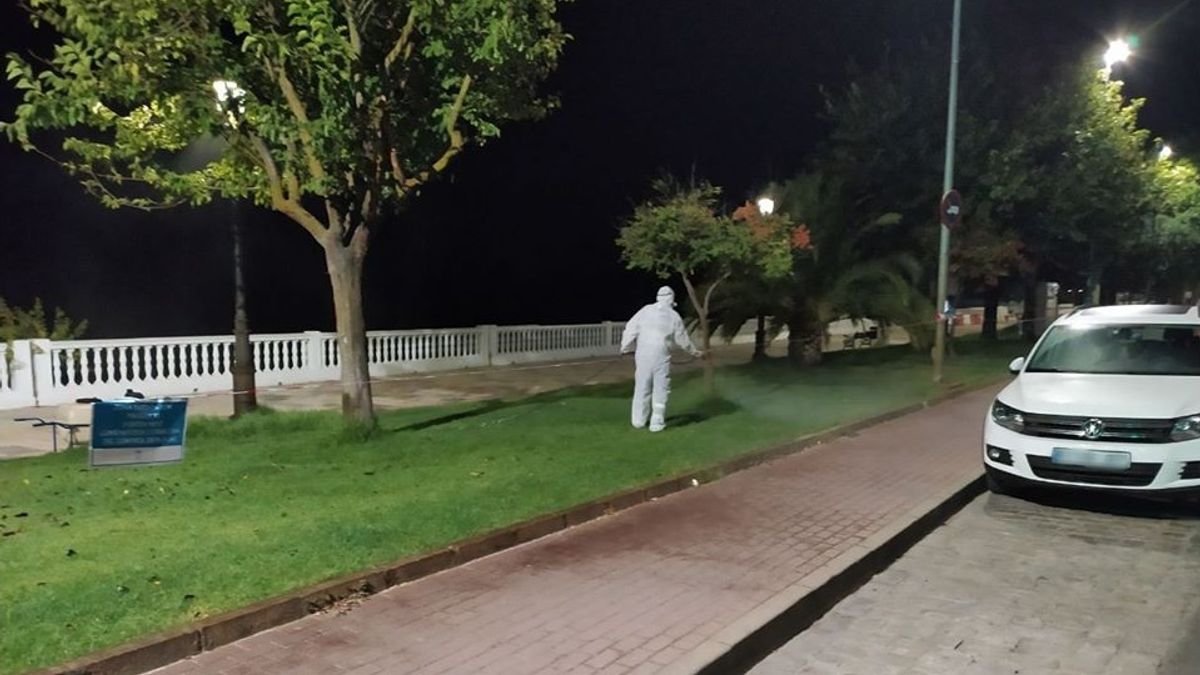
Popular Spanish tourist destinations are on high alert following cases of the dangerous West Nile virus affecting individuals in the area.
Mosquitoes carrying the virus have been discovered in Fuengirola and Mijas, both frequented by many British tourists annually. Health authorities confirmed the presence of these disease-carrying insects in traps set up in these municipalities.
The Andalucían government has issued alerts in Bollullos de la Mitación, Fuengirola, and the vicinity of Las Lagunas in Mijas.
These alerts will be in effect for a minimum of four weeks or until a period passes without any reported illnesses or virus traces being found.
Intensified monitoring of insects, animals, and humans is underway, with public warnings being disseminated through pharmacies and medical professionals. Health officials have notified the city councils of Coria, Bollullos de la Mitación, Fuengirola, Mijas, as well as the provincial councils of Seville and Malaga.
Currently, there have been five confirmed cases of individuals diagnosed with the virus. The initial case was identified in a man residing in Coria del Río, Seville, who displayed symptoms on July 17, with the confirmation coming after tests conducted at the Virgen del Rocío University Hospital in Seville.
A health department spokesperson mentioned that this is a mild case detected through the surveillance program for West Nile Fever vectors in Andalusia, focusing on residents and visitors in monitored regions or those under alert status. Consequently, the alert period for this Sevillian municipality has been extended until August 14.
With Bollullos de la Mitación, Fuengirola, and Las Lagunas on alert, a total of 15 Andalusian municipalities are now under surveillance for the virus. These include Pulpí in Almeria, Torredonjimeno in Jaén, and Salobreña in Granada, among others.
Furthermore, efforts are being made to address the increasing mosquito densities, with specific areas in various municipalities showing higher mosquito presence. The Ministry of the Presidency, Health, and Emergencies is urging councils and citizens to adopt protective measures, especially for vulnerable individuals.
Health professionals emphasize the importance of using authorized mosquito repellents, wearing appropriate clothing to cover exposed skin, and avoiding strong scents that can attract mosquitoes.
Authorities have advised implementing domestic measures like installing mosquito nets, using household insecticides, and eliminating stagnant water sources to prevent mosquito breeding.
The West Nile Virus is primarily transmitted by mosquitoes that bite infected birds, subsequently spreading the virus to humans and horses. While many infected individuals may not show symptoms, the virus can lead to severe health complications and even fatalities.
According to WHO data, around 20% of infected individuals experience symptoms such as fever, headache, fatigue, and body aches. Neuroinvasive diseases like encephalitis or meningitis may occur in rare cases, particularly affecting people over 50 or those with weakened immune systems.
Andalusia has witnessed at least 10 fatalities from the virus in past years.