

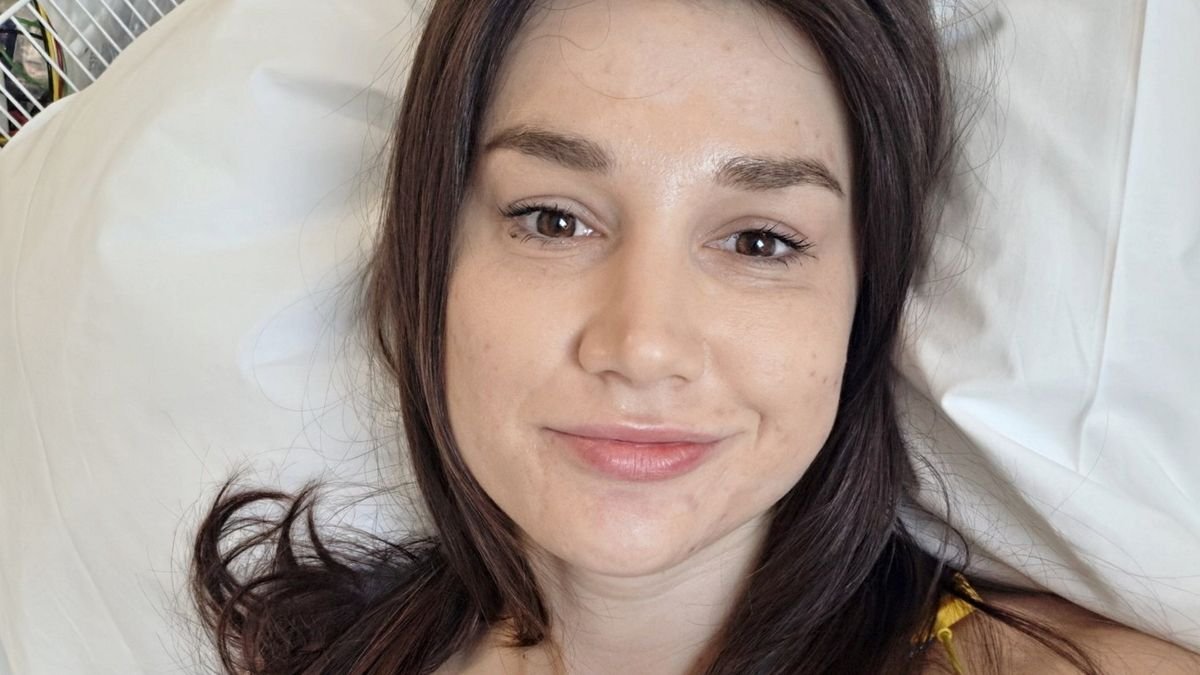
A 33-year-old woman, Denisa Fraser, who had been experiencing dizzy spells, attributed them to her lack of fitness until she discovered she had been living with two rare heart conditions. Denisa, residing in Horsham, West Sussex, initially dismissed her dizzy spells and faintness as signs of being unfit or stressed. However, during a free workplace health assessment at the Clevedon Clinic London Hospital in March 2026, she was diagnosed with Wolff-Parkinson-White syndrome, a rare heart rhythm disorder.
Further examinations revealed that Denisa had a large coronary sinus diverticulum, a rare pouch in a vein of her heart that complicated the treatment process. Following two operations to address the abnormal electrical pathways in her heart, including an extensive eight-hour procedure, Denisa was able to resume exercise without experiencing any symptoms.
Originally from Czechia, Denisa expressed her surprise, stating, “I genuinely thought everyone felt like that. I thought it was just going to be an MOT because I considered myself healthy.” She engaged in activities like yoga, spin classes, and running, attributing her struggles during exercise to lack of fitness rather than an underlying health issue.
Despite facing dizziness, faintness, and rapid heartbeats during physical activities, Denisa believed these symptoms were normal and attributed them to her fitness level. She even undertook extreme measures such as cold plunges to regulate her heart rate, assuming it was a matter of physical conditioning.
During the routine health assessment, Denisa expected minimal intervention but was surprised when doctors delved deeper into her symptoms, leading to the diagnosis of Wolff-Parkinson-White syndrome. A subsequent procedure uncovered the presence of a rare heart vein pouch, complicating the treatment process and necessitating a second operation.
On May 22, Denisa underwent an eight-hour procedure to address the abnormal heart rhythm, leading to significant improvements in her overall well-being. Post-surgery, she noticed a calmer demeanor, easier breathing, and a lower heart rate, both during exercise and daily activities. Reflecting on her experience, Denisa emphasized the importance of not ignoring persistent symptoms and advocated for regular health check-ups to detect potential health issues early on.
Denisa’s advice to others is to prioritize their health and not dismiss symptoms as normal, especially if they persist. She encourages individuals to undergo health assessments regardless of age or fitness level, emphasizing the significance of early detection in managing health conditions effectively.

