

Just a couple of months ago, my stroll through the RSPB’s leading Minsmere reserve was filled with the harmonious melodies of birds in the reedbeds.
The air was alive with newly hatched chicks, bustling courtship displays, and territorial defense activities. Witnessing a booming Bittern and the sudden, powerful song of a Cetti’s Warbler left me in awe of nature’s wonders.
Nick Forster, the reserve’s manager, highlighted the site’s support for over 6,700 species of birds, plants, and trees due to its diverse habitats, establishing it as one of Britain’s most biodiverse wildlife sanctuaries. The recent destruction caused by the wildfires is a tragic blow to the flourishing life in the area.
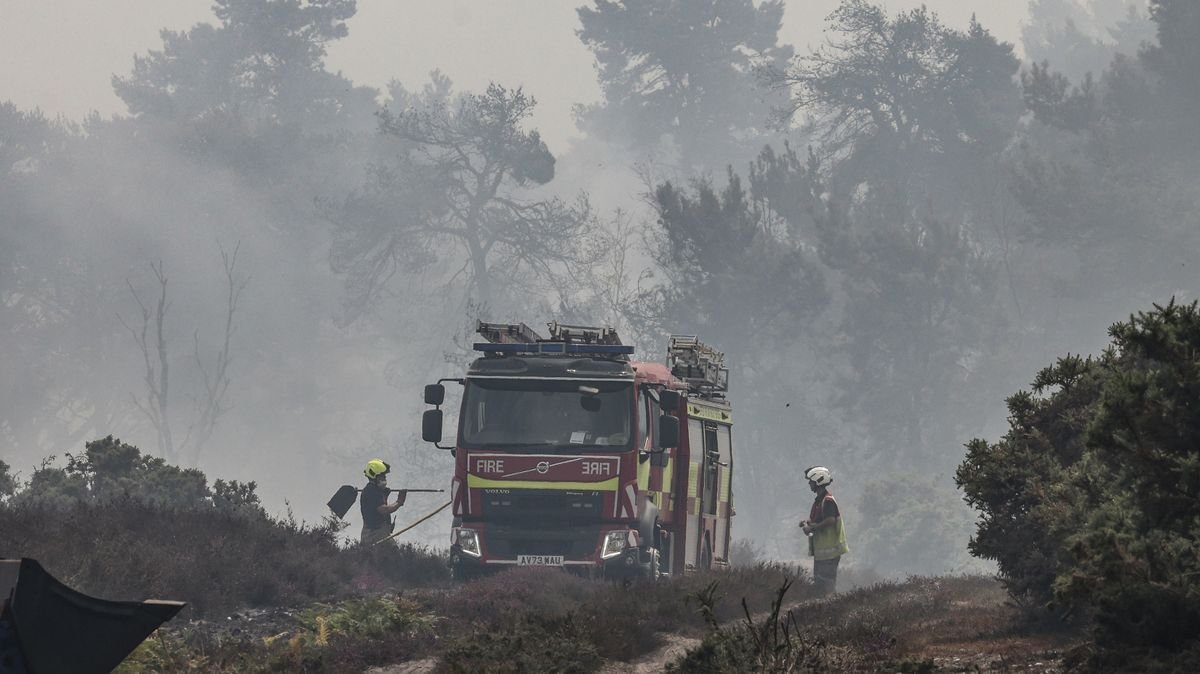
Devastatingly, more than 250 acres of crucial heathland, equivalent to about 140 football fields, were obliterated by the flames that swept through Dunwich Heath in Suffolk during the fourth heatwave in Britain. This catastrophe also affected parts of the Minsmere reserve, a habitat for rare and vital bird and reptile species.
Estimations suggest that it may take up to 25 years for this precious ecosystem to fully recover from the devastation. Adam Rowlands, Suffolk’s RSPB area manager, expressed the profound impact of this incident, marking it as the largest fire in the reserve, which is approaching its 80th anniversary – a prominent location for BBC Springwatch in recent years.
The reserve draws tens of thousands of visitors annually, all eager to catch a glimpse of Britain’s rarest wildlife. Despite Dartford Warblers, Woodlarks, and Nightjars having a successful breeding season this year, the destruction of their habitat poses a severe threat to their future.
The aftermath of the fire spells out a scene of desolation, with vegetation loss and nesting sites destroyed, leaving many birds vulnerable. The recovery process is expected to be prolonged, with some habitats taking decades to return to their former state.
While the exact cause of the fire remains unknown, concerns about the escalating wildfire risk due to climate change are growing. The fire at Dove Stone Reservoir in the Peak District National Park and the catastrophic wildfires in the Cairngorms National Park further underscore the vulnerable state of wildlife across the UK.
From the south in Suffolk to the northern Highlands of Scotland, the impact of scorching temperatures on Britain’s wildlife is evident. The relentless heat spells are taking a toll on the country’s unique species and habitats, signaling a challenging road to recovery ahead.
As the flames subside, the journey to rehabilitation for these rare species and habitats is just commencing, promising a long and arduous path towards restoration and conservation.

