

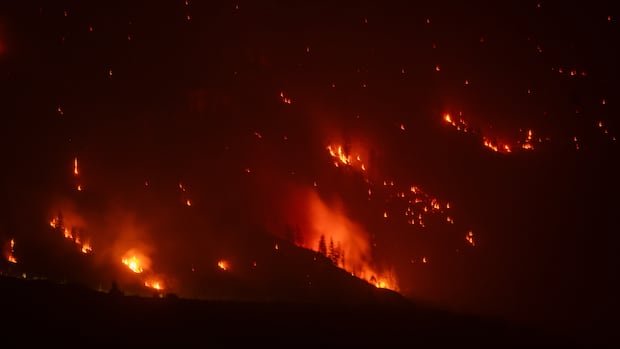
Fast-moving wildfires in British Columbia have forced numerous residents to evacuate, leading to a provincewide state of emergency declaration. The heightened wildfire risks are attributed to high temperatures and strong winds, prompting firefighting efforts to contain the blazes.
The ongoing wildfire situation in British Columbia and across Canada remains a concern as fire danger assessments play a crucial role in resource allocation and response strategies. These assessments consider various factors like weather conditions, fire locations, and available fuels that could exacerbate fire growth.
The impact of this summer’s wildfires extends beyond evacuation orders, with widespread air-quality warnings issued due to smoke dispersion over vast areas. Health Canada notes that smoke from active fire zones can travel thousands of kilometers, affecting air quality and triggering health advisories.
Furthermore, the Air Quality Health Index (AQHI) serves as a vital tool to gauge the health implications of air quality levels. Environmental and Climate Change Canada emphasizes that an AQHI reading of seven or higher on the 10-point scale indicates high-risk air quality conditions. Individuals, especially the elderly, young children, and those with pre-existing health conditions, are advised to limit outdoor activities or reschedule them when air quality poses risks.
The spread of Canadian wildfire smoke into the United States underscores the regional impact of these environmental challenges. Staying informed about air quality alerts and taking necessary precautions are essential during these critical periods to safeguard public health.