
A senior official from the United Nations health agency is seeking more details from Russia regarding the mysterious death of a lab worker in Siberia amidst fears of plague. The 28-year-old woman, identified as Darya Shipilova in Russian media reports, passed away on October 2, sparking concerns that she might have succumbed to pneumonic plague related to pathogens she handled at the Irkutsk Anti-Plague Research Institute.
Maria Van Kerkhove, the director of epidemic and pandemic management at the World Health Organization (WHO), expressed uncertainty about the cause of the woman’s death and emphasized the necessity for additional information during a press briefing in Geneva. The WHO is also investigating unconfirmed reports of a possible second case of pneumonia linked to the same Siberian lab.
While Russia’s health watchdog, Rospotrebnadzor, stated that extensive testing did not reveal any evidence connecting the lab worker’s illness to the pathogens she was exposed to, the WHO acknowledged the presence of common respiratory infections like pneumonia, COVID-19, and rhinovirus among the individuals monitored post the incident.
The WHO has requested more transparency from Russian authorities regarding the circumstances surrounding the lab worker’s death, the potential pathogens involved, and the reported second case of pneumonia. Despite assertions from Moscow that there have been no recent plague cases in the region, the WHO is awaiting further clarification on the situation.
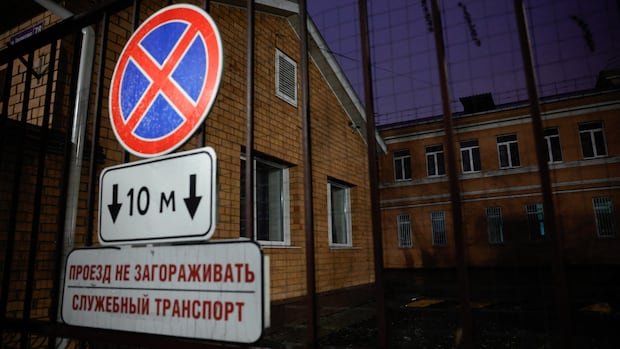
The deceased lab worker’s mother, as described by independent news reports, remembers her daughter as a dedicated and hard-working individual, highlighting the strict safety protocols at the research facility. The hospital where she passed away remains under quarantine, with medical authorities closely monitoring all contacts.
While international attention is focused on the case, Russian state-controlled media have refrained from discussing the possibility of pneumonic plague, leading to speculation and questions about the lack of information provided. Experts emphasize the importance of transparency in such situations to maintain public trust and address concerns effectively.

