
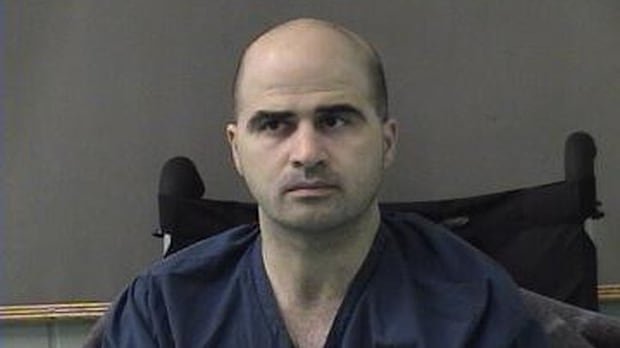
The ex-U.S. army officer found guilty of killing 13 individuals in the 2009 shooting spree at Fort Hood, Texas, is set to face execution by firing squad in December. This would mark the first U.S. military execution in more than 65 years. Acting Secretary of the U.S. Army, Adam Telle, confirmed via social media that Army Major Nidal Malik Hasan is scheduled for execution on December 3 at Fort Hood, following approval from President Donald Trump.
The announcement startled an attorney who had represented Hasan in a civil case and sparked concerns among military law experts regarding the execution process and notification procedures for condemned prisoners. Questions arose about the assembly of the firing squad and the specific procedure it would follow, as the last military firing squad execution occurred shortly after World War II.
Regarding the formation of the firing squad, Telle’s post on X revealed that Trump’s approval on October 2 initiated the countdown outlined in army regulations, requiring an execution date to be scheduled within 60 to 150 days of approval. However, details regarding the location on the base, squad members, and execution procedure were not disclosed. Requests for more information from Pentagon officials and the army were declined.
The military execution process lacks specific protocols for different execution methods, but historical references suggest that in past firing squad instances, one shooter would receive a blank round to maintain ambiguity about who fired the fatal shot.
Hasan, an army psychiatrist, carried out the shooting at Fort Hood motivated by preventing soldiers from deploying to Afghanistan. He represented himself during his trial, admitting to being the shooter and aligning himself with the opposing side. Legal expert Eugene R. Fidell mentioned that Hasan could potentially prolong the execution process by seeking a Habeas Corpus petition in federal civilian court, a legal avenue to challenge the lawfulness of imprisonment.
The resumption of federal executions under the Trump administration led to a notable increase in executions, making Trump the most prolific execution president in over a century. Death sentences within the military justice system are rare, and executions are even more infrequent. Hasan is among four individuals on death row at Fort Leavenworth, Kansas, with the last execution there taking place in 1961 by hanging.
Concerns were raised by John Galligan, Hasan’s former attorney, regarding the rushed execution process and the lack of legal representation during notification. Hasan’s physical condition, being paralyzed from the waist down and using a wheelchair, raised transport logistics issues to Fort Hood for the execution.
Speculation arose about the firing squad execution location, with suggestions that the army might consider states like South Carolina or Utah, which have reinstated firing squads. South Carolina’s firing squad protocol involves three shooters standing a set distance from the prisoner, with live ammunition and no verbal warning before firing simultaneously. South Carolina spent approximately $54,000 to upgrade its death chamber for firing squad executions.

