

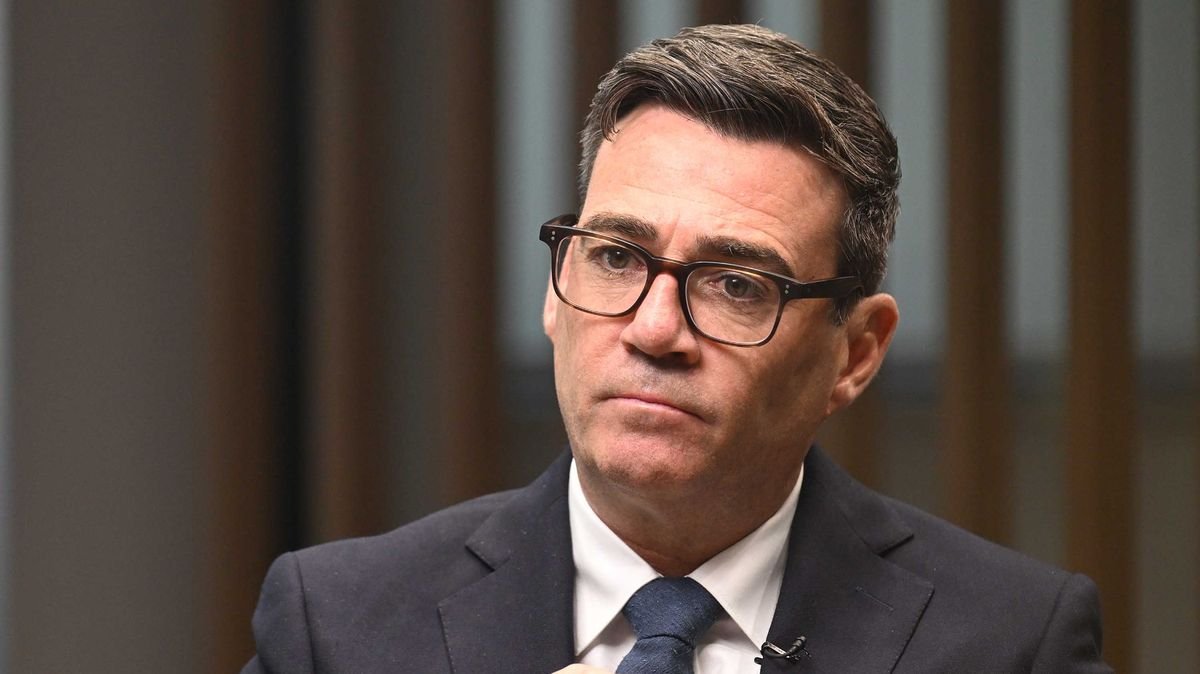
Andy Burnham is reportedly contemplating a potential introduction of a new “death tax” scheme to generate substantial funding for adult social care. During his tenure as health secretary under Gordon Brown from 2009 to 2010, Burnham advocated for replacing the Inheritance Tax with a 10% levy on all estates to finance free social care.
When asked about his current stance on this proposal, his official spokesperson stated that they were awaiting Burnham’s forthcoming update on the issue, expected later in the week. The spokesperson emphasized Burnham’s acknowledgment that implementing a new system would require time but highlighted the repercussions of not doing so, warning of the strain on the NHS from caring for individuals who do not necessarily require NHS services.
The new Prime Minister is scheduled to address social care matters this Wednesday but indicated in a recent BBC interview that providing a definitive timeline was not feasible at that moment. Instead of immediate changes, the PM may announce an acceleration of the Casey Commission, an independent review focused on adult social care.
Few families currently face Inheritance Tax obligations due to existing rules and allowances. In the UK, approximately 31,500 estates incur an Inheritance Tax charge annually, applicable to estates exceeding £325,000, with a standard tax rate of 40% on the value surpassing this threshold.
However, the Inheritance Tax threshold can vary significantly based on the beneficiary; for instance, no tax is imposed when an estate is left to a spouse or civil partner. Additionally, a £175,000 allowance is granted when gifting a home to children or grandchildren, raising the total Inheritance Tax threshold to £500,000.
Furthermore, any unused Inheritance Tax allowance in a marriage or civil partnership can be transferred upon death, potentially allowing couples to pass on up to £1 million tax-free. Various strategies exist to minimize Inheritance Tax liabilities, such as reducing the tax rate to 36% by donating a portion of the estate to charity.
Introducing a 10% levy on estates would result in a direct payment based on the estate’s value, with higher-valued estates incurring larger sums compared to the current Inheritance Tax structure. For instance, an estate valued at £400,000 without exemptions would face a £30,000 tax bill under existing rules, which would increase to £40,000 with a universal 10% levy.
Starting from next year, more families are expected to be affected by Inheritance Tax as pensions will be included for the first time, potentially impacting over 10,500 estates. Inherited pensions will be subject to Inheritance Tax from April 2027, leading to increased tax liabilities for beneficiaries and a higher number of estates liable for tax on pension funds.

