

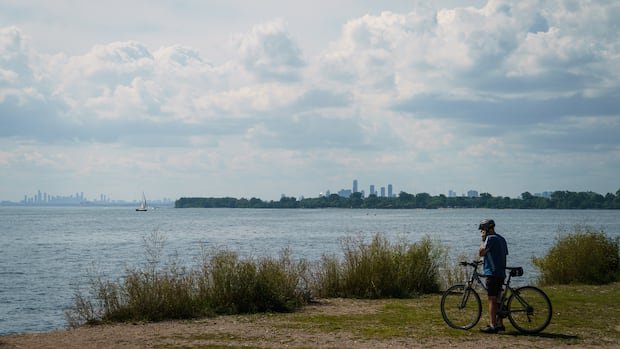
The Great Lakes, a significant reservoir of freshwater and a critical water source for around 40 million individuals, have traditionally symbolized the close connection between Canada and the U.S. President Donald Trump recently made a bold move in his trade dispute with Canada by signing an executive order to change the name of Lake Ontario to Lake America.
Although it remains uncertain if Trump can single-handedly alter the lake’s name, which has been internationally recognized for centuries and predates European colonization, this action reflects a broader trend of the Trump administration hindering collaborative efforts between the U.S. and Canada on scientific research and conservation efforts in the Great Lakes region.
According to Aaron Fisk, a professor at the University of Windsor’s Great Lakes Institute for Environmental Research, the current U.S. administration’s stance on environmental issues and science is disheartening. Fisk emphasized the importance of evidence-based environmental decisions and expressed concerns about the implications of moving away from such principles.
The Trump administration’s significant budget cuts to key U.S. scientific agencies like the National Oceanic and Atmospheric Administration and the Environmental Protection Agency have impacted monitoring and research activities in the Great Lakes. Joel Brammeier, the president and CEO of the Alliance for the Great Lakes, emphasized the necessity of collaboration between the U.S. and Canada for effective management and restoration of the shared Great Lakes ecosystem.
Despite the budget cuts, bipartisan support has emerged for the Great Lakes Restoration Initiative, a longstanding program aimed at ecosystem restoration and pollution cleanup. The U.S. House of Representatives recently approved the reauthorization of this program with substantial federal funding, showcasing bipartisan cooperation in safeguarding the Great Lakes.
The industrial history of the Great Lakes region, which has been a hub for steel, chemical, and aluminum manufacturing, has left a legacy of environmental contamination. This legacy has spurred widespread support for restoration programs as communities witness the environmental harm in their own backyards.
In addition to historical pollution, climate change poses new challenges to the Great Lakes region, including extreme weather patterns and shifting precipitation. Experts warn of emerging challenges related to water availability and increased water demand from various sectors, necessitating careful monitoring and cross-border collaboration to address future environmental threats.
As the region grapples with these challenges, stakeholders are working to ensure the sustainable management of Great Lakes water resources. Efforts to “future-proof” agreements governing water usage in the Great Lakes basin are underway to address the anticipated rise in demand and pressures from external sources seeking access to this vital resource.

