

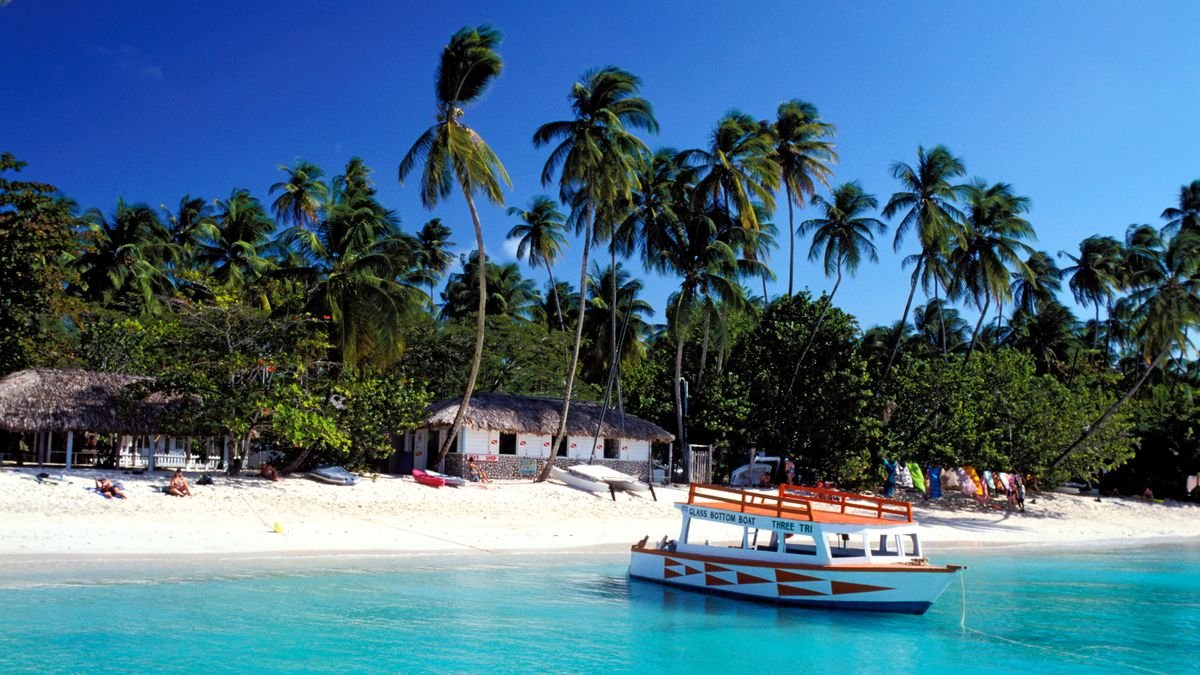
Trinidad and Tobago, once a sought-after destination for Britons with its idyllic beaches and vibrant carnival, has now turned into a perilous place marred by violence and crime. Gunmen roam freely, gangs rule neighborhoods, and foreign residents are targeted for their perceived wealth. Behind the picturesque coastlines, residents live in fear, with homes barricaded, establishments closing early, and security dogs patrolling gated communities.
The recent tragic incident involving Elaine McGowan, a former pub owner from Kent, exemplifies the escalating dangers in Trinidad and Tobago. Elaine, along with her husband, was attacked outside her godfather’s residence, resulting in her untimely death. This incident adds to a series of violent crimes targeting British expatriates in the region, including the brutal murders of solicitor Richard Wheeler and his wife Grace, and the fatal shooting of promising cricketer Adrian St John.
The escalating violence in Trinidad and Tobago, driven by drug trafficking, gang conflicts, and the proliferation of firearms, has transformed the once peaceful nation into one of the most dangerous places in the world. The country witnessed a record number of murders last year, with a significant rise in gang-related killings. The situation has deteriorated to the extent that residents live in constant fear, with crime spilling into affluent neighborhoods and broad daylight.
Efforts by the government to curb the violence, including imposing states of emergency and enhancing police powers, have shown some temporary respite in the murder rate. However, the underlying issues fueling the crisis, such as gang control and drug trade, remain deeply rooted in Trinidad and Tobago’s societal fabric. The country’s proximity to drug trafficking routes and historical ties to organized crime have further exacerbated the situation.
The alarming trend of violent attacks on foreign couples, coupled with a rise in asylum applications from Trinidad and Tobago, underscores the widespread impact of the country’s deteriorating security situation. The fear of crime has not only affected residents’ daily lives but also threatens the tourism industry and expatriate communities in the region. Despite its natural beauty and cultural richness, Trinidad and Tobago now grapples with a reputation overshadowed by violence and insecurity.
As the specter of crime looms large over the once-idyllic islands, residents and visitors alike find themselves navigating a landscape fraught with danger and uncertainty. The Caribbean dream has given way to a harsh reality where safety is a luxury and paradise is marred by violence. The resilience of Trinidad and Tobago’s people and the beauty of its landscape stand in stark contrast to the shadows cast by the growing threat of crime.

