
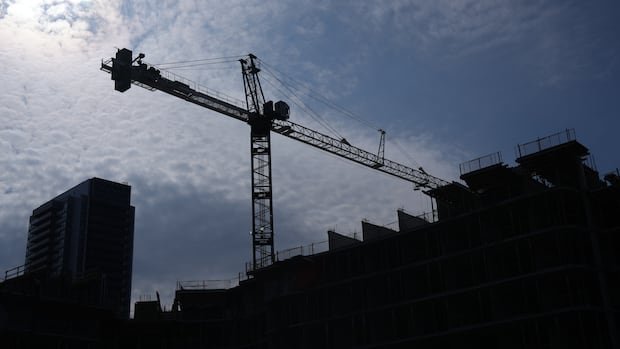
The Toronto Region Board of Trade is calling for changes to zoning and building code regulations, stating that Ontario is at risk of missing its target of constructing 1.5 million new homes by 2031. According to a recent report, the province is projected to fall short by over 550,000 homes by 2029, even if housing production ramps up in the next five years.
Giles Gherson, the board’s president and CEO, emphasized the significant gap in housing development, which has been a longstanding issue termed the housing crisis. Despite efforts to address the shortfall and expedite home construction, the gap persists.
The report highlights the need for immediate adoption of ambitious reforms, acknowledging that municipalities would need time to update plans, adjust zoning regulations, coordinate infrastructure investments, service land, and process applications. This process could extend beyond 2031, rendering the current goal unattainable.
Gherson emphasized that regulatory changes are vital to accelerating new development. He criticized the fragmented and outdated zoning and building code rules across the province, noting the multitude of requirements in Toronto alone, hindering standardized production and leading to increased costs and delays.
The report proposes the establishment of a province-wide zoning code to provide uniform standards and terminology for all municipalities. This code could streamline the approval process for housing types such as townhouses and multiplexes and impose province-wide limits on restrictive rules like parking, setbacks, lot coverage, height, density, and upper-storey setbacks.
Additionally, the report suggests revising building codes to evaluate the cost implications of each requirement over a building’s lifespan. It recommends permitting single-stair buildings up to six storeys and installing smaller elevators in smaller buildings while prioritizing safety and accessibility.
Gherson pointed to successful housing growth models in other Canadian cities like Edmonton, where flexible zoning regulations have facilitated diverse housing types in various neighborhoods. He urged Ontario to learn from these examples to spur meaningful housing development.
As Toronto continues to grapple with housing affordability challenges, despite recent price declines, the report underscores the need for increased home supply to ensure long-term affordability. The average selling price in the Greater Toronto Area decreased slightly in August, yet housing remains unattainable for many residents compared to previous decades, with home prices significantly outpacing inflation rates.
The report warns that without sustained construction of new homes, recent affordability improvements may be short-lived, emphasizing the critical role of ongoing housing development in ensuring affordability for residents.

