

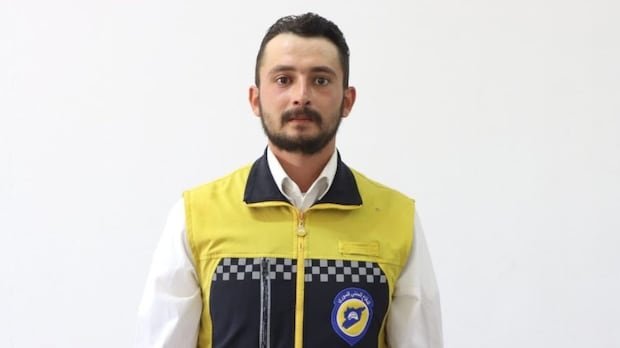
Syrians have taken to the streets recently to demand justice for Mohammad Ghamira, a Syrian man who passed away in a hospital following alleged mistreatment by security forces during his detention. This incident occurred less than two years after the new government pledged to move away from the pervasive arbitrary detentions and abuses that characterized the previous regime.
Ghamira, a 29-year-old father of two, suffered from hemophilia, a rare genetic disorder that affects blood clotting. He was held in custody for three days before being released on August 9 and immediately hospitalized. Sadly, he succumbed to his condition a week later.
The death of Ghamira has become a critical test for Syria’s new government to demonstrate its commitment to accountability in the post-Assad era, which lasted over five decades. The incident has sparked peaceful demonstrations and sit-ins across the country this week, shedding light on the broader issue of alleged mistreatments in detention centers under the new administration.
Fadel Abdulghany, the Executive Director of the Syrian Network for Human Rights (SNHR), emphasized the need for a comprehensive and transparent investigation into Ghamira’s death to ensure accountability and systemic reforms within the country’s detention practices.
Ghamira, a former volunteer with the White Helmets, was detained on suspicion of theft by the Latakia Internal Security Command. Despite his family’s warnings about his medical condition, he was reportedly mistreated while in custody, leading to his tragic demise shortly after his release.
The Interior Ministry of Syria has initiated an investigation into Ghamira’s death, detaining seven ministry personnel for questioning. However, concerns remain about the effectiveness and independence of the internal inquiry process in delivering justice and preventing future abuses in detention centers.
Various human rights groups and organizations, including Families for Freedom, have called for an impartial investigation, public disclosure of findings, and systematic reforms to address the persistent mistreatment in detention facilities. The need for structural changes to ensure the prevention of such abuses and uphold human rights in the new Syria has been underscored by these groups.

