
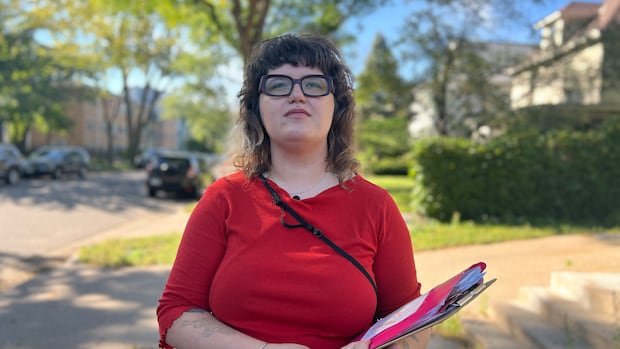
Community members in St. Paul, Minnesota, are attending “democracy defender” training sessions organized by grassroots groups to prepare for potential disruptions during the upcoming Nov. 3 midterms. They are learning to organize neighborhood groups, establish communication networks, and plan responses to possible scenarios like misinformation about voting rules or federal officers trying to enter polling places.
Helen Kouba, motivated by past events like Operation Metro Surge, where federal immigration officers caused turmoil in Minnesota earlier this year, expressed her disappointment in systems she once trusted. The community response to Metro Surge, including citizens recording ICE raids and organizing nonviolent resistance, has inspired many to join efforts to safeguard the election process.
Concerns about federal overreach in voting procedures persist, with the Trump administration’s attempts to influence mail-in voting and cast doubt on election integrity. Minnesota Secretary of State Steve Simon acknowledges the need to plan for potential federal interference, drawing from lessons learned during Metro Surge on effective community pushback against unlawful interventions.
As the midterm elections approach, the Senate race in Minnesota emerges as a crucial battleground that could determine the balance of power in Congress. Political scientist Larry Jacobs highlights the competitive nature of the race, with issues like immigration policies and community responses to past events influencing voter decisions. Immigrant communities, particularly the Somali population, are expected to play a pivotal role in shaping the election outcome.
Individuals like Salman Fiqy, who formerly supported the Republican Party but distanced themselves after negative remarks towards the Somali community, emphasize the importance of engaging immigrant voters. Fiqy’s experience reflects a shift in political allegiances driven by events like Metro Surge, prompting a reevaluation of party affiliations and a call for meaningful outreach to immigrant communities.
The upcoming Senate race in Minnesota underscores the significance of community engagement and the potential impact of past events on voter behavior, setting the stage for a closely contested election with implications for national political dynamics.

