
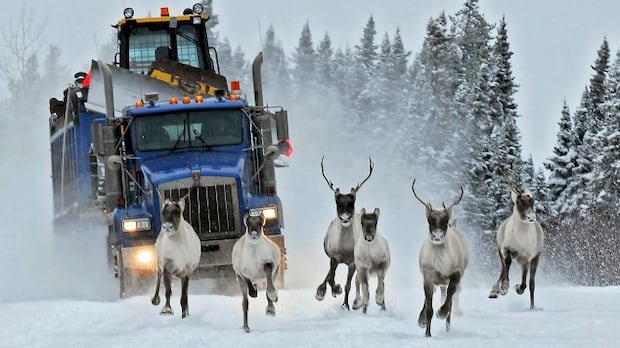
A species facing endangerment in Canada may wait for an extended period for Ottawa to determine its protection status, despite the changing habitat crucial for its survival. According to a recent study, out of 288 species evaluated as at risk since 2017, only 17 reached the Governor in Council within the recommended timeframe. Over half, totaling 153 species, were overdue and still pending a decision as of January 25, 2025.
Among the affected species awaiting listing decisions are caribou, beluga whales, and lake sturgeon, all classified as endangered or threatened. The study highlights a bottleneck in the Species at Risk Act (SARA), where Ottawa has outlined timelines for assessments but lacks a statutory deadline for a critical stage in the process.
Peter Thompson, a postdoctoral researcher at Simon Fraser University and the study’s lead author, emphasized the consistent failure of the government to adhere to the established timelines. One notable case is the Saskatchewan-Nelson River population of lake sturgeon, which missed a federal deadline in 2020 and has been awaiting further steps for five years.
The protection delay is significant as listing a species under SARA can trigger restrictions against harming or capturing it, along with the development of a recovery strategy that identifies essential habitats for conservation. The study points out the vital role of habitat protection, particularly for aquatic species, as it influences their survival across Canadian waters.
Indigenous consultation has also been recognized as a factor in some delays, although experts caution against viewing consultation as a hindrance. The study underscores the need for efficient processes to ensure timely decisions and necessary protections for endangered species.
The study’s findings shed light on the broader issue of the slow pace of species protection measures, urging authorities to streamline the process and provide timely safeguards for vulnerable species.

