

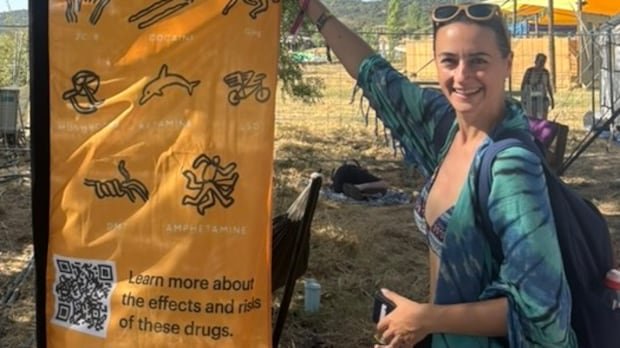
Summer music festivals have long been venues where individuals opt to use psychedelics and other substances.
A team of researchers is examining the implementation of harm reduction strategies at these events and extracting valuable insights from them.
Leading the research is Erika Dyck, a history professor at the University of Saskatchewan and a Canada Research Chair specializing in the history of health and social justice. Dyck has dedicated the past twenty years to studying psychedelics.
According to Dyck, music festivals, being frequent settings for the consumption of these substances, also serve as grounds for the application of harm reduction techniques. She emphasized that despite being recreational spaces, these events foster a culture of mutual care and harm minimization.
Another member of the research team is Kenneth Tupper, an adjunct professor at the School of Population and Public Health at the University of British Columbia. Tupper highlighted that drug testing initiatives originated in Canada within the context of music festivals.
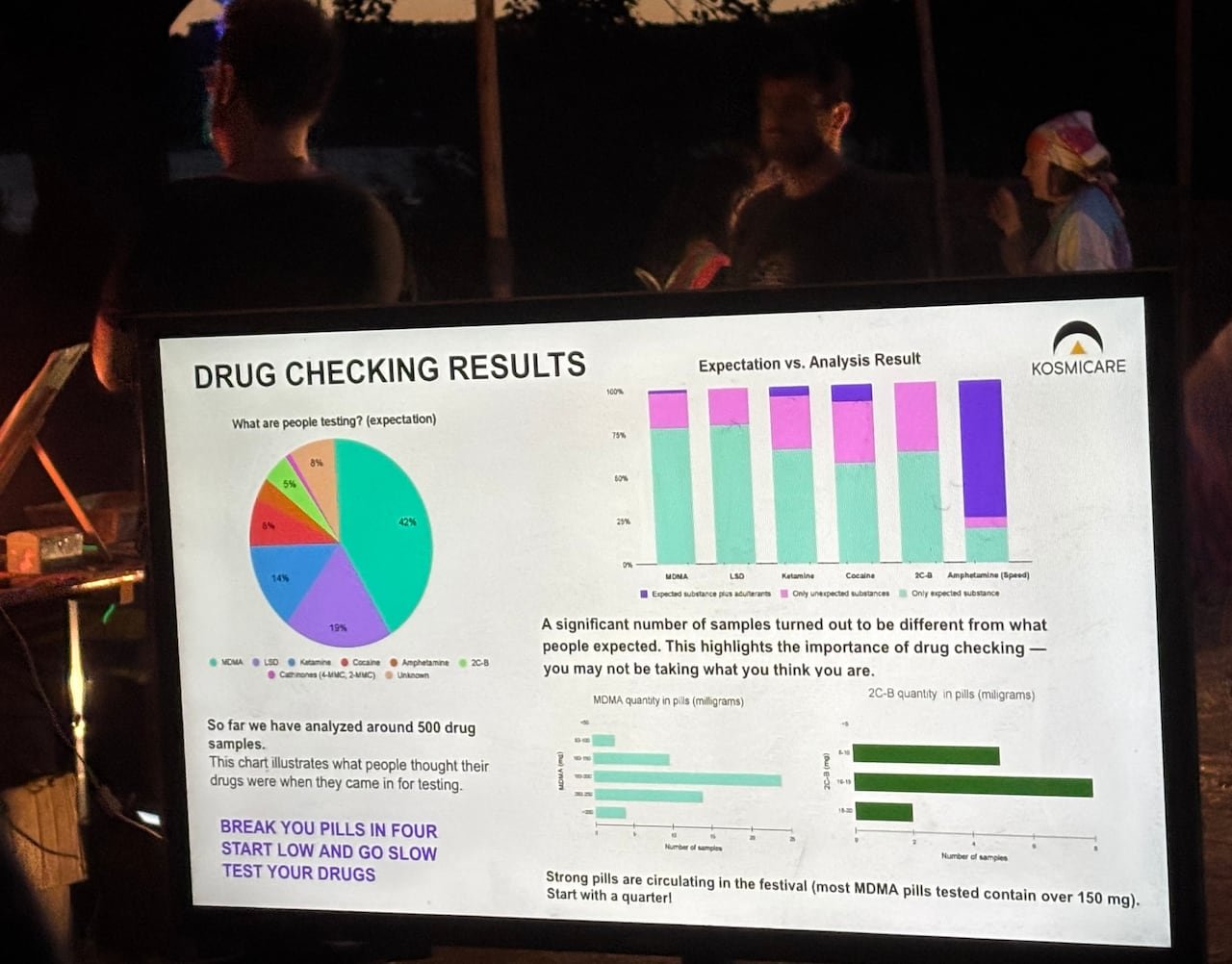
Tupper explained that the adoption of drug checking protocols gained momentum in Canada amid the toxic drug crisis, especially after it was declared a public health emergency in British Columbia around 2016.
He noted that the British Columbia Centre on Substance Use introduced a portable FTIR spectrometer in 2017 for drug testing purposes at festivals like Shambhala and Bass Coast.
The inaugural edition of the Regina Exchange Folk Festival, held this month, prioritized harm reduction and safety measures. Zandra Kaszas, the festival’s artistic director, stressed the importance of being prepared for any potential incidents despite hoping they never occur.
Besides standard safety provisions such as security and hydration stations, the festival also featured an on-site ambulance and a naloxone station provided by the Nēwo Yōtina Friendship Centre (NYFC) to address potential overdoses.
Tupper emphasized the significance of drug testing services in offering individuals certainty before making decisions about drug consumption. He also highlighted the life-saving potential of counseling services to guide individuals through their experiences.