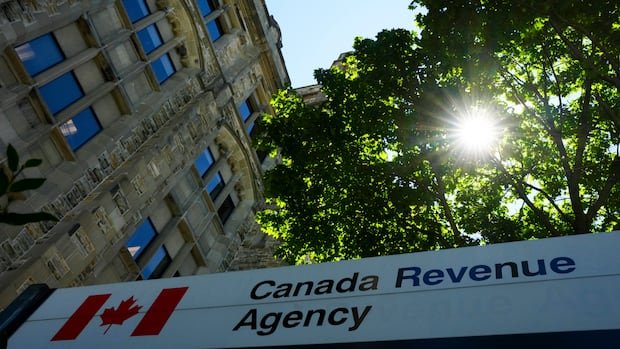
After more than six years since the onset of the COVID-19 pandemic, the federal government is still in the process of recovering billions of dollars that were disbursed to ineligible Canadians as benefits. A recent report by Maytree, a think-tank focusing on poverty, highlights that these collection efforts disproportionately impact low-income individuals who struggle to repay, often resulting in higher costs than recovered amounts. The report calls for a halt to the government’s pursuit of reclaiming pandemic benefits.
A total of approximately $14 billion in COVID-related benefits was distributed by Ottawa to individuals who did not meet the income criteria set by the Canada Revenue Agency (CRA). The majority of these funds were allocated through programs like the Canada Emergency Response Benefit (CERB) and subsequently the Canada Recovery Benefit (CRB). As of the end of November, the CRA reported an outstanding balance of $10 billion, with over $8 billion attributed to CERB and CRB payments.
John Stapleton, co-author of the Maytree report and a social policy expert, emphasized that while some individuals knowingly applied for benefits they were not entitled to, there are also many who inadvertently found themselves in this situation and are facing hardships as a consequence. The government allocated $123 million in Budget 2025 to support the recovery of pandemic benefits over a two-year period starting in 2026-27.
Tyler Meredith, a senior fellow at the Munk School of Public Policy and a Maytree fellow, noted that a significant portion of Canadians with outstanding debts from pandemic benefits are from low-income backgrounds. The intent of the programs, according to Meredith, was to assist those who had suffered income loss due to the pandemic. However, there was a misconception that the benefits were akin to universal income support.
Meredith highlighted that during the launch of pandemic relief programs, the government did not have a clear plan for recouping funds from ineligible recipients. The rapid implementation of programs like CERB, designed within a short timeframe, led to challenges in recovery mechanisms. While the government allows for interest-free repayment, the legislation governing CERB lacks provisions for negotiating settlements or forgiveness of debts.
Regarding the outstanding debts, Meredith suggested exploring options for long-term repayment plans rather than outright write-offs. Maytree proposed a phased approach to winding down benefit collection efforts and recommended a thorough examination of the associated costs by the Office of the Parliamentary Budget Officer. Additionally, amendments to the Income Tax Act to grant the CRA discretion in resolving debts and a focus on resolving pending cases were put forth as key recommendations.
Meredith emphasized the necessity for the government to establish a framework for addressing the remaining debts, given the potential fiscal implications and public perceptions. Implementing a structured approach to debt resolution could help alleviate the financial burden on affected individuals while ensuring accountability in benefit distribution processes.