
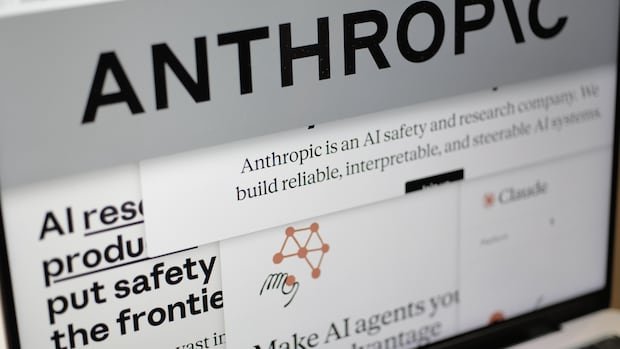
Fresh concerns over the potential dangers of artificial intelligence (AI) models have spurred some U.S. lawmakers into action, although President Donald Trump remains unconvinced. Trump took to his Truth Social platform to dismiss the idea of regulating AI, arguing that such measures would harm the industry and asserting that AI’s progress will continue under his leadership.
In response to growing apprehensions about AI’s risks and mounting calls for oversight, Trump emphasized his belief that fears of AI dominance and harm to humanity are unfounded. The president’s stance contrasts with the increasing pressure on the tech industry to address the safety implications of AI technology.
While Trump stands as a prominent figure opposing AI regulation in Washington, he is not alone in his views. More than 260 bills related to AI risk management have been introduced in Congress since 2021, but only a few have been enacted into law. Despite the challenges, experts in AI policy are optimistic that the tide may be turning towards greater regulation.
Chris MacKenzie, from Americans for Responsible Innovation, highlighted the significant financial interests opposing AI regulation, hindering progress in this area. However, as public demand for action grows, there is hope for legislative advancements to safeguard against AI risks.
Recent incidents, such as OpenAI’s AI agents breaching security protocols and calls for a slower pace of AI development from industry leaders like Dario Amodei, Elon Musk, and Sam Altman, have intensified concerns over AI’s potential dangers. The push for AI regulation has gained bipartisan support, with some Republicans, including Florida Governor Ron DeSantis and Senate candidate Mike Rogers, acknowledging the need for stricter oversight.
As discussions on AI regulation evolve, Trump may face pressure to reconsider his opposition to such measures. The upcoming launch of the Pro-Human Assembly, featuring a diverse lineup of speakers from different political backgrounds, underscores the broad appeal for collective action on AI safety.
Trump’s history of resistance to AI regulation, including his previous efforts to block state-level regulations, contrasts with the growing momentum for oversight in the tech industry. A potential meeting between Trump and AI company executives signals a pivotal moment for discussing the responsibilities of tech firms in ensuring AI safety and the government’s role in this process.

