

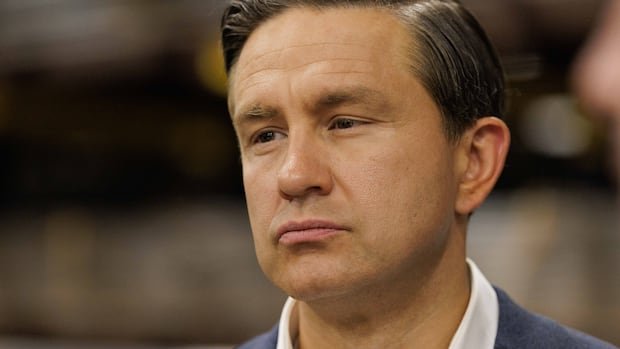
Conservative Leader Pierre Poilievre is urging Prime Minister Mark Carney to convene Parliament for detailed insights into the rejected U.S. trade agreement and the potential impacts on Canadians from his retaliatory measures.
In a letter addressed to Carney, Poilievre stressed the importance of transparency by releasing the deal’s text for public scrutiny, emphasizing the need for Canadians to understand the implications of Carney’s trade and economic strategies, particularly concerning increased costs on essential items like groceries and fuel.
Poilievre also raised concerns about safeguarding jobs in industries such as steel, aluminum, lumber, and auto manufacturing that could be jeopardized by tariffs. Carney halted trade discussions with the U.S. following accusations of restrictive measures that impeded Canada’s trade flexibility, prompting the promise of counter-tariffs in response to the new U.S. tariffs.
Highlighting Parliament’s accountability role, Poilievre emphasized the urgency of addressing the economic ramifications and protecting Canadian interests. He emphasized the Conservatives’ readiness to prioritize national welfare and act promptly in the current economic crisis.
The letter echoes sentiments expressed by Canada-U.S. relations critic Shuvaloy Majumdar, who underscored the lack of clarity surrounding the failed deal’s specifics, calling for transparency without jeopardizing negotiation strategies.
Poilievre criticized Carney for allegedly misleading Canadians about past agreements, emphasizing the public’s right to informed decision-making. The escalating trade tensions resulted in the U.S. imposing 50% tariffs on various Canadian exports, prompting retaliatory measures from Canada, starting on September 8.
Amidst the ongoing trade dispute, U.S. President Donald Trump taunted Canada on social media, reigniting tensions between the two nations. Other opposition parties in Canada, while not demanding full disclosure of the rejected deal, supported the idea of briefing party leaders and MPs on the trade negotiations’ developments.
Carney accused the U.S. of introducing last-minute clauses that hindered Canada’s trade autonomy, including restrictions on cultural and linguistic protections. Despite offers to reduce tariffs on certain goods, Carney highlighted unresolved issues, such as tariffs on specific vehicle types.
The situation remains fluid as both countries navigate the fallout of failed trade negotiations and prepare for potential economic repercussions.

