

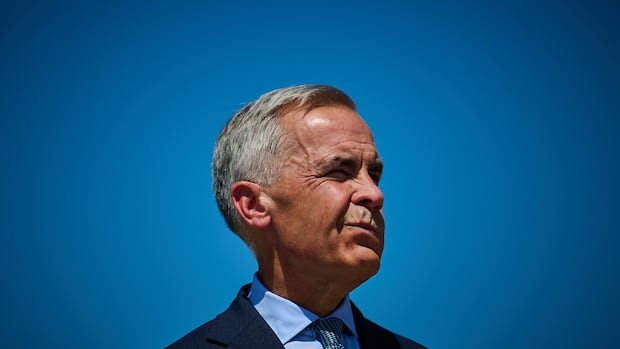
Prime Minister Mark Carney expressed caution and urgency in ongoing discussions with the United States to prevent the imposition of new tariffs scheduled to come into effect this week. Carney intends to engage with his American counterpart within the next 48 hours to reach a mutually acceptable agreement.
Addressing the media in St. John’s, Carney refrained from disclosing the specifics of the negotiations publicly, emphasizing the sensitive and intense nature of the talks. He asserted that the discussions were approached from a position of strength, highlighting the need for discretion during this critical phase.
When asked about potential retaliatory measures if an agreement is not reached, Carney affirmed readiness for all possible outcomes, indicating preparedness for any scenario that may unfold.
Canada’s Trade Minister Dominic LeBlanc and chief trade negotiator Janice Charette have engaged in a series of discussions with U.S. Trade Representative Jamieson Greer over the past three weeks. The negotiations aim not only to avert the proposed Section 338 tariffs but also to reduce existing tariffs on industrial goods like steel, aluminum, automobiles, and lumber in exchange for certain Canadian concessions.
Following these meetings, LeBlanc, Charette, Greer, and U.S. Commerce Secretary Howard Lutnick are scheduled to convene for a crucial ministerial-level discussion. Subsequently, Carney is expected to engage with President Trump to outline the next steps in the negotiations.
The central point of contention in the talks revolves around the scope of benefits Canada can secure from the U.S. in exchange for its concessions. The U.S. is advocating for the reinstatement of American liquor in Canadian stores, removal of Canadian retaliatory tariffs on U.S. automobiles, and adjustments to the dairy sector’s quota allocations. In contrast, Canada is pressing for the abandonment of the impending Section 338 tariffs and substantial relief for sectors heavily impacted by existing U.S. tariffs.
Despite indications from Greer that the U.S. is unwilling to entirely eliminate its tariff structure, negotiations continue with both parties striving to find common ground.
Erin O’Toole, a member of the prime minister’s Canada-U.S. advisory committee, acknowledged progress in discussions with the U.S. and emphasized the necessity of securing fair tariff rates that benefit Canadian workers and the economy. O’Toole warned of potential reciprocal actions by Canada if the U.S. proceeds with the planned 50% tariffs, emphasizing the negative impact of tariff escalations on both economies.
In conclusion, the negotiations remain critical as both countries navigate complex trade issues, striving to reach a mutually beneficial resolution.

