

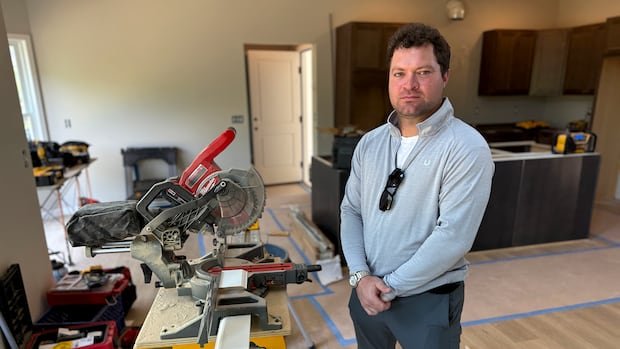
The sound of construction tools like nail guns and buzz saws fills the air in a residential area in Ohio as Joe Koch oversees his carpentry team putting the final touches on a house. Koch, the operations vice president of a long-standing family business, had anticipated several new construction projects in the vicinity. However, the ongoing trade war involving the U.S., Canada, and other nations has disrupted those plans.
According to Koch, potential homeowners are delaying their projects due to uncertainties caused by fluctuating interest rates and tariffs. The trade tensions have not only increased the costs of materials for Koch’s business but have also impacted consumers across Ohio.
To adapt to the trade turmoil, Koch has shifted from purchasing Canadian shingles to sourcing materials locally, showcasing the necessity to be resourceful in challenging times. The unpredictability of the trade war has posed challenges for financial planning and supply chain management, emphasizing the importance of fostering partnerships and making concessions in the business world.
While Youngstown, Ohio, has diversified its economy from its steel roots, it still heavily relies on manufacturing jobs, with over 20,000 positions tied to various sectors. The trade conflict between the U.S. and Canada could potentially affect these industries, representing a significant concern for the local economy.
Amidst the trade uncertainties, residents in Ohio express frustration and anger over the impact of tariffs on their daily lives. The increased prices of goods due to tariffs have raised concerns about the economy’s stability and job security in the region.
As businesses in Ohio navigate the implications of the trade war, differing opinions emerge within the community. While some view the tariffs as beneficial, others perceive them as detrimental. The local chamber of commerce acknowledges the mixed impact of tariffs on businesses, with some entities benefiting while others face challenges.
The trade war’s repercussions extend beyond businesses to individuals like Doug Rende, CEO of Shapes Unlimited, who faces obstacles in expanding his business due to rising costs and logistical issues resulting from tariffs. Rende’s experience reflects the broader economic impact that the trade conflict is having on businesses and consumers in Ohio.
As tensions persist, Ohioans are contemplating the long-term consequences of the trade war and its potential influence on the upcoming elections. The uncertainty surrounding trade policies and their effects on the economy are prompting individuals to reconsider their support for political leaders, highlighting the broader implications of the trade dispute on both personal and business levels.

