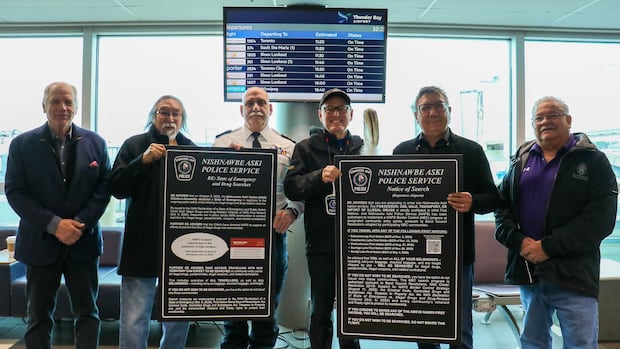
A new pilot program for border control is set to combat the smuggling of alcohol and drugs into five First Nation communities located in northern Ontario.
Initiated by the Nishnawbe Aski Police Service (NAPS) on Monday, this pilot comes as the Nishnawbe Aski Nation (NAN) remains in a state of emergency due to drug trafficking and associated violence. NAN is a political territorial organization that represents 49 First Nations across Treaties 9 and 5.
Chief Solomon Atlookan of Eabametoong First Nation, one of the communities involved, noted that individuals from the Greater Toronto Area (GTA) have been devising innovative methods to smuggle drugs into the isolated Ojibway community in northwestern Ontario.
In certain instances, drugs are flown in via float planes along the river, while during winter, trucks utilize the winter road for transportation. He further mentioned that traffickers often hide drugs on their bodies at the airport, where security measures are minimal.
“Strangers come into the community, befriend our members, and that’s how the drugs are delivered,” Atlookan explained.
The other First Nations participating in the pilot include:
- Kasabonika Lake.
- Kashechewan.
- Sachigo Lake.
- Sandy Lake.
NAPS, recognized as the largest Indigenous police force in Canada, has enlisted special constables from the respective communities to perform searches on all individuals entering these five First Nations, adhering to guidelines established by each community’s Band Council Resolutions.
The idea originated in August 2022, when NAN chiefs directed NAPS to formulate a dedicated search initiative aimed at stopping illegal drugs from infiltrating NAN communities.
“Our resources are very limited, and we do our best to try to stop the influx of drugs,” Atlookan stated. “We have seen young people dying unnecessarily because of this, along with families, particularly the young children, suffering immensely.”
Signage has been placed at airlines servicing the five communities to alert travellers about possible searches.
“This initiative is effective because it’s created by the communities, for the communities — our chiefs mandated it in 2022, understanding the challenges their communities face. However, border control should not merely be a pilot project; it should be the norm. Every First Nation in NAN deserves this level of protection,” asserted NAN Grand Chief Alvin Fiddler in a statement released on Monday.
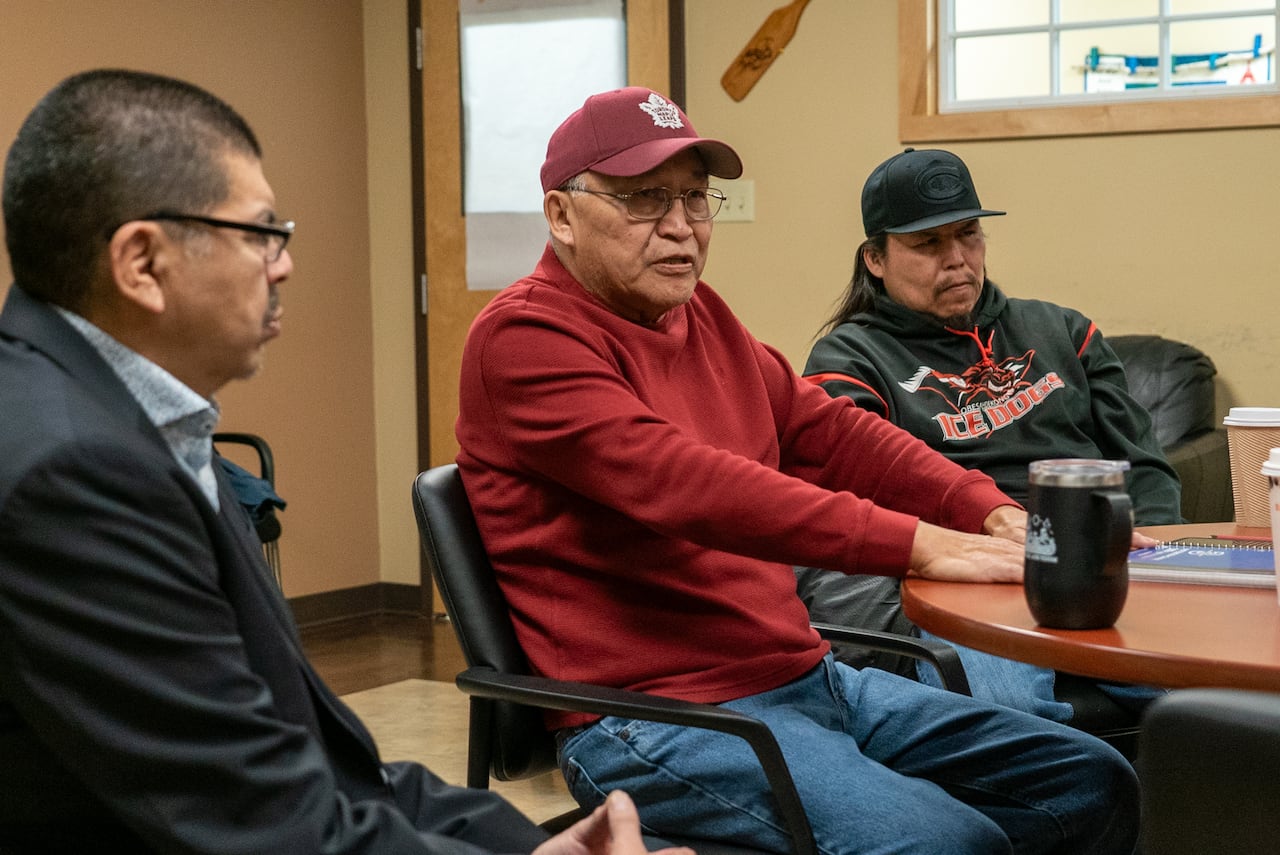
Eabametoong First Nation Chief Solomon Atlookan, centre, states that addiction has greatly impacted his community members. (Marc Doucette/CBC)
For Atlookan, while the program is a significant initial step, he also seeks to enhance addiction support within his First Nation.
“Currently, we only have the nursing station,” he remarked regarding available services. “We do have a detox center in the community, but it’s not functioning as effectively as it should.”
‘They know their communities’
In other areas of northern Ontario, First Nations such as Long Lake #58 and their neighbor Ginoogaming — both situated along Highway 11 — have reported similar challenges with an increase in drug traffickers from the GTA.
The shooting death of an individual in Ginoogaming First Nation in October 2025 led NAN chiefs to declare a state of emergency concerning the influx of illegal drugs and related fatalities in northern communities.
Following this, Long Lake #58 and Ginoogaming have engaged an Indigenous-run security firm to establish checkpoints within their communities.
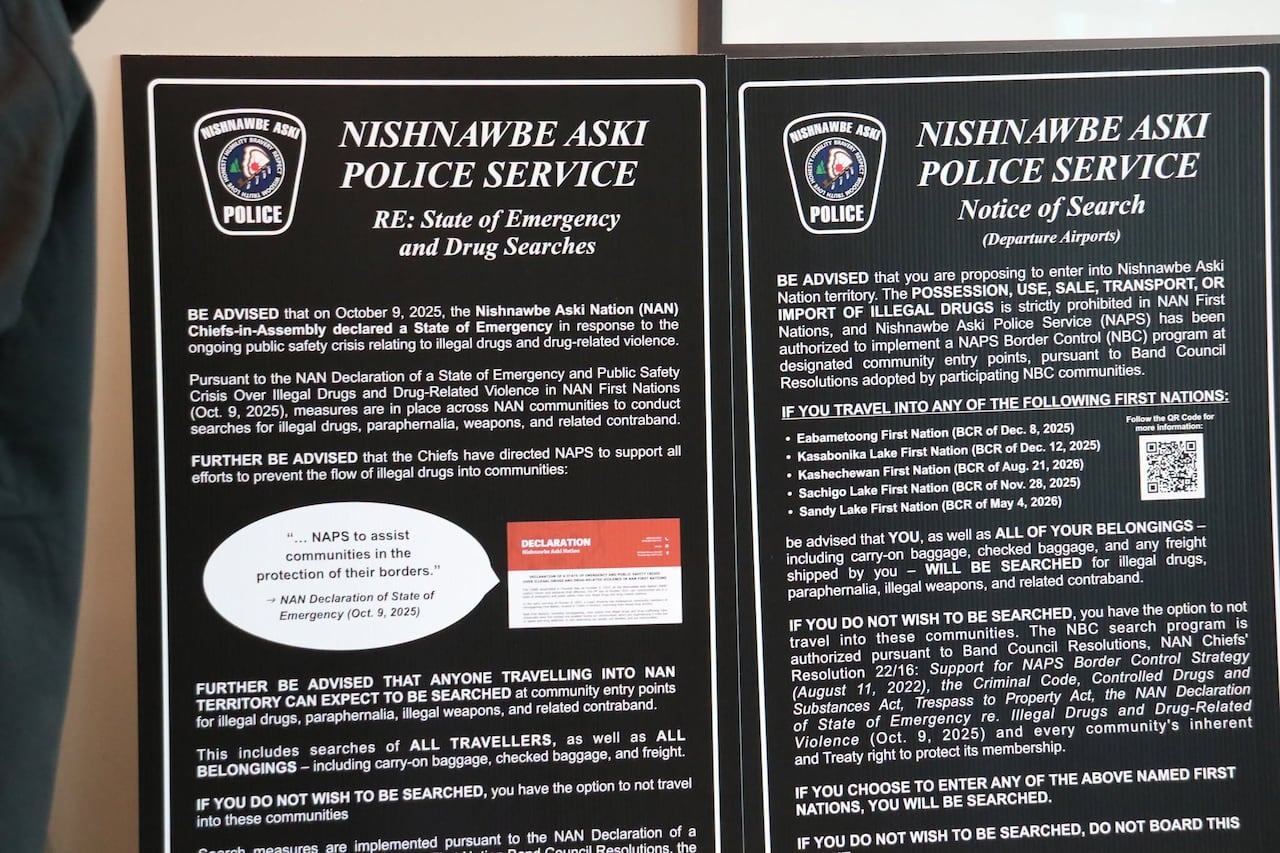
Signage at airlines servicing Nishnawbe Aski Nation (NAN) communities informs travellers of potential searches at entry points for illegal drugs, paraphernalia, illegal weapons, and other contraband. (Nishnawbe Aski Nation/Facebook)
Chief Matthias Anderson of Kasabonika Lake First Nation, a secluded Oji-Cree community, expressed concern over reports of rising gun violence in First Nations along the highway.
Although his community has not experienced any drug-related shootings, he fears what might transpire if illegal activities continue to grow.
He mentioned that over a dozen individuals from the GTA have been expelled from Kasabonika Lake since he took office as deputy chief last year.
“Most of the individuals I expelled appear to be from the Toronto area.”
-
THE FIFTH ESTATE
‘You can’t just get out’: How 2 boys were recruited into the drug trade at the age of 12
-
First Nation in northwestern Ontario says it has spent $1.6M on private security to fight drug trafficking
Since taking on the role of chief in February, Anderson has prioritized addressing the toxic drug crisis.
“The pilot program was initiated just when we needed it. We are looking to enhance the prevention of outsiders entering our community.”
-
These First Nations in northern Ontario have hired security to deal with drug traffickers
-
Pair of First Nations in northwestern Ontario declare joint state of emergency over drug trafficking
It is crucial for the special constables managing the border control initiative to hail from the First Nation, he added, as this fosters trust with local residents.
This viewpoint is echoed by NAPS board chair Frank McKay.
“They are familiar with their communities and its members and have a personal stake in ensuring safety and security. They aspire to see a brighter future for their communities and are dedicated to contributing to that positive transformation,” McKay stated in the news release on Monday.
As NAN advocates for the permanence of the pilot program, Anderson expressed his hope that it will be expanded to additional First Nations in the area.