
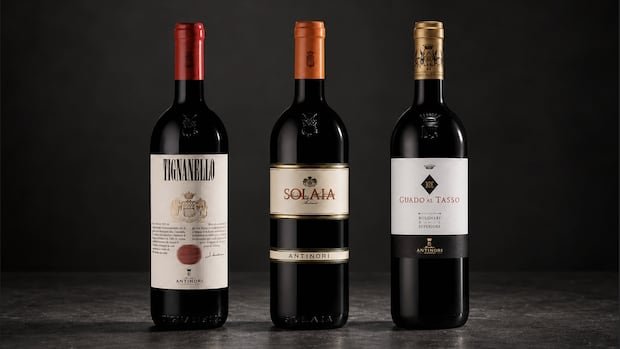
Thieves have recently targeted valuable items, starting with cheese, then moving on to olive oil and butter. The latest target is high-quality wine, with a winery in Tuscany reporting the theft of approximately 30,000 bottles of prized Italian wines, valued at around five million euros. This heist is considered the largest wine theft in Italy’s history.
Renzo Cotarella, the CEO of Italy’s largest family-run winemaker, Marchesi Antinori, stated that such a significant theft had never occurred in Italy before. This incident is just one in a series of recent wine thefts in Italy, including a theft of 3,000 bottles of Barolo in Piedmont and another of 3,000 bottles of sparkling wine from Banfi winery in Montalcino.
Wine thefts are not limited to Italy, with notable incidents globally, such as the theft of 800 bottles from a California wine shop, rare wine stolen from a Michelin-starred restaurant in Spain, and white wine grapes stolen from a Quebec vineyard.
Rod Phillips, a history professor specializing in alcohol history, mentioned that there is a growing trend of heists and large-scale thefts due to the significant value of fine wine on the black market. Natalie MacLean, a wine expert, highlighted the enduring value of wine, as it does not spoil and can be stored for years before being sold.
The recent theft at Marchesi Antinori’s facility near Cortona was meticulously planned, with thieves disabling alarms and using the winery’s forklifts to load two trucks with wine. The stolen bottles were all from the sought-after 2023 vintage, including 10,000 bottles of Solaia, one of the winery’s flagship wines.
The theft of the wine, which was discovered on October 5 but made public on October 9, deeply affected the winery staff. The stolen wine, with a retail price ranging from 150 to 500 euros per bottle, represents a significant loss for the winery.
Recent heists involving food and beverages, such as the theft of olive oil, beer, and organic eggs, have been linked to rising food prices. These incidents indicate a shift from traditional fraud-related crimes to more daring thefts in the food and beverage industry.
The prevalence of such heists underscores the need for heightened security measures to protect valuable products from being targeted by criminals.

