

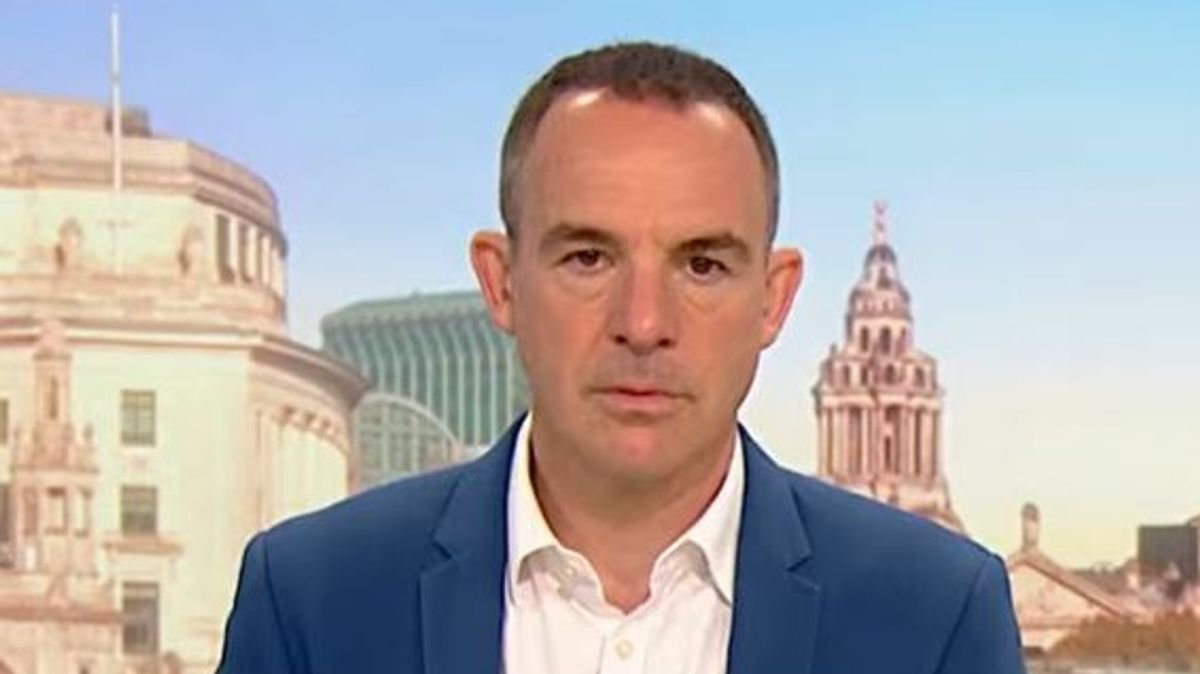
Martin Lewis has noted a decrease in energy prices as a result of the recent agreement between the US and Iran. The financial expert expressed optimism earlier this week, foreseeing a drop in prices that would bring relief to financially burdened British households.
The agreement between the US and Iran, aimed at ending hostilities and reopening the vital Strait of Hormuz, has led to a decline in oil and natural gas costs. This has translated into lower energy prices, with Brent crude falling by around $7 per barrel and UK natural gas dropping by approximately 14%.
According to Mr. Lewis, fixed energy deals are now available at prices around 5% lower than before. He highlighted the trend, stating that energy fixes have started becoming more affordable, now below the April price cap.
Despite these positive developments, Mr. Lewis cautioned that a substantial reduction in the upcoming price cap for October to December should not be expected. The energy regulator Ofgem is set to announce the next price cap on August 26, affecting about 60% of households in England, Scotland, and Wales on standard variable tariffs.
The current energy price cap is scheduled to increase by 13% on July 1, raising annual charges for a typical energy consumer paying by direct debit to £1,862. Mr. Lewis warned that this increase could go even higher, despite the recent decrease in prices due to the US and Iran agreement.
He explained that the framework deal between the US and Iran has pushed natural gas prices down, impacting UK gas and electricity bills. While wholesale prices have declined, Mr. Lewis suggested that further reductions are needed before prices return to pre-conflict levels.
Looking ahead, Mr. Lewis mentioned the possibility of slightly cheaper fixed tariffs being introduced soon. However, he emphasized that without significant additional drops, the October price cap is likely to remain considerably higher than the current levels. When questioned about the expected increase in the price cap, he attributed it to the time lag effect, indicating that price adjustments are slow to rise and fall in response to market changes.

