

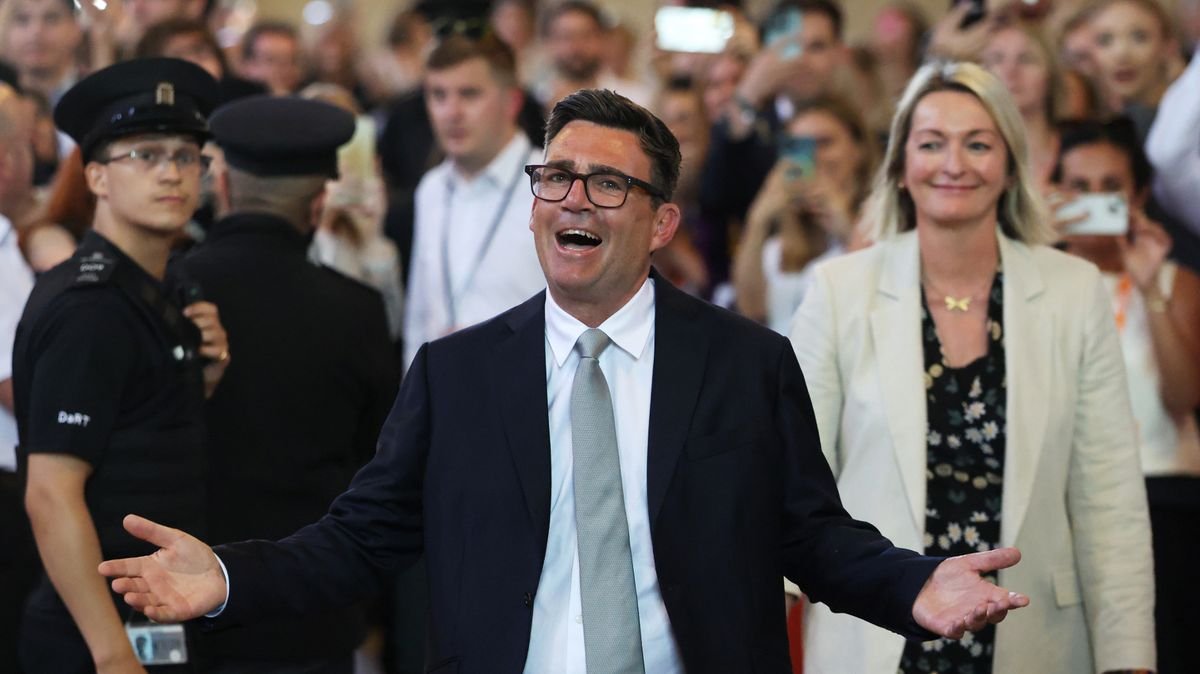
Andy Burnham is poised to become the Prime Minister in a matter of weeks following Keir Starmer’s decision to step down. The Makerfield MP made a triumphant return to Parliament after winning significant by-elections. Wes Streeting, a contender for leadership, has thrown his support behind Burnham, recognizing the growing momentum in favor of the Greater Manchester mayor.
With no other contenders in sight, Burnham could assume office in mid-July without the need for a formal Labour leadership contest. Some Labour MPs are urging Burnham to outline his government plans before taking on the top role.
Advocating for social care reform, Burnham’s commitment to this cause dates back to his tenure as a health minister. He has proposed bold initiatives such as advancing the publication of the Casey review on social care to 2026, aiming to expedite necessary changes in the system.
Emphasizing his vision for increased council house construction, Burnham aims to redirect funds to prioritize social rent homes, envisioning the largest council house building program since World War II. He also advocates for innovative tax reforms, including replacing inheritance tax with a national care levy.
On the immigration front, Burnham is expected to maintain the government’s proposed measures, emphasizing the need for a compassionate but firm approach to asylum seekers and immigration policies.
Regarding economic policies, Burnham pledges to uphold Labour’s manifesto commitments on taxation while exploring targeted tax adjustments, particularly for small businesses. He also advocates for wealth taxes on landlords and corporate entities to ensure a fair and equitable fiscal system.
Burnham’s Manchesterism model, focused on decentralizing power and fostering local control, could potentially shape his national governance approach. This model has been instrumental in driving growth and innovation in Greater Manchester under his leadership.
With a strong stance on public ownership, Burnham supports nationalizing essential services like water companies. He envisions a more integrated transport network, inspired by the success of the Bee Network in Manchester, which could be replicated on a national scale under his leadership.
Burnham’s commitment to social justice issues, like advocating for the Hillsborough Law, underscores his dedication to championing the rights of individuals and holding public entities accountable.
As Burnham prepares for potential foreign policy challenges, including conflicts in Gaza and Iran, his measured approach to Brexit and commitment to respecting democratic decisions signal a pragmatic stance on international relations.
Overall, Burnham’s platform reflects a blend of progressive policies, fiscal responsibility, and a vision for inclusive governance that prioritizes local empowerment and social welfare. His leadership could usher in a new era of political and economic reforms in the UK.

