

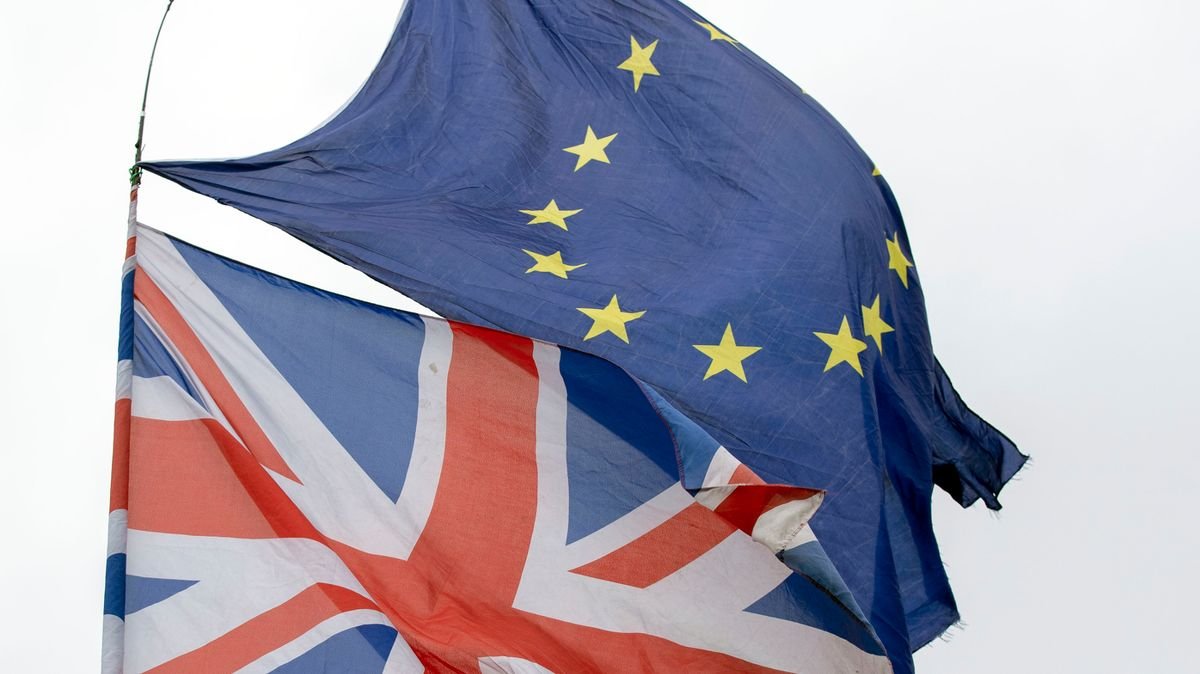
On the tenth anniversary of the UK’s decision to exit the EU on June 23, the aftermath of the 52:48 referendum outcome showcased a nation deeply divided on fundamental issues. Initially just an abstract concept, Brexit has now materialized into a harsh reality impacting daily life.
The pivotal vote presented voters with contrasting visions for the future of the UK, with promises of economic prosperity and autonomy outside the EU by figures like Nigel Farage of Reform UK. However, a decade later, the tangible consequences of Brexit have become apparent, marking a significant economic downturn.
The repercussions include an 8% decrease in overall wealth, a 10% devaluation of the pound, and a substantial rise in living costs. The financial strain is felt most acutely by vulnerable populations, with families struggling to afford basic necessities and facing job losses due to economic instability.
Moreover, Brexit has led to significant revenue losses, hindering investments in critical infrastructure, healthcare, education, and national defense. Public sentiment has shifted over the years, with a majority viewing Brexit as a failure primarily due to its detrimental impact on the economy.
Recent polls indicate a growing preference for rejoining the EU among the public, emphasizing a stark contrast to the diminishing support for the current Brexit reality. As the nation approaches the referendum’s tenth anniversary, the choice between perpetuating decline or embracing a more ambitious future lies ahead, signaling a critical juncture for the country’s trajectory.