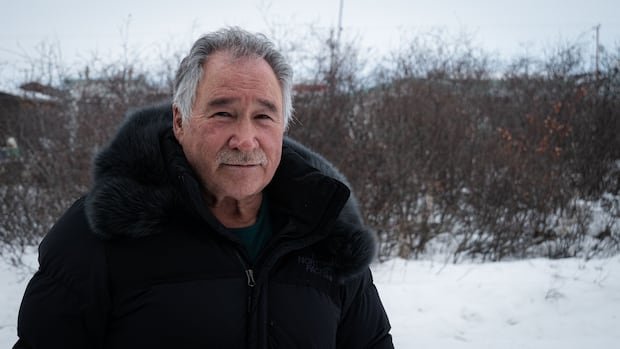
William Tagoona expresses feelings of exclusion from both provincial and federal elections, including Quebec’s 2026 campaign. As the head of the Avataq Cultural Institute in Nunavik, responsible for cultural and heritage programs, Tagoona believes his vote holds little weight. He attributes this sentiment to the absence of candidates physically visiting communities in his Ungava riding.
Ahead of Quebec’s provincial election, Indigenous leaders and chiefs voice concerns that issues affecting their communities are not receiving adequate attention on the campaign trail. While some political parties have acknowledged intentions to prioritize partnerships and adopt nation-to-nation approaches with First Nations and Inuit, concrete action plans are reportedly lacking.
A gathering of Innu, Wendat, Atikamekw, and Anishinabeg leaders outside Quebec City’s National Assembly highlighted missed opportunities for collaboration with First Nations during the campaign. Emphasizing the importance of building relationships with Indigenous communities, Francis Verreault-Paul, chief of the Assembly of First Nations Quebec-Labrador, underscored the need for specific commitments and implementation strategies from political parties.
Leaders also raised concerns about the economic development and natural resources sectors, questioning the consideration given to the development of small and medium Indigenous enterprises. Marjolaine Étienne, president of Quebec Native Women, criticized the lack of progress following the death of Joyce Echaquan in 2020, stating it reflects a significant lack of respect towards Indigenous women and communities in Quebec.
During the final leaders’ debate, there was no discussion of Indigenous community issues. However, some parties, such as the Conservative Party of Quebec and Québec Solidaire, have made commitments to Indigenous communities. The latter expressed intentions to adopt the United Nations Declaration on the Rights of Indigenous Peoples (UNDRIP) and involve First Nations and Inuit in Quebec’s independence process.
Calls for increased collaboration, respect, and recognition of Indigenous communities’ realities were echoed by various chiefs and leaders in Quebec. Lucien Wabanonik, chief of the Lac-Simon Anishinaabe Nation, emphasized the need for openness and respect from the government towards Indigenous communities. Dr. Stanley Vollant, an Innu surgeon, expressed disappointment at the perceived lack of recognition and benefit-sharing for Indigenous communities within Quebec.
Despite some disillusionment among Indigenous voters, there remains optimism that engaging in the election process could bring about positive change. Dr. Vollant acknowledged the importance of voting as a means to influence change and address the concerns of Indigenous communities in Quebec.