
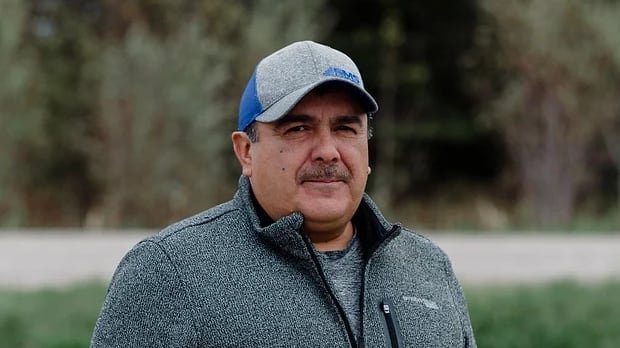
A Cree leader in Ontario has accused the government of impeding his community’s attempt to regain control over child welfare by setting financial conditions for any transfer of authority. Chief Bruce Archibald of Taykwa Tagamou Nation expressed his concerns to CBC Indigenous, feeling worried, overlooked, and disheartened by the situation.
According to Archibald, the government is not allowing them self-determination but instead enforcing traditional colonial practices that have not benefitted their people in the past. His apprehensions stem from a recent communication from Indigenous Services Canada on August 6, detailing changes in funding procedures for First Nations seeking self-governance in child and family services under federal legislation C-92.
The law, enacted during the Trudeau administration, grants First Nations the power to assert jurisdiction over child welfare by enacting laws that supersede both federal and provincial mandates. However, communities must engage in a “co-ordination agreement” to receive funding for implementing their laws. Since the law’s inception in 2019, sixteen such agreements have been signed, as per ISC records.
Following two years of negotiations, Archibald was informed in the latest letter from ISC that funding for on-reserve services will align with Canada’s broader child welfare reforms, which Taykwa Tagamou Nation has not endorsed. The financial approach outlined in the letter will influence fiscal discussions during co-ordination agreement talks.
In response, Chief Archibald penned a six-page open letter to Indigenous Services Minister Mandy Gull-Masty, posing ten detailed questions and highlighting concerns that could impact all Indigenous governments invoking C-92. He emphasized the importance of sustainable funding tailored to each community’s service model and children’s needs, criticizing the imposition of Canada’s predetermined program constraints.
Another chief from Alberta, Kelsey Jacko of Cold Lake First Nations, echoed these worries in a separate open letter to the minister. Jacko raised concerns about Canada’s intentions to dictate the design of First Nations laws, casting doubt on the reconciliation process.
Children’s rights advocate Cindy Blackstock supported the chiefs’ stance, warning that Canada’s current actions risk undermining the promise of jurisdiction by maintaining control over funds while shifting responsibility. Blackstock, the executive director of the First Nations Child and Family Caring Society, highlighted the ongoing struggle to end racial discrimination in on-reserve child welfare funding.
Despite past legal battles resulting in significant settlements and reform proposals, the future of the welfare program’s expansion beyond Ontario remains uncertain due to ongoing litigation. Blackstock emphasized that decisions made without proper oversight on funding allocation can harm children and lead to increased costs for taxpayers.
As of now, no comment has been provided by Minister Gull-Masty’s office. The department’s stance remains focused on empowering Indigenous communities to decide on their children’s well-being. However, Chief Archibald remains skeptical, citing his community’s lack of support for the Ontario reforms that may now impact their agreement.

