
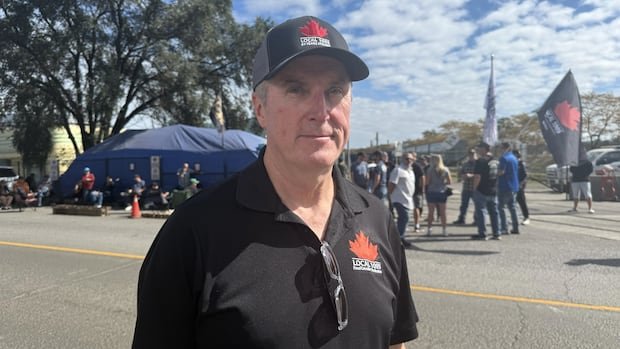
Stelco’s labor union head in Hamilton expresses backing for a potential federal government acquisition of the steel manufacturer amidst ongoing layoffs that are anticipated to result in the loss of numerous positions. Ron Wells, the leader of United Steelworkers Local 1005 representing Stelco’s Hamilton workforce, emphasizes their longstanding advocacy for federal ownership of the steel company, currently under the ownership of U.S.-based Cleveland-Cliffs.
Wells conveyed their support for this course of action dating back to 2014 when Stelco underwent a period of creditor protection, a stance that he claims went unheard. He underscores the complexities and time involved in such a transition but stresses the urgency of reinstating the affected workers. The recent calls by the federal and Ontario NDP parties for the nationalization of Stelco echo similar moves made in the United Kingdom this year to bring two steel firms under public ownership.
Amidst the unfolding situation, the federal government is exploring legal avenues against Cleveland-Cliffs, accusing the company of violating its commitment to maintaining the workforce levels upon acquiring Stelco in 2024. Cleveland-Cliffs’ CEO defends the layoffs as temporary measures pending a trade agreement between Canada and the U.S., expressing support for U.S. tariffs on foreign steel.
Legal expert Nicolas Lamp from Queen’s University suggests that Canada’s assumption of control over Stelco could serve the national interest. The sentiments are shared by laid-off workers like Chelsey Mastej, who received notice of her layoff and expressed surprise and concern over the selection criteria for retention versus layoffs.
As the affected employees brace for uncertain times, the community is rallying behind them with support services and advocacy efforts. Local 1005, under Wells’ leadership, is organizing public demonstrations to challenge Cleveland-Cliffs to honor its staffing commitments and pressuring the government to fortify trade regulations to safeguard against cheap steel imports.
The push for government intervention and industry reforms intensifies as stakeholders mobilize to address the multifaceted challenges facing the steel sector, including the impact of international trade dynamics on domestic production and employment stability.

