
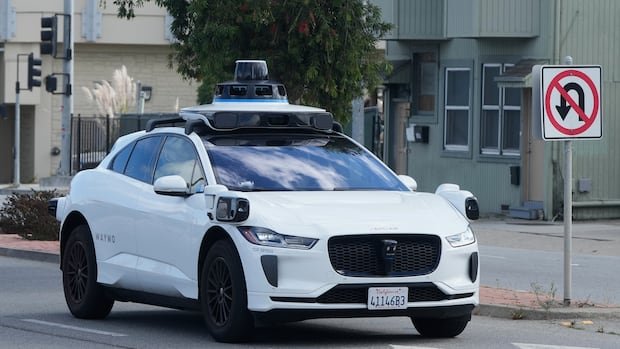
Autonomous ride-hailing pioneer Waymo is set to launch its driverless taxi service in Toronto by 2028, marking its official entry into the Canadian market, the company announced. The rollout will begin with initial testing phases, with Waymo vehicles soon becoming a familiar sight on Toronto streets.
Waymo, a subsidiary of Google’s parent company Alphabet, will implement a meticulous and safety-focused approach in Toronto, starting with mapping local street networks and conducting trials with trained specialists onboard. Co-CEO Tekedra Mawakana expressed enthusiasm about collaborating with local businesses and communities to enhance street safety and promote accessible mobility.
The company’s fleet of all-electric Jaguar I-PACE vehicles is already operational in ten major U.S. metropolitan areas, functioning similarly to popular ride-hailing services like Uber or Lyft but without human drivers.
Waymo’s service has received approval to participate in Ontario’s automated vehicle pilot program, which has transitioned from requiring a driver in the vehicle to allowing driverless operation under specific conditions. This shift reflects the evolving landscape of autonomous vehicle regulation in the province.
Mayor Olivia Chow emphasized the paramount importance of ensuring the safety and high standards of autonomous vehicles in Toronto, highlighting that the provincial legislation governs the approval process for these innovative transportation solutions.
While some residents expressed skepticism or curiosity about the arrival of Waymo in Toronto, industry experts like Flavio Volpe, president of the Automotive Parts Manufacturers Association, emphasized the proven safety record of self-driving technology compared to human-driven vehicles. This sentiment is supported by research indicating the consistent safety performance of autonomous vehicles.
As Waymo prepares to launch in Canada, it has partnered with Toronto-based company Element Fleet Management to provide essential maintenance, customer service, and operational support. This collaboration underscores the integration of autonomous technology into existing urban mobility frameworks.
The potential impact on traditional taxi and ride-share drivers is a topic of concern, with city officials emphasizing the need to safeguard employment opportunities and support workers during the transition to autonomous vehicles. Despite varying opinions among residents, the consensus suggests that embracing autonomous technology early will facilitate smoother adaptation to future transportation trends.
In conclusion, Waymo’s expansion into the Canadian market signifies a significant milestone in the evolution of autonomous mobility, paving the way for innovative transportation solutions in Toronto and beyond.

